
Last updated September 10, 2026
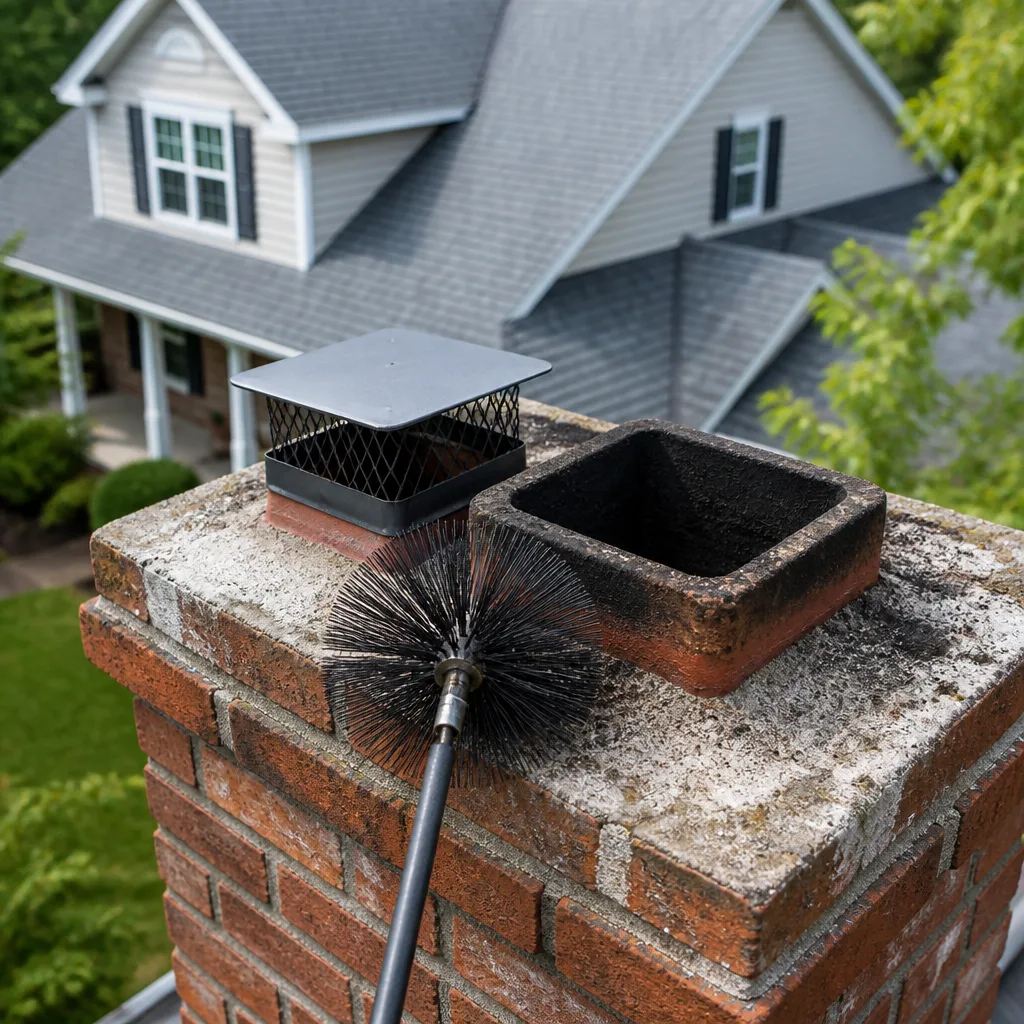
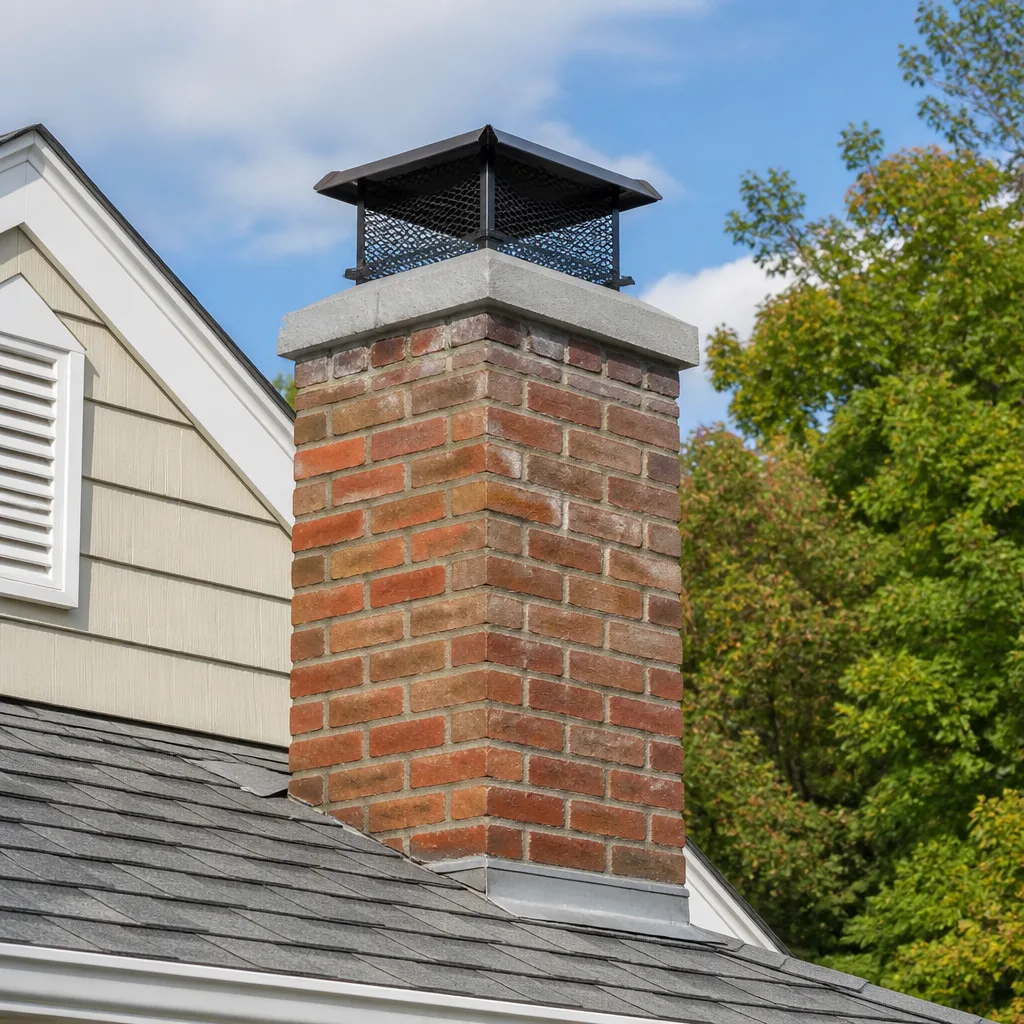
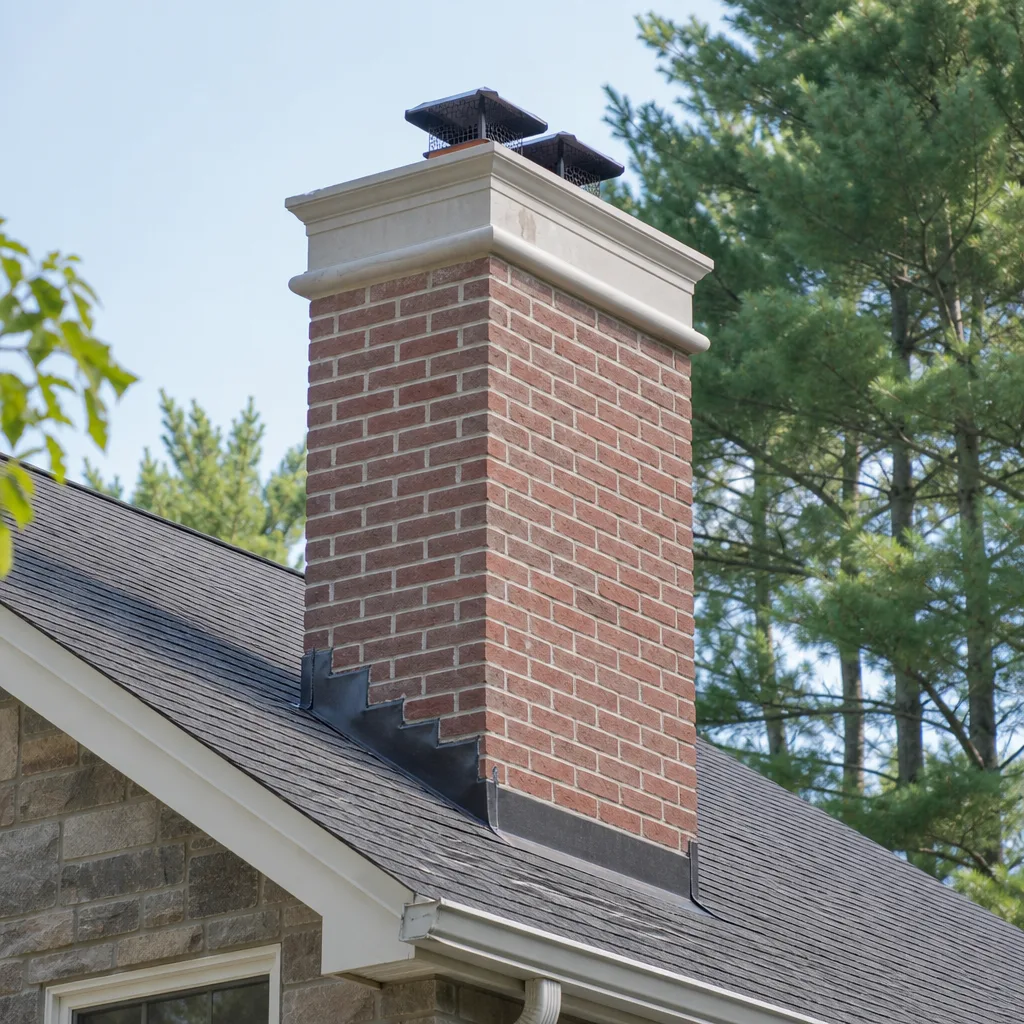
Level 1 sweep and inspection to the NFPA 211 annual standard - flue, crown, cap, and flashing checked and photographed
Chimney sweep logs do not sweep chimneys. They loosen some creosote - which then falls where a brush and vacuum still have to collect it.
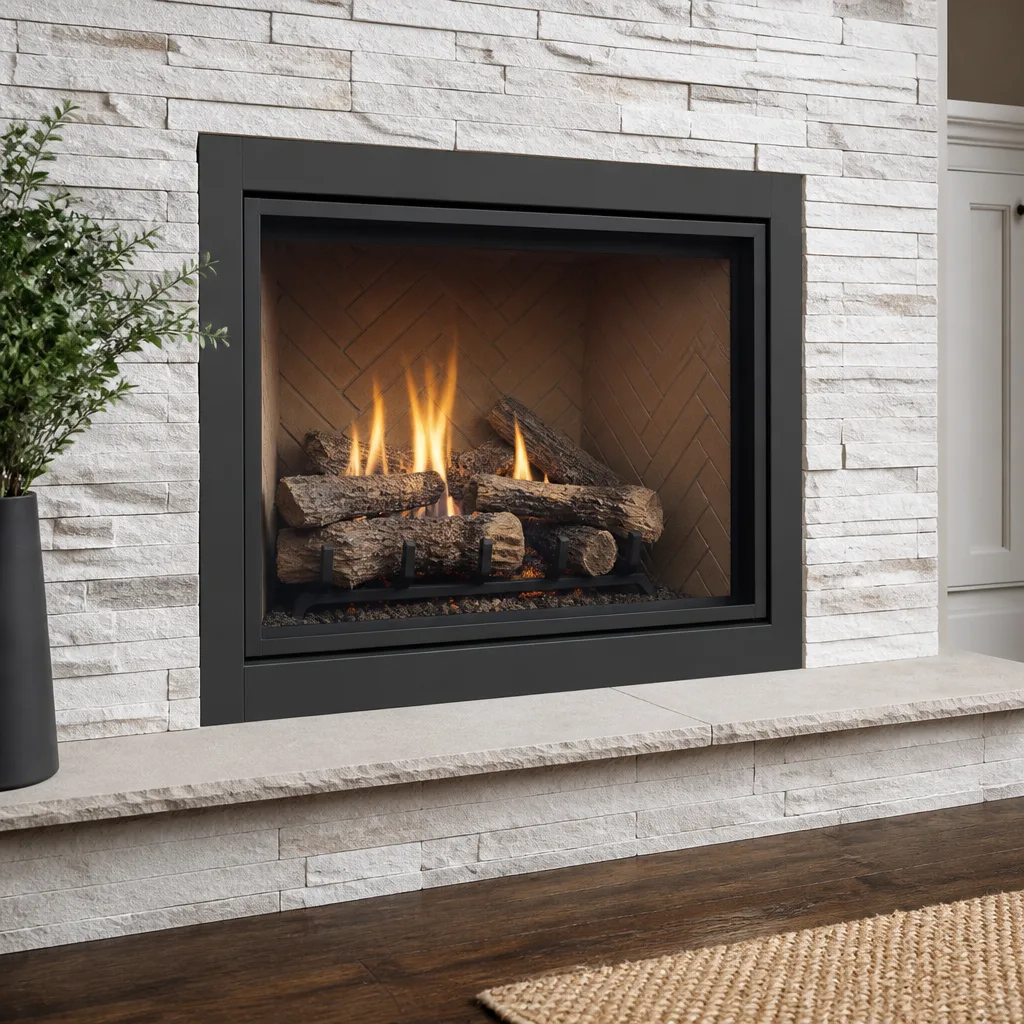
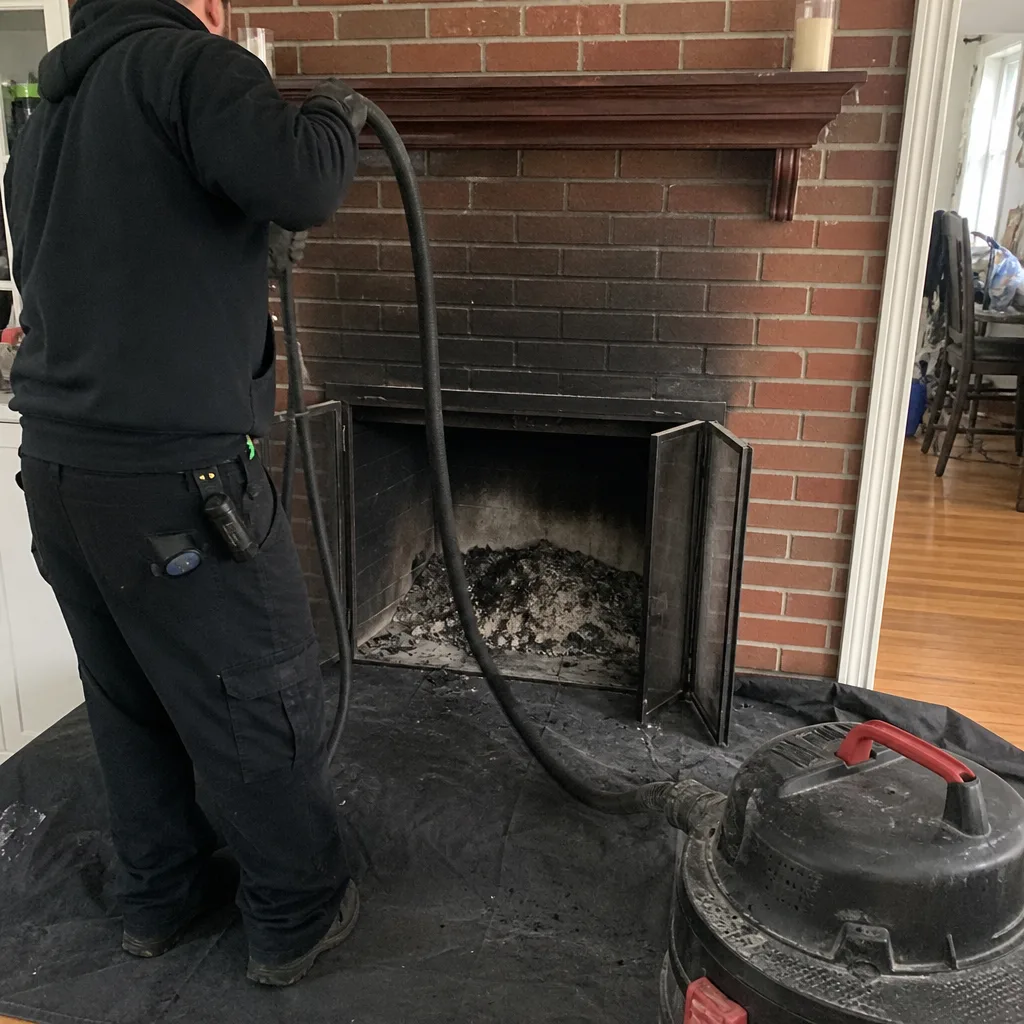 Before
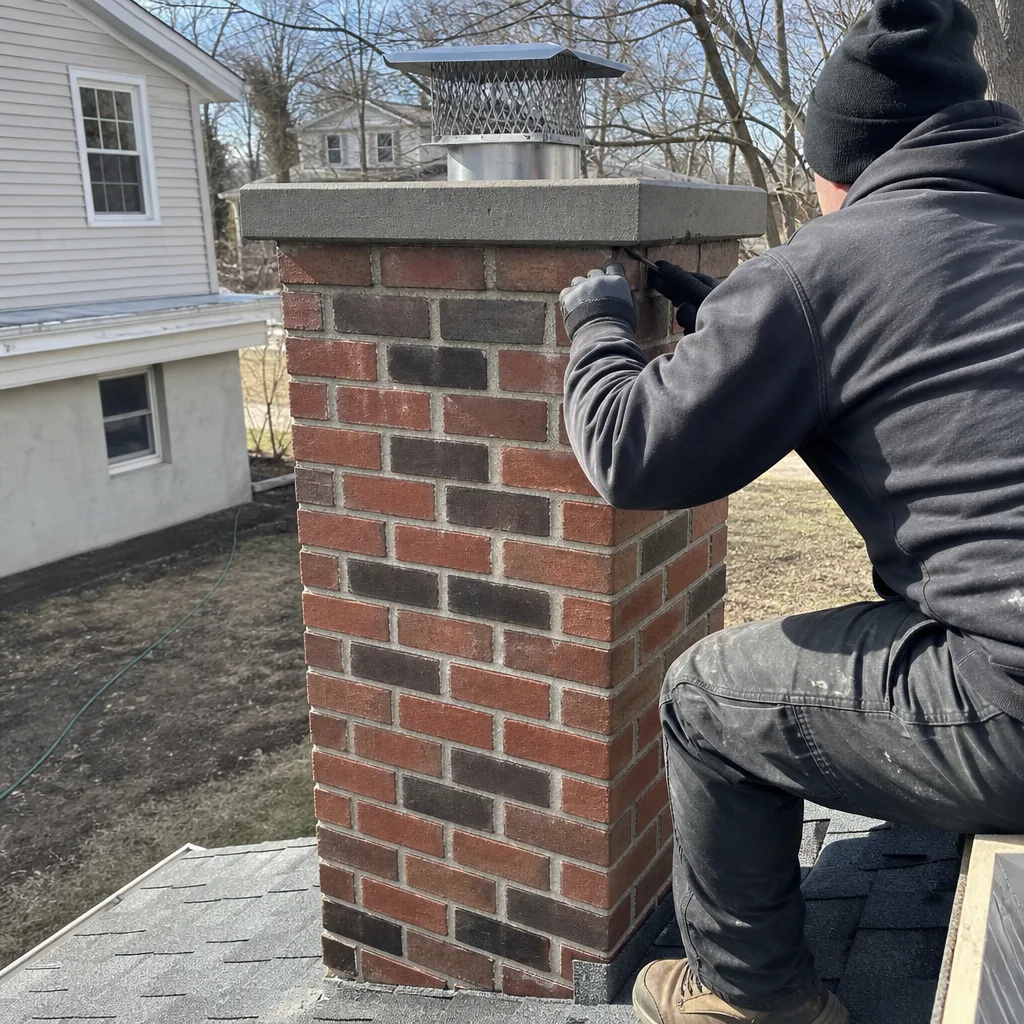 After
After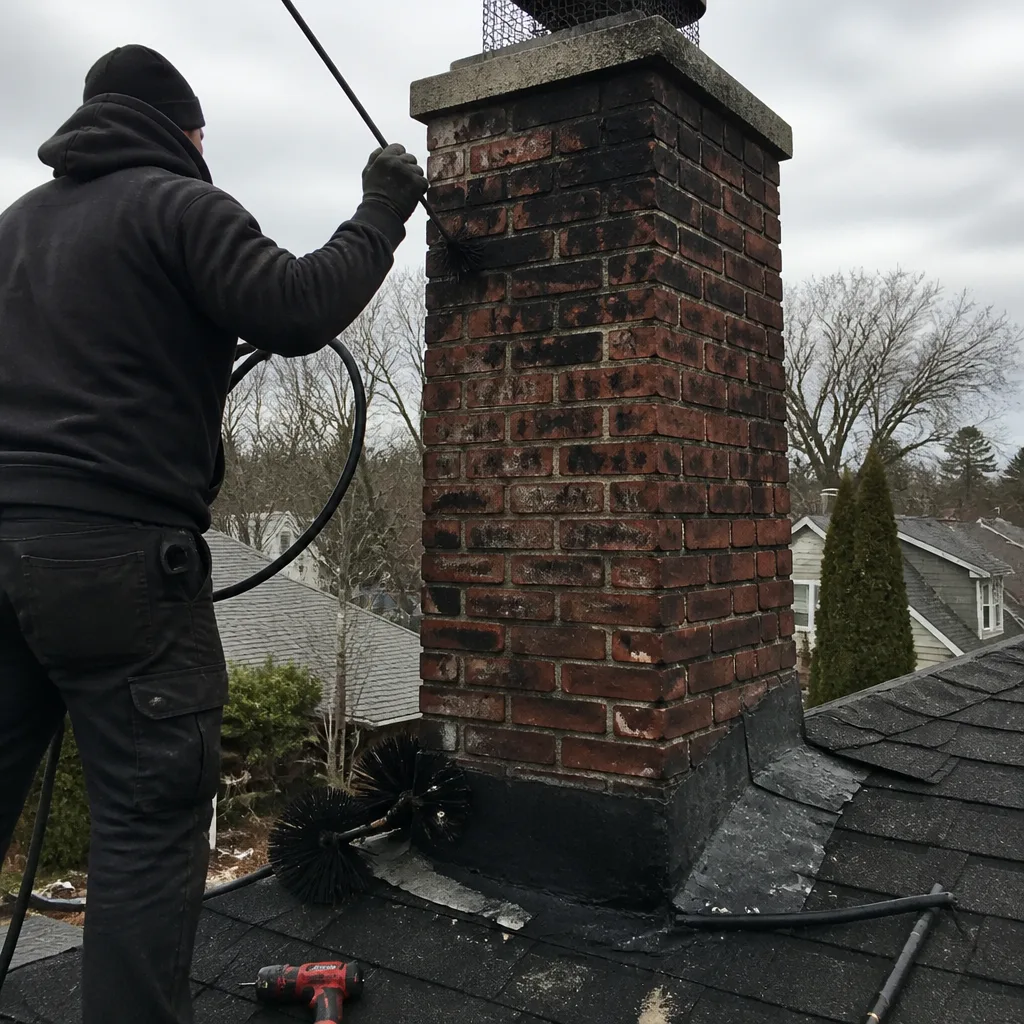 Before
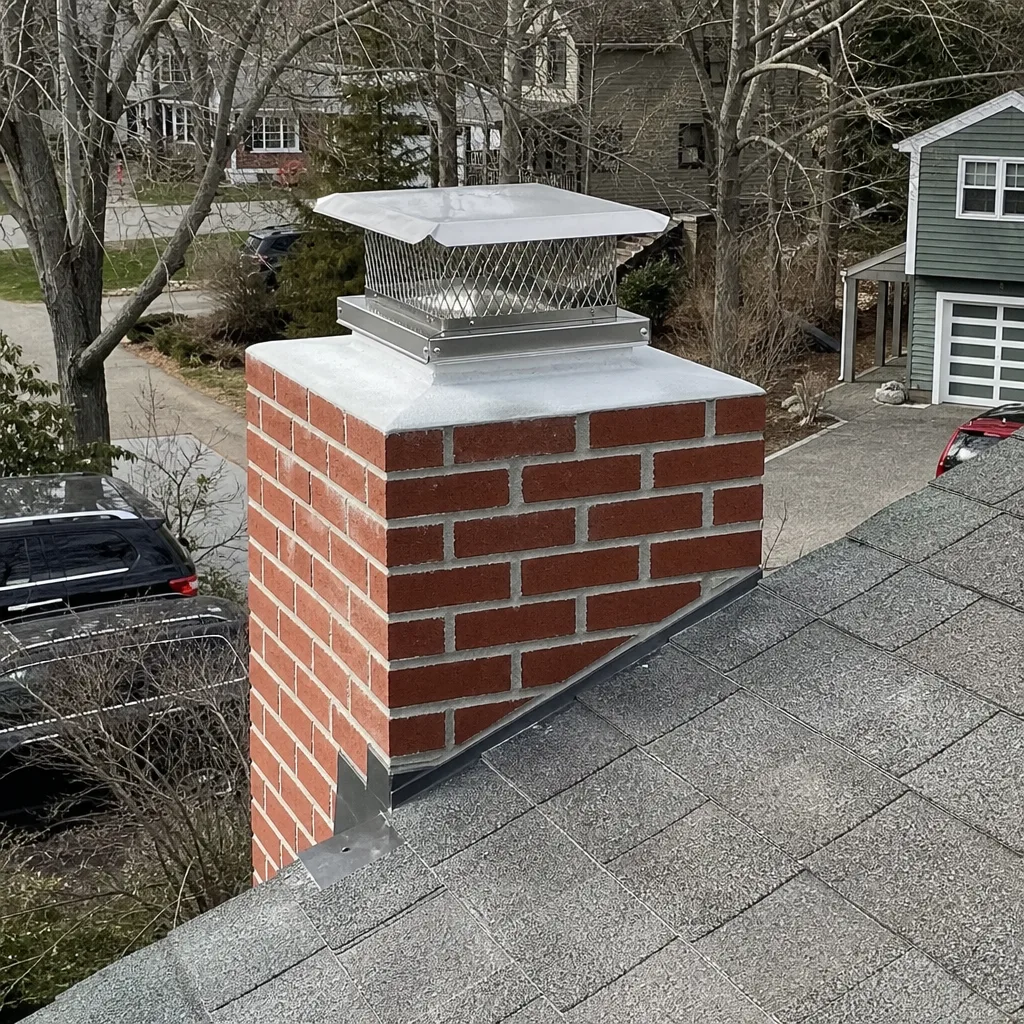 After
After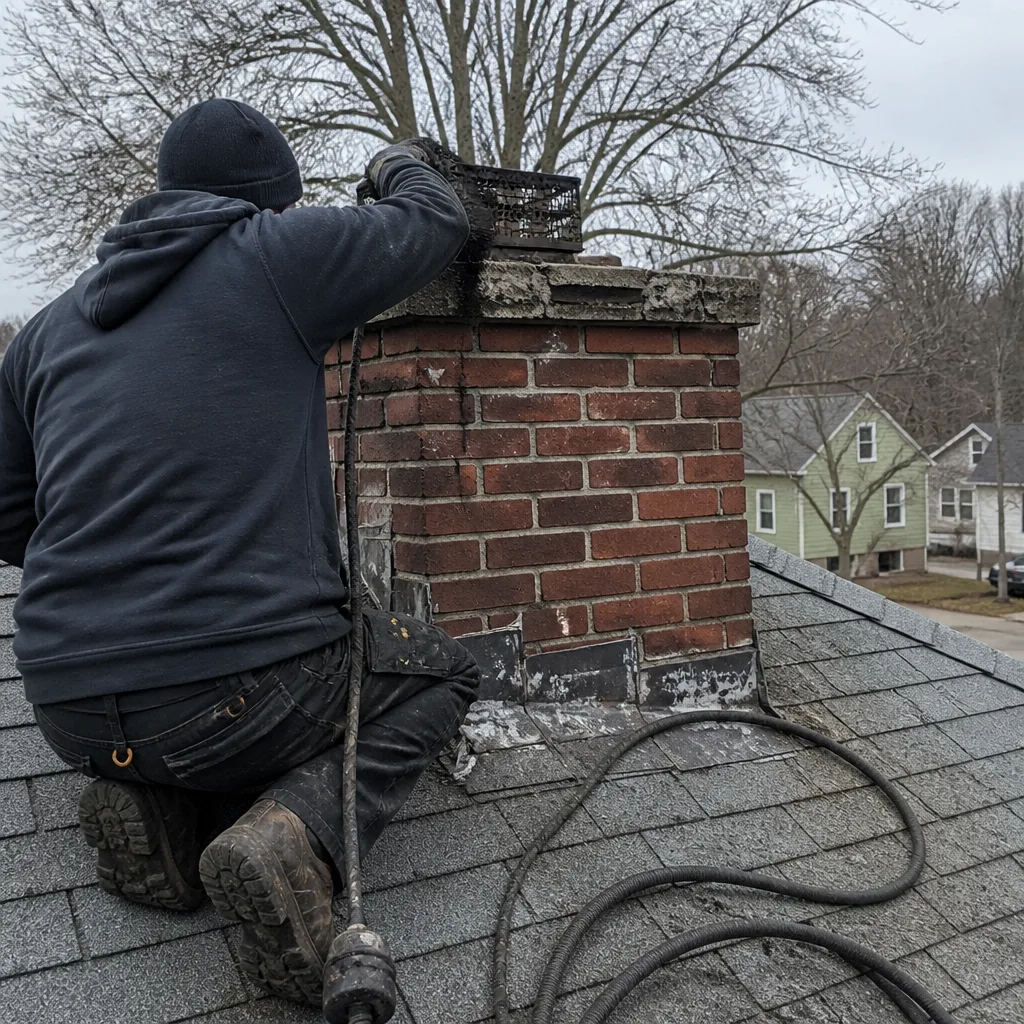 Before
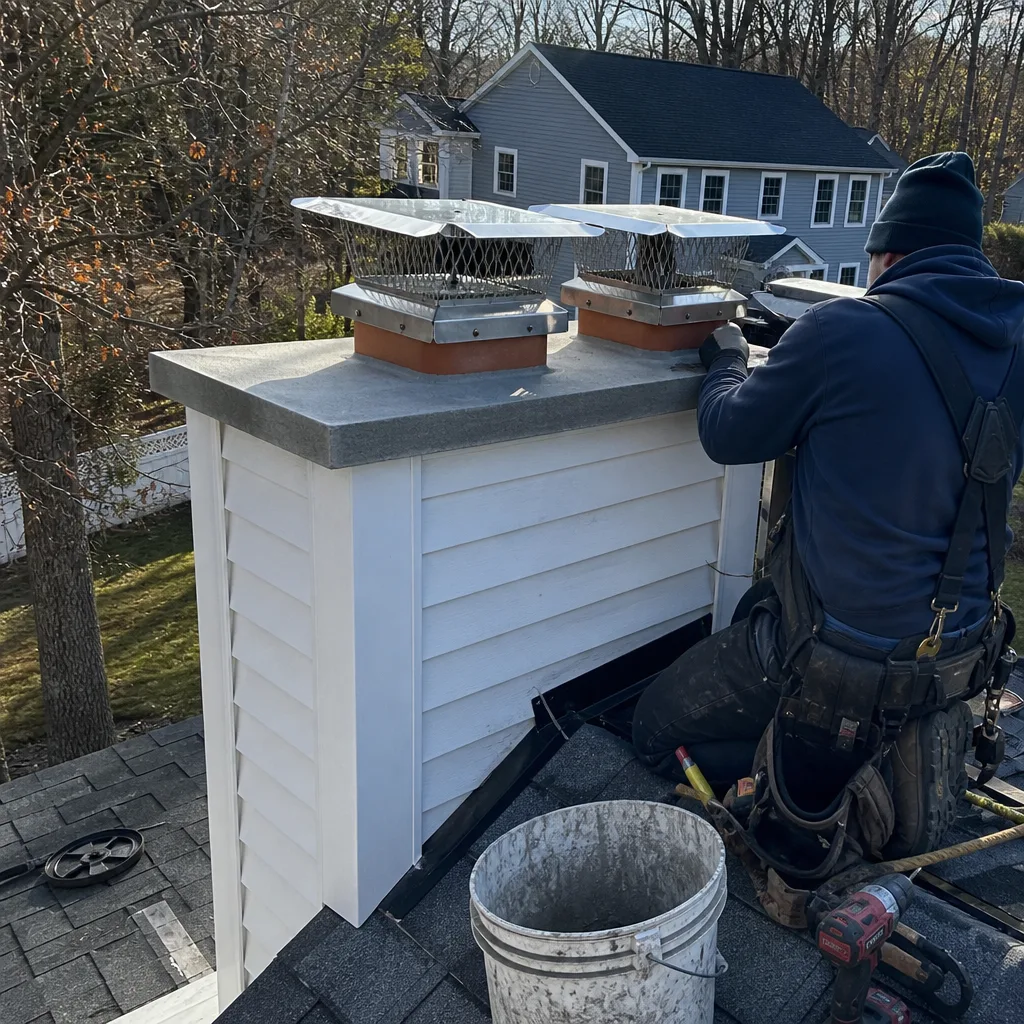 After
AfterSeasonal Chimney Cleaning Care for Wakefield: Year-Round Homeowner’s Guide
The chimney fire that starts in November usually began in July. In Wakefield, a summer rainstorm drives water through a hairline flashing crack that no one looks at, and four months of humidity quietly expands it into a liner problem. By the time the first cold snap hits and the fireplace gets its first use, that small summer leak has become a $2,400 repair that could have been caught with a May inspection. Most homeowners in Wakefield treat chimney care as a fall checklist item. We’re going to show you why that’s backward, and what to do in each season to keep your chimney sound and your home safe.
Quick Answer
Year-round chimney care in Wakefield means four distinct maintenance windows: spring inspection for winter damage and animal entry, summer repairs when schedules are open and masonry cures properly, late-summer cleaning before the October booking rush, and a specific startup protocol before your first fall fire. Homes near Lake Quannapowitt and in older neighborhoods like Montrose and Greenwood see accelerated freeze-thaw damage and should inspect crowns and flashing twice yearly.
Table of Contents
- What Summer Does to Your Wakefield Chimney (April-September)
- The Optimal Window to Schedule Cleaning in Wakefield
- Fall Startup Protocol: Before the First Fire
- Winter Use Patterns That Accelerate Creosote Buildup
- Spring Post-Season Tasks That Prevent Summer Damage
- Wakefield-Specific Risks: Climate, Age, and Geography
- Common Mistakes to Avoid
- When to Call a Professional
- Frequently Asked Questions
What Summer Does to Your Wakefield Chimney (April-September)
Summer is when most chimney damage actually occurs in Wakefield, not winter. The misconception is that a chimney sits idle and safe from April through September. In our experience inspecting hundreds of Wakefield chimneys, the period between the last spring frost and the first fall fire causes more preventable repairs than the burning season itself.
Three specific problems develop during Wakefield summers:
Efflorescence on brick and mortar. White, powdery deposits on the exterior of your chimney signal that water is moving through the masonry, dissolving salts, and depositing them on the surface. Wakefield’s summer humidity, typically 70-80% in July and August, keeps masonry damp for extended periods. We’ve seen efflorescence on chimneys in the Montrose neighborhood where 1920s brickwork has no damp-proof course. The salts themselves aren’t structural, but they’re evidence of water migration that will destroy mortar joints within three to five years if uncorrected.
Freeze-thaw spalling residue. The damage you see in fall often started the previous winter. Water enters micro-cracks in brick or crown concrete, freezes, and expands. By spring, the surface spalls off in thin flakes. Summer heat then accelerates the deterioration of the exposed substrate. In Wakefield, where January temperatures regularly drop below 15°F and March sees freeze-thaw cycles, chimneys without proper crown sealing or waterproofing show spalling within their first fifteen years. We’ve replaced crowns on homes near Lake Quannapowitt where wind-driven rain and temperature swings created spalling in less than a decade.
Animal entry. Squirrels, raccoons, and chimney swifts treat an uncapped flue as ready housing. Summer is nesting season. A squirrel can enlarge a small gap at the crown edge into a three-inch entry in a single afternoon. By September, a nest partially blocks the flue, creating a fire hazard and a carbon monoxide risk. Wakefield’s mature tree canopy in neighborhoods like Greenwood and the West Side provides abundant wildlife access to rooflines.
What to check from the ground each summer month:
- White staining on any brick surface, especially above the roofline
- Missing or shifted cap, or gaps between cap and flue tile
- Debris on the smoke shelf visible from below (shine a flashlight up the damper)
- Musty odor from the fireplace on humid days, indicating moisture accumulation
- Any new vegetation growing from mortar joints
If you spot two or more of these signs, schedule a Level-2 camera inspection before fall. The photos will show you exactly what summer did, and whether it can wait or needs immediate attention.
The Optimal Window to Schedule Cleaning in Wakefield
The best time to book a chimney cleaning in Wakefield is late August through mid-October. This window exists for practical reasons that affect both cost and quality of service.
After Labor Day, demand spikes across Essex County. Homeowners who haven’t thought about their chimney since March suddenly remember it exists. By October 15, most reputable sweeps in the Wakefield area are booking two to three weeks out. Wait until the first cold night, and you’re competing with everyone else who just tried to light a fire and smelled smoke in the living room.
Scheduling in late August or September gives you three advantages:
- Technician availability and attention. Before the rush, appointments run on time. Technicians aren’t rushing from job to job to clear a backlog. Our background-checked, uniformed technicians complete most jobs in a single visit, but that efficiency depends on reasonable scheduling.
- Time to complete repairs before burning season. If the inspection finds crown cracks, liner gaps, or damper corrosion, you need two to four weeks to schedule the repair and let materials cure properly. HeatShield crown coat applications, for example, require 24-48 hours of dry weather above 50°F to achieve full bond strength. Late September still gives you that window in Wakefield. Mid-November does not.
- Early-bird pricing. Our $89 Seasonal Tune-Up runs through September 30. After that, standard rates apply, and emergency bookings carry premium pricing.
Homes in Wakefield that burn wood as primary heat, common in the 1950s ranches north of Main Street, should consider annual cleaning mandatory. The EPA and National Fire Protection Association recommend annual inspection for all wood-burning systems, and cleaning as needed based on creosote accumulation. In practice, that means every cord of seasoned hardwood produces enough creosote to warrant cleaning after one to two burning seasons. If you’re burning two cords or more, annual cleaning isn’t cautious, it’s necessary.
The cost of waiting until November isn’t just convenience. Emergency bookings, rush fees from any sweep with an opening, and the risk of discovering a blocked flue on the coldest night of the year all compound. We’ve taken calls on December evenings from Wakefield homeowners with ice dams, frozen crowns, and no heat because they skipped the August window.
Fall Startup Protocol: Before the First Fire
Every fall, we get calls from Wakefield homeowners who lit their first fire and filled the house with smoke, or smelled something acrid, or heard an odd draft noise. Most of these problems are preventable with a systematic startup protocol. Do not simply open the damper and throw in a match.
Step 1: Visual inspection from the hearth.
Open the damper fully. Shine a flashlight up the flue. Look for:
- Obvious blockages: bird nests, squirrel debris, fallen brick or flue tile
- Soot buildup that narrows the flue opening by more than one-quarter
- White or orange staining on flue tiles, indicating moisture or acid damage
- Daylight visible through cracks in the flue liner
If you see any of these, stop. Do not proceed to lighting. Call for a Level-2 inspection.
Step 2: The warm-up draft test.
This is the step most homeowners skip, and it’s the one that prevents smoke-filled rooms. A cold chimney has no upward draft. The air inside is the same temperature as outside, so there’s no pressure differential to carry smoke upward. In Wakefield, where October mornings can start at 40°F, a chimney that hasn’t been used in six months is effectively a cold column of dead air.
Roll a newspaper into a tight torch. Light it and hold it at the damper opening for 60-90 seconds. You’re not trying to heat the entire flue. You’re warming the air at the base enough to establish upward flow. Watch the flame: if it bends toward the flue and draws steadily, your draft is establishing. If it flickers outward or goes flat, your chimney is cold-soaked or partially blocked.
Repeat with a second torch if needed. Only when you feel consistent warm air drawing upward should you proceed.
Step 3: Small kindling fire, observed.
Build a small fire with dry kindling and two or three splits. Keep it modest, the size you’d use for a cooking fire. Let it burn for 20-30 minutes with the damper fully open. Observe:
- Does smoke enter the room at any point?
- Do you hear unusual whistling or rumbling from the flue?
- Does the fire burn sluggishly despite open damper and dry wood?
- Do you smell creosote or an acrid, chemical odor?
Any of these indicates a problem: draft issue, partial blockage, or creosote buildup requiring cleaning before regular use.
Step 4: Check exterior indicators while the fire burns.
Go outside and observe the chimney top. Smoke should exit cleanly from the flue, not seep from mortar joints or the chimney base. In Wakefield’s older homes, particularly in the Greenwood area with original 1890s-1920s construction, we’ve found chimneys where internal flue deterioration allows smoke to leak into wall cavities. The exterior check catches this before it becomes a structural or health hazard.
If all four steps pass cleanly, your chimney is ready for the season. If any step raises a concern, schedule inspection before building larger fires. The Chimney Cleaning & Sweep in Wakefield page details what our Level-2 inspection includes.
Winter Use Patterns That Accelerate Creosote Buildup
How you burn matters as much as what you burn. In Wakefield, where many homeowners use fireplaces for supplemental heat and ambiance, two common patterns create more creosote than necessary.
The overnight slow burn.
Loading the stove or fireplace at 10 PM, damping it down to smolder until morning, produces maximum creosote with minimum heat. When wood burns below 250°F flue gas temperature, combustion is incomplete. Volatile gases escape unburned and condense on cool flue walls as liquid creosote. By morning, you’ve added a measurable layer of fuel to your chimney interior.
We’ve cleaned chimneys in Wakefield where homeowners ran this pattern nightly from November through March. The creosote accumulation was three to four times what annual cleaning would normally address. In one case on Albion Street, the creosote layer was thick enough to show significant buildup in our camera inspection photos, and the homeowner had no idea because the fire “seemed to work fine.”
If you need overnight heat, a properly sized wood stove with secondary combustion burns more completely at lower settings than an open fireplace. But even then, avoid choking the air supply below the manufacturer’s minimum.
The hot short fire.
The opposite pattern, building a large, hot fire for two hours then letting it die completely, seems cleaner but creates its own problems. Rapid temperature swings stress clay flue liners. We’ve found cracked flue tiles in Wakefield chimneys where decades of hot-cold cycling shattered the liner, creating gaps that allow heat transfer to combustible framing. The NFPA reports that most chimney fires start in these cracks, where escaping heat ignites creosote or adjacent wood.
The balanced approach: moderate, sustained fires with dry, seasoned hardwood. Maintain flue gas temperatures above 250°F to ensure complete combustion, but avoid over-firing that pushes temperatures above 1,800°F and risks liner damage. Use a magnetic stove thermometer on the flue pipe or stove body if you’re uncertain.
For Wakefield homeowners who burn regularly, we recommend a mid-season check in January or February. This isn’t a full cleaning, but a visual assessment of creosote accumulation and liner condition. Our $89 Seasonal Tune-Up includes this check, and it’s caught developing problems before they became spring emergencies.
Spring Post-Season Tasks That Prevent Summer Damage
The last fire of the season isn’t the end of chimney care. It’s the beginning of the maintenance cycle that determines whether your chimney survives the summer intact.
After the final fire, once the system has cooled completely (48 hours minimum), complete these tasks:
Cap inspection and cleaning.
Remove the cap if it’s designed for removal, or inspect it in place. Clear all soot, creosote flakes, and debris from the mesh screen. In Wakefield, where spring pollen and seed dispersal from oak and maple trees is heavy, caps clog quickly. A blocked screen restricts draft and can force carbon monoxide back into the home when you relight in fall.
Check the cap’s attachment to the flue or crown. Our technicians use professional-grade caps from Famco and Copperfield, secured with stainless steel screws into masonry anchors. If your cap is loose, corroded, or missing fasteners, spring is the time to address it. Summer storms will test whatever attachment remains.
Crown coat check.
The concrete crown at your chimney top is the most vulnerable surface. It receives direct rain, endures the widest temperature swings, and has no structural redundancy. A sound crown sheds water to the roof. A cracked crown funnels water into the chimney interior.
Inspect for hairline cracks, spalling at the edges, or separation from the flue tile. Minor cracks can be sealed with a flexible crown coat product like HeatShield, which we apply as part of our repair services. Left untreated through a Wakefield summer, those cracks widen with each rain-heat cycle. By October, water has reached the smoke shelf and damaged the damper.
Damper seal and closure.
Close the damper completely after the last fire. This isn’t just for energy efficiency, though it does prevent conditioned air loss. A closed damper blocks summer humidity from entering the flue and condensing on cool interior surfaces. That condensation activates any remaining creosote residue, creating acidic compounds that corrode metal dampers and degrade mortar.
In Wakefield’s humid summers, we’ve opened dampers in September and found rust flakes, musty odors, and in one case on North Avenue, visible mold growth on the smoke shelf where humid air had circulated unchecked for four months.
Exterior masonry survey.
Walk the property and view the chimney from multiple angles. Look for:
- New cracks in brick or mortar, especially vertical cracks that suggest structural movement
- Missing or eroded mortar joints, allowing water penetration
- Staining below the chimney on roof shingles or siding, indicating water runoff from crown or flashing failure
- Tilt or lean, however slight, which suggests foundation settlement or frost heave
Document what you see with dated photos. Compare year to year. Small changes are early warnings. Significant changes require professional evaluation.
Spring is also the optimal time for major repairs. Masonry work, crown reconstruction, and liner replacement all require dry weather and moderate temperatures for proper curing. Our Chimney Repair in Wakefield services book more smoothly in April and May than in the fall rush, and materials like DuraFlex liners and HeatShield coatings perform best when installed in 50-75°F conditions.
Wakefield-Specific Risks: Climate, Age, and Geography
Wakefield presents a particular combination of factors that accelerate chimney deterioration. Understanding them helps you prioritize inspections and catch problems early.
Freeze-thaw cycling.
Wakefield averages 28 freeze-thaw cycles annually, more than coastal Massachusetts communities but fewer than inland western Massachusetts. The critical factor is timing: March cycles, when daytime temperatures reach 45-50°F and nights drop below freezing, are most damaging because masonry has absorbed winter moisture. Chimneys with compromised crowns or porous brick show spalling after just a few severe March weeks.
Homes built before 1940, common in the Montrose and Greenwood neighborhoods, often used soft, porous brick that absorbs more water than modern hard-fired brick. These chimneys need more frequent crown maintenance and may benefit from professional-grade waterproofing treatments that allow vapor escape while blocking liquid water.
Lake-effect moisture patterns.
Lake Quannapowitt moderates Wakefield’s temperature but increases local humidity, particularly on the lake’s eastern shore. We’ve found more efflorescence and interior moisture damage in chimneys within a half-mile of the lake than in comparable construction farther west. The effect is subtle but consistent: more humid summers, more condensation in shoulder seasons, and more rapid corrosion of metal components.
Age of housing stock.
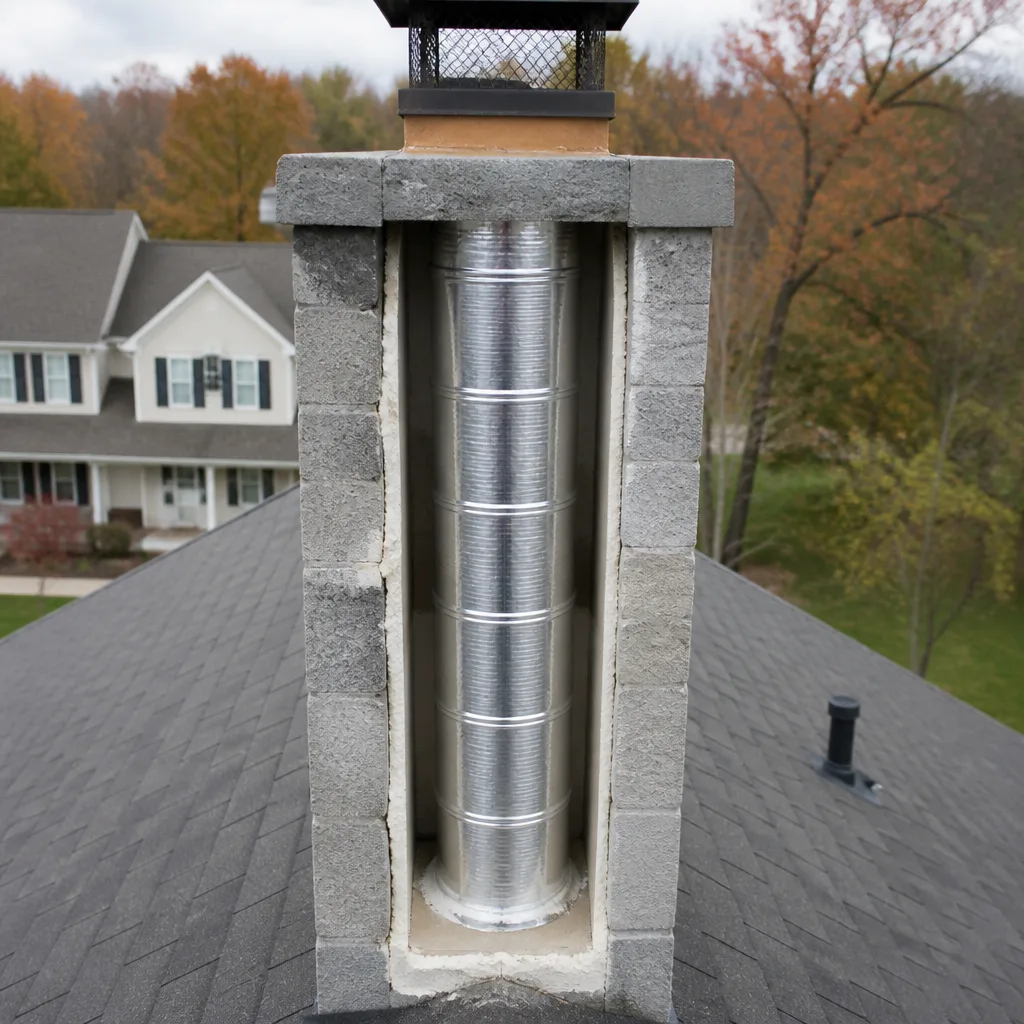
Wakefield’s median home age is 62 years. Many chimneys are original construction, built to codes that didn’t require clay flue liners (common before 1940) or with liners that have exceeded their 50-70 year service life. A chimney that looks sound externally may have a deteriorated liner that no longer contains heat and combustion gases safely.
The only way to assess liner condition is visual inspection, preferably with a camera system that documents the full flue length. Our Level-2 inspections use camera equipment that produces photos you can see, with a plain-English verdict on whether the liner is serviceable, repairable, or requires replacement. No recommendation is made without photographic evidence.
Local code considerations.
Wakefield follows the Massachusetts State Building Code, which requires permits for chimney reconstruction, liner replacement, and structural modifications. The town’s Building Department inspects completed work for code compliance. We handle permit applications as part of our repair process, and all our installations meet or exceed current code requirements for clearances, liner sizing, and termination height.
Common Mistakes to Avoid
- Assuming no fireplace use means no maintenance needed. Even gas fireplaces and chimneys for abandoned wood stoves require annual inspection. Moisture, animal entry, and liner deterioration proceed regardless of use. We’ve found blocked gas flues in Wakefield homes where the fireplace hadn’t been lit in three years.
- Using the wrong firewood. Burning unseasoned wood, construction scraps, or Christmas trees creates rapid, dangerous creosote buildup. Seasoned hardwood, split and stacked for 12 months minimum, burns cleaner. In Wakefield, buy wood in spring for the following fall, or source from suppliers who certify moisture content below 20%.
- Ignoring the chimney cap. A missing or damaged cap is an open invitation for water, animals, and debris. It’s the cheapest component and the most critical for long-term protection. We’ve replaced liners that failed prematurely because a $150 cap was never installed.
- DIY cleaning with inadequate tools. Consumer-grade chimney brushes don’t reach the smoke shelf or remove glazed creosote. Worse, improper technique can damage flue tiles or dislodge debris that blocks the flue. Professional cleaning includes camera verification that the flue is actually clear, not just brushed.
- Waiting for visible problems. By the time you see staining on the ceiling near the chimney, or smell smoke in an upstairs room, water or heat has already damaged framing, insulation, or finishes. The cost of early inspection is a fraction of the cost of water damage repair.
- Hiring based on price alone. The lowest bid often means no insurance, no permits, no camera inspection, and no warranty. In Massachusetts, chimney sweeps are not state-licensed, so anyone can claim expertise. Verify insurance, check references in Wakefield specifically, and get the scope of work in writing.
- Skipping the fall startup protocol. The warm-up draft test takes two minutes and prevents smoke-filled rooms, CO exposure, and panic calls to the fire department. It’s not overcautious. It’s the standard practice that professionals follow.
When to Call a Professional
Call a certified chimney professional when you observe any of the following: smoke entering the room during normal operation, visible cracks in flue tiles or exterior masonry, white or orange staining inside the firebox, a persistent musty odor from the fireplace, animal sounds from the chimney, or any change in draft performance from previous seasons. These symptoms indicate conditions that DIY assessment cannot safely resolve.
For Wakefield homeowners, Hearthstone Chimney Co. home provides free estimates with no obligation. We answer calls with a live person 24 hours a day, 7 days a week, and our background-checked, uniformed technicians complete most jobs in a single visit. Call (857) 364-8219 to schedule. Our 90-Day Done Right Promise means if it’s not done right, we make it right, in writing, with no arguing.
Frequently Asked Questions
A standard chimney cleaning and inspection in Wakefield typically ranges from $200 to $350 for a single-flue system with moderate creosote buildup. Factors that increase cost include multiple flues, heavy glazed creosote requiring rotary cleaning, accessible roof conditions that require additional safety equipment, and the need for Level-2 camera inspection. Our $89 Seasonal Tune-Up, available through September 30, includes basic cleaning and visual inspection for qualifying systems. Call (857) 364-8219 for an exact quote based on your specific chimney configuration.
You need a new liner when the existing one is cracked, perforated, or improperly sized for your appliance, and only a camera inspection can determine this with certainty. We never recommend liner replacement without photographic evidence you can see yourself. In Wakefield, unlined chimneys built before 1940 and clay tile liners exceeding 50 years are the most common candidates for replacement. DuraFlex stainless steel liners, which we install, carry a lifetime warranty when properly maintained. If a sweep recommends liner work without showing you camera images, get a second opinion.
The National Fire Protection Association recommends annual inspection for all chimney systems, with cleaning frequency determined by creosote accumulation. For Wakefield homeowners who burn one cord of seasoned hardwood or less annually, cleaning every one to two years is typically sufficient. Those burning two cords or more, or using the fireplace as primary heat, should clean annually. Gas fireplace chimneys need annual inspection but may not require sweeping unless debris or deterioration is found. Schedule before the October rush for best availability.
Skipped maintenance leads to three predictable outcomes: creosote accumulation that fuels chimney fires, water intrusion that destroys masonry and adjacent structural components, and liner deterioration that allows heat and combustion gases to reach combustible framing. In Wakefield’s climate, the timeline accelerates. We’ve repaired chimneys where five years of skipped maintenance turned a $200 crown seal into a $4,000 rebuild. The cost of prevention is always lower than the cost of remediation, and the safety difference is not theoretical.
You can remove superficial soot from the firebox and inspect the damper, but professional cleaning requires tools and training that most homeowners don’t have. Rotary cleaning systems for glazed creosote, camera equipment for liner assessment, and the ability to evaluate structural conditions safely from the roof are not DIY projects. More critically, without camera verification, you cannot confirm the flue is actually clear. We document every cleaning with photos, and our 90-Day Done Right Promise covers our work. Self-cleaning carries no such assurance.
Summer chimney odors indicate moisture-activated creosote residue, animal entry, or drafting problems that allow humid air into the flue. In Wakefield’s humid summers, a closed damper and sealed firebox are essential barriers. If odors persist with the damper closed, the seal is inadequate or there’s an active moisture source. A musty smell suggests water intrusion from crown or flashing failure. A sharp, acrid smell indicates creosote reacting with humidity. Both require inspection to identify the source. Call (857) 364-8219 if summer odors are ongoing.
The Bottom Line
Chimney care in Wakefield is a year-round discipline, not a fall errand. Summer moisture and animal entry create the problems that emerge in November. The August-September scheduling window saves money and stress. How you burn in winter determines how much creosote accumulates. And spring maintenance, completed promptly after the last fire, prevents the damage that makes fall repairs necessary. The homeowners we see with the lowest lifetime chimney costs are those who treat each season as an active maintenance period, not just the months when the fireplace is lit.
For a free estimate on chimney cleaning, repair, or inspection in Wakefield, call Hearthstone Chimney Co. at (857) 364-8219. A live person answers 24 hours a day, 7 days a week. Our Fireplace Services in Wakefield page details additional services for gas and wood-burning systems.
Written by Russell Haines, Owner at Hearthstone Chimney Co., serving Wakefield since 2014.