
Last updated September 10, 2026
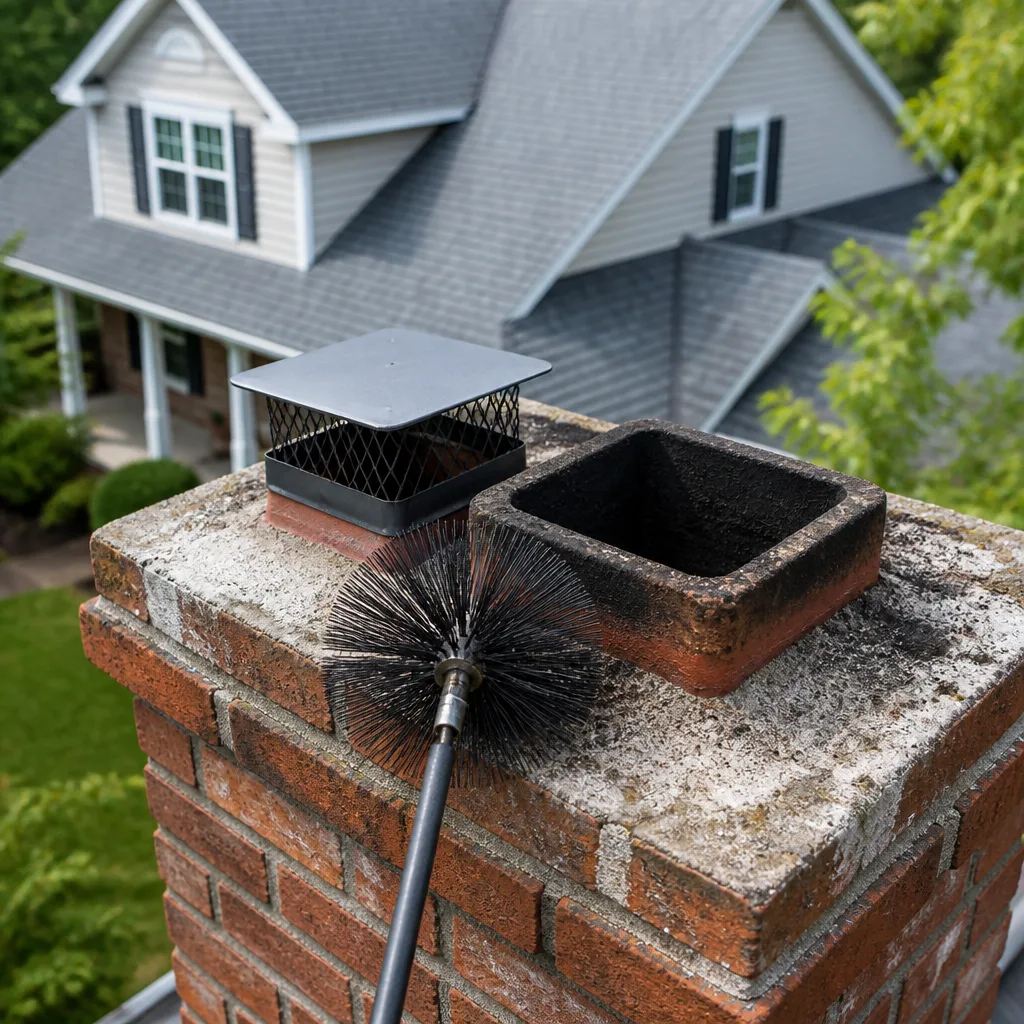
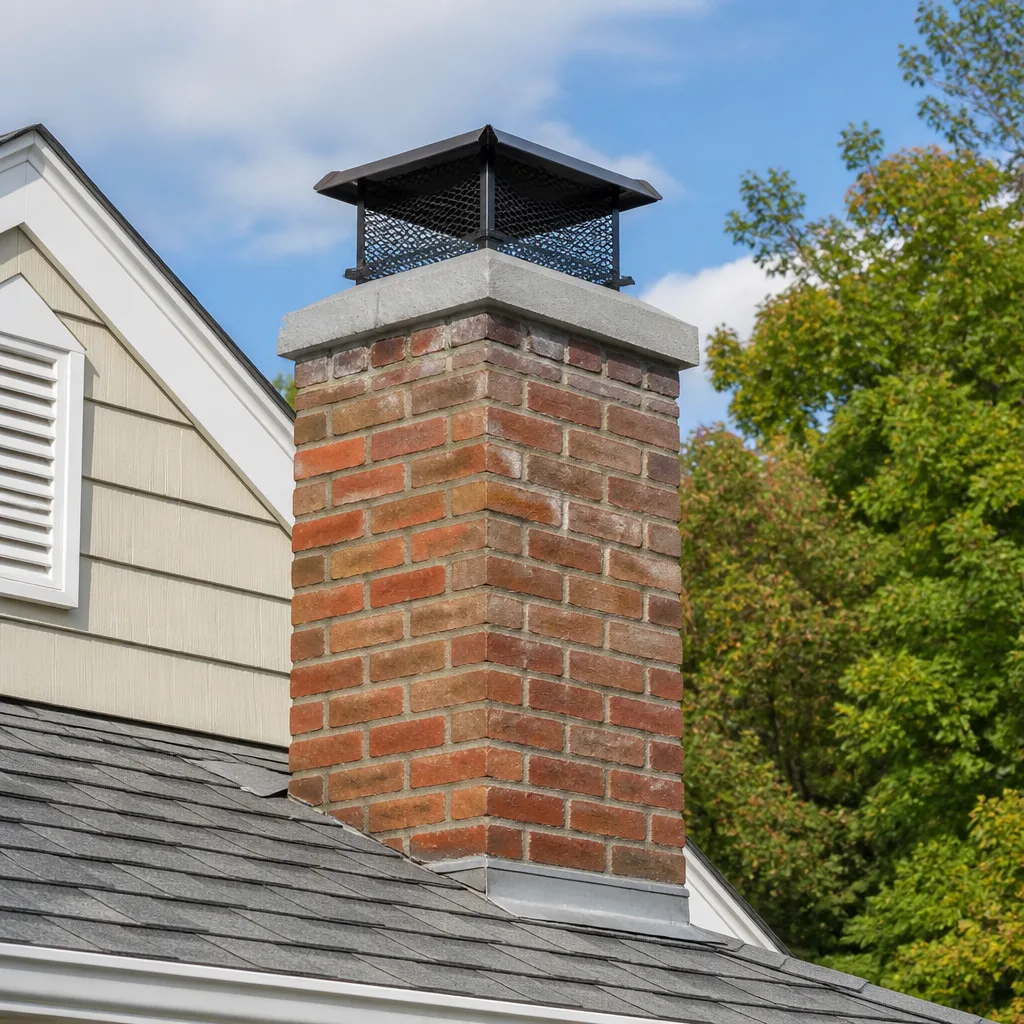
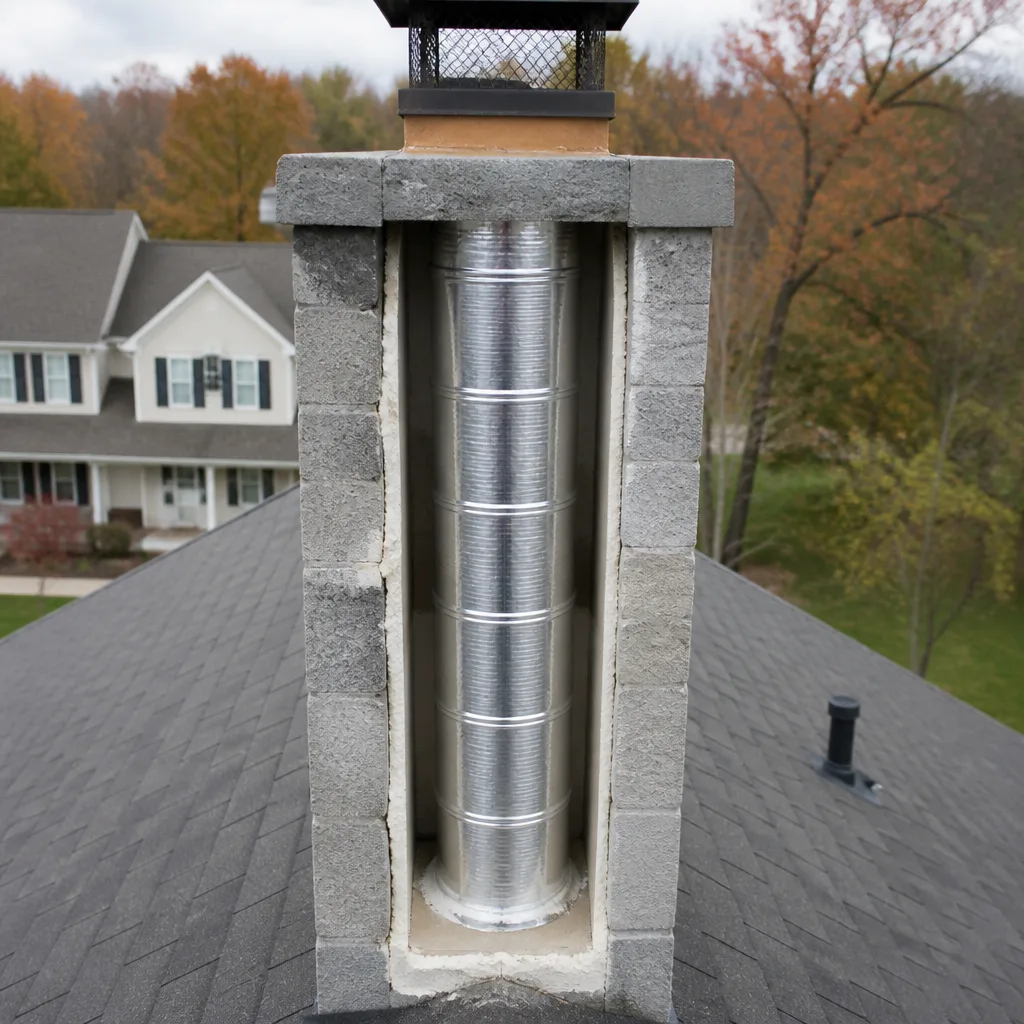
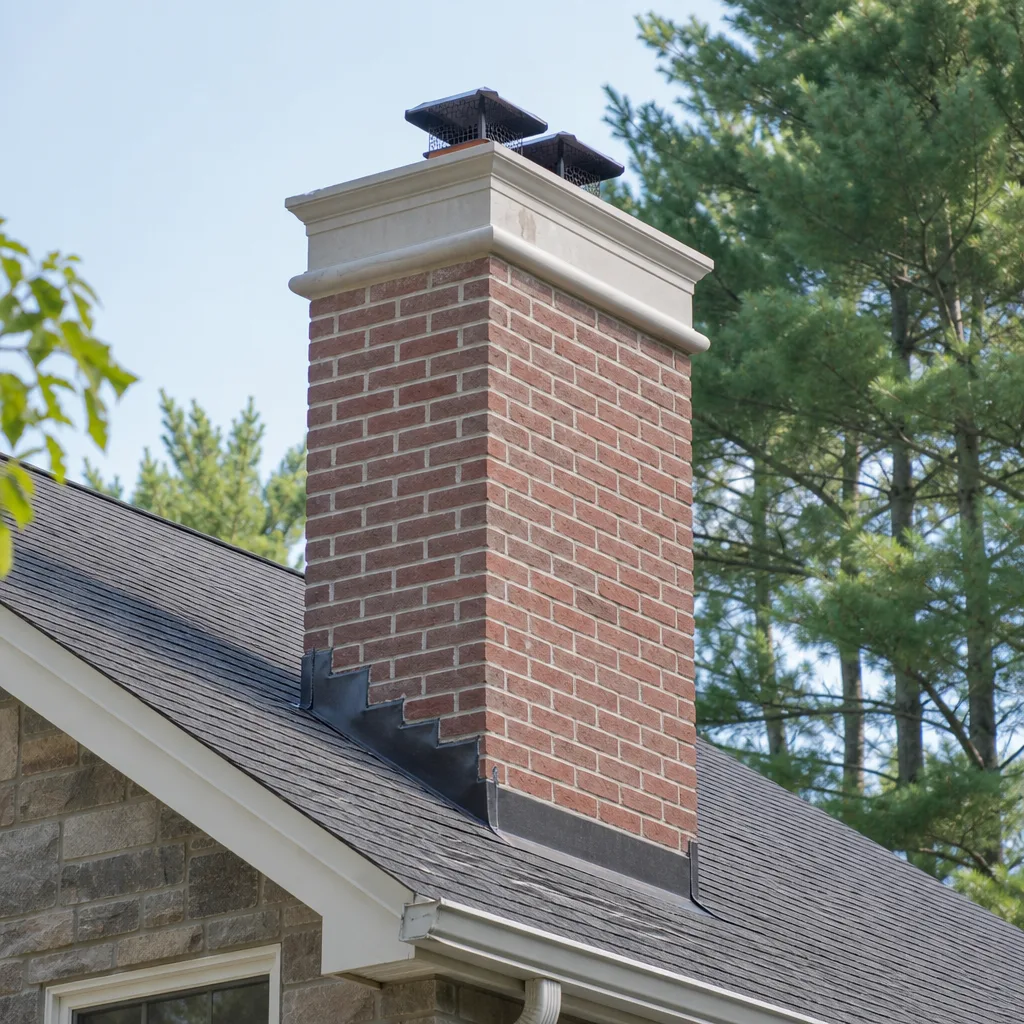
Level 1 sweep and inspection to the NFPA 211 annual standard - flue, crown, cap, and flashing checked and photographed
Chimney sweep logs do not sweep chimneys. They loosen some creosote - which then falls where a brush and vacuum still have to collect it.
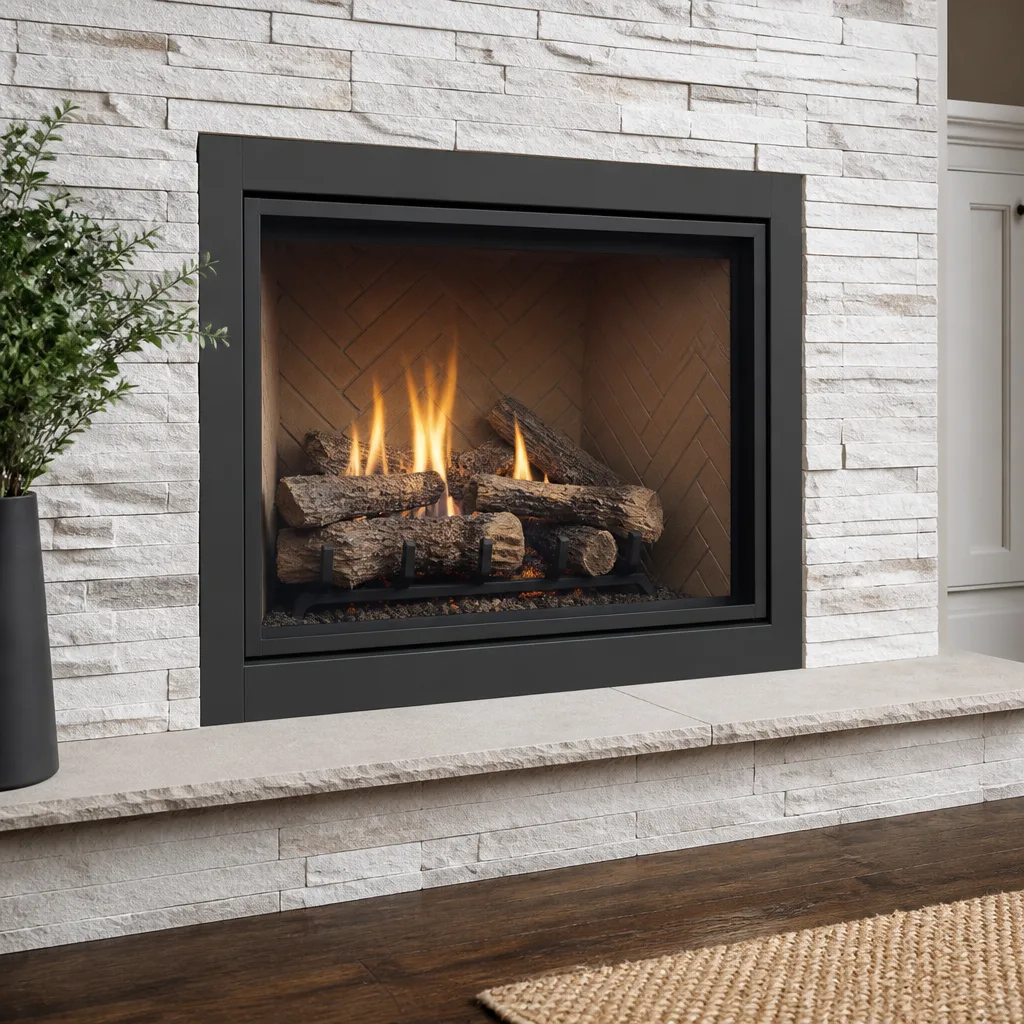
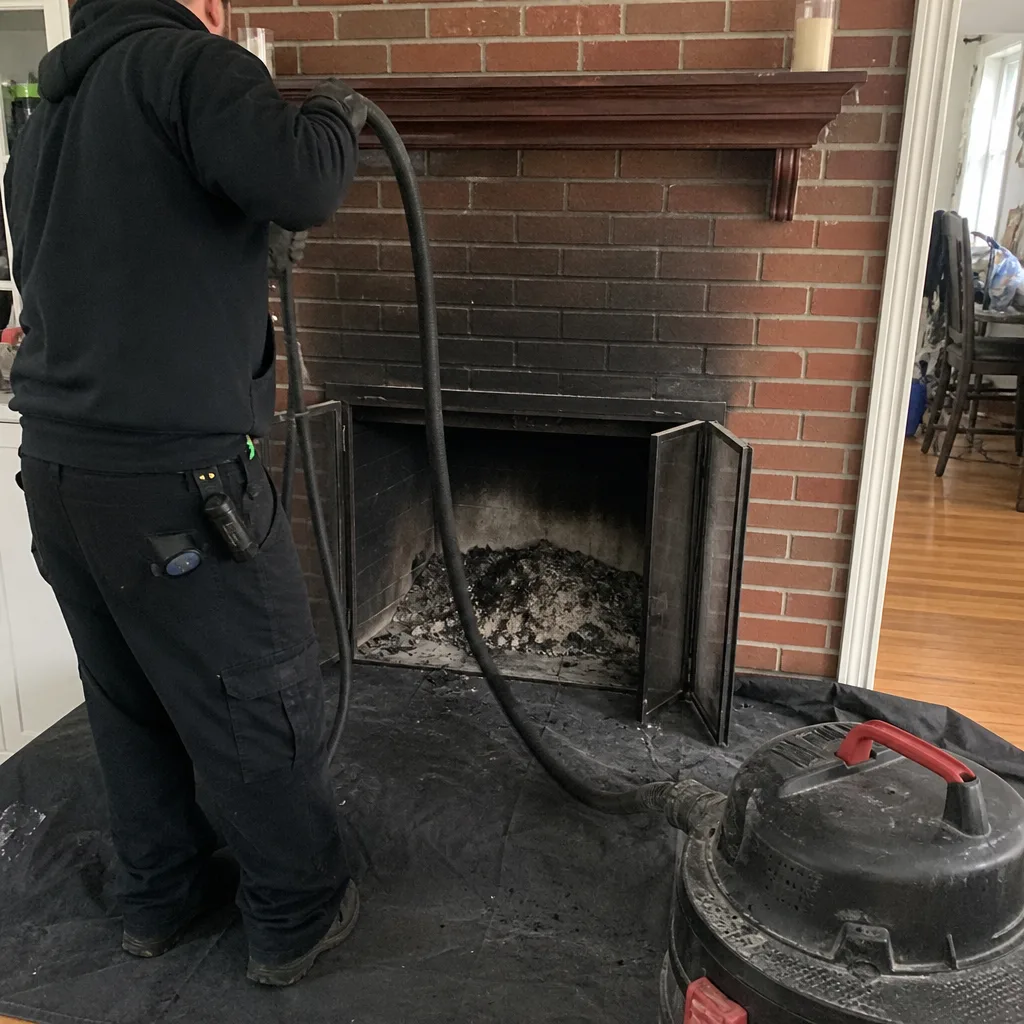 Before
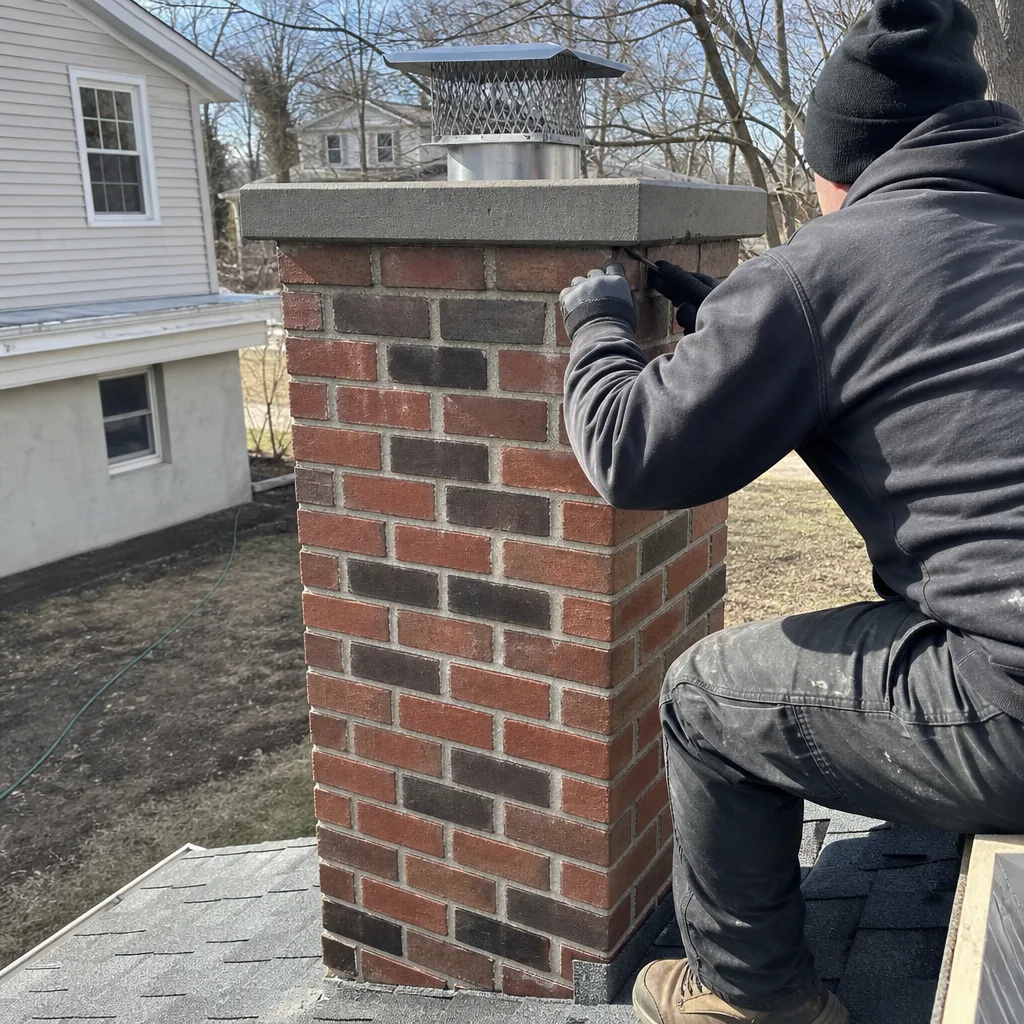 After
After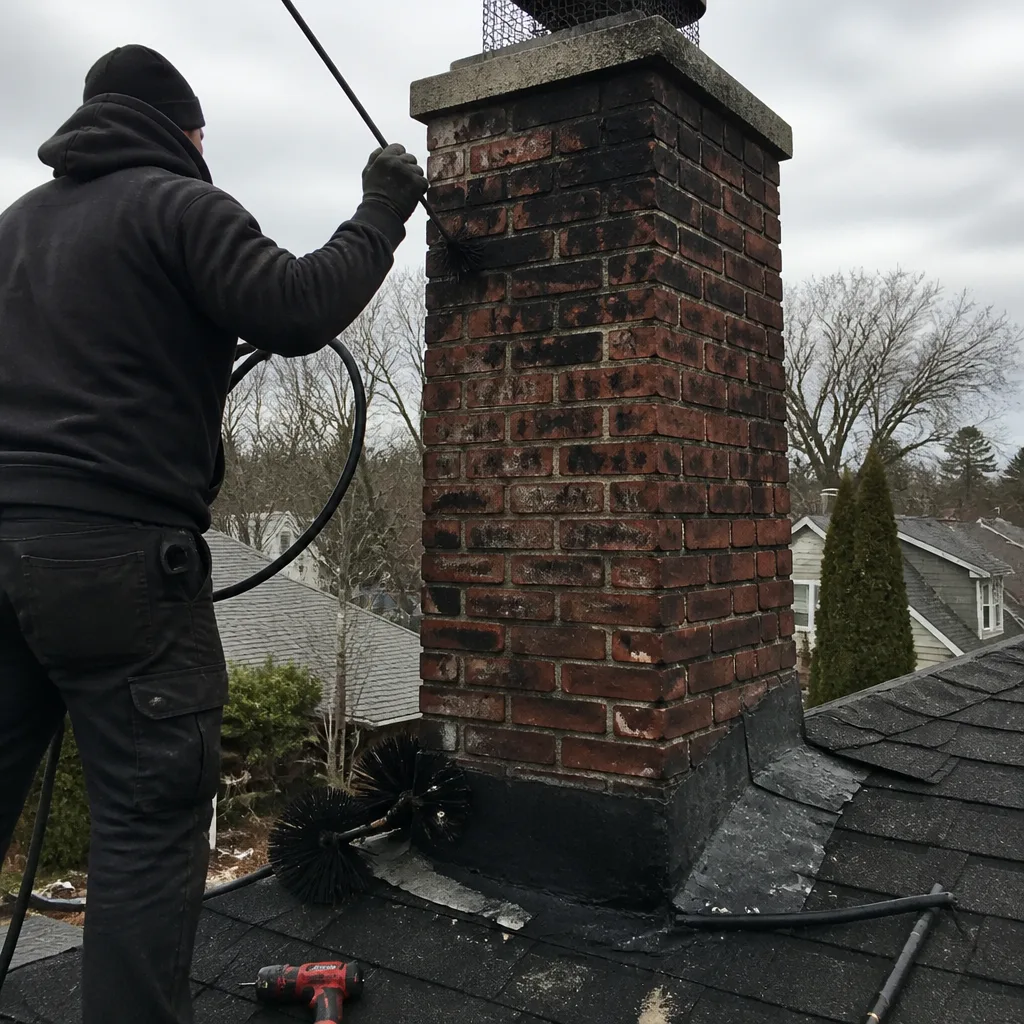 Before
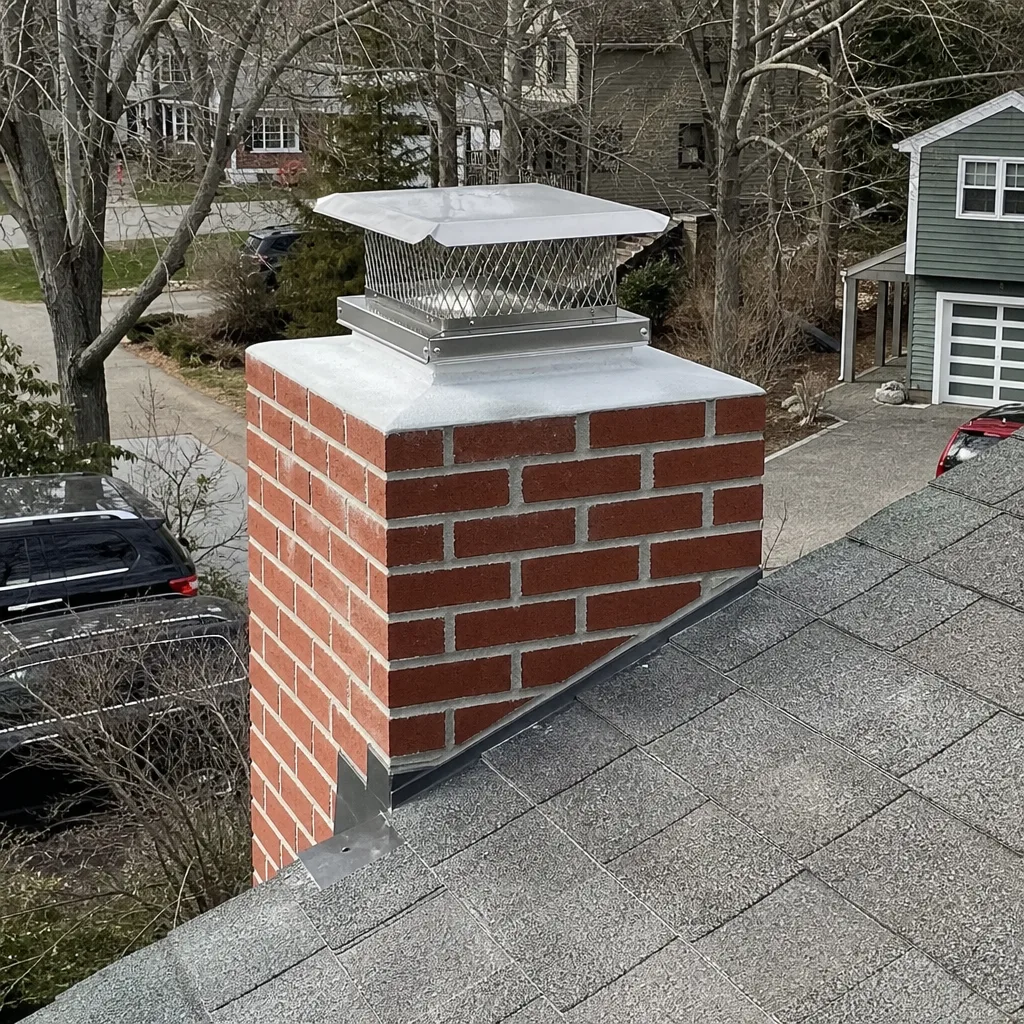 After
After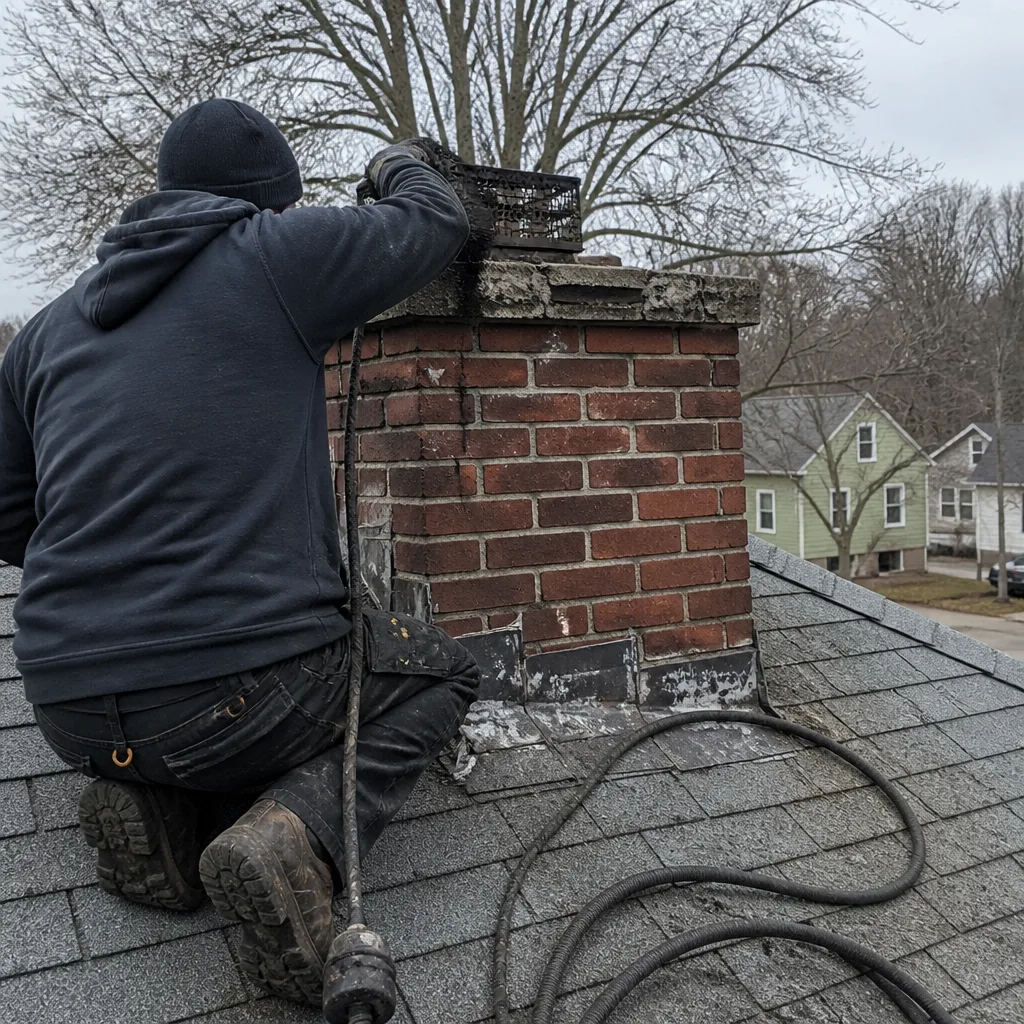 Before
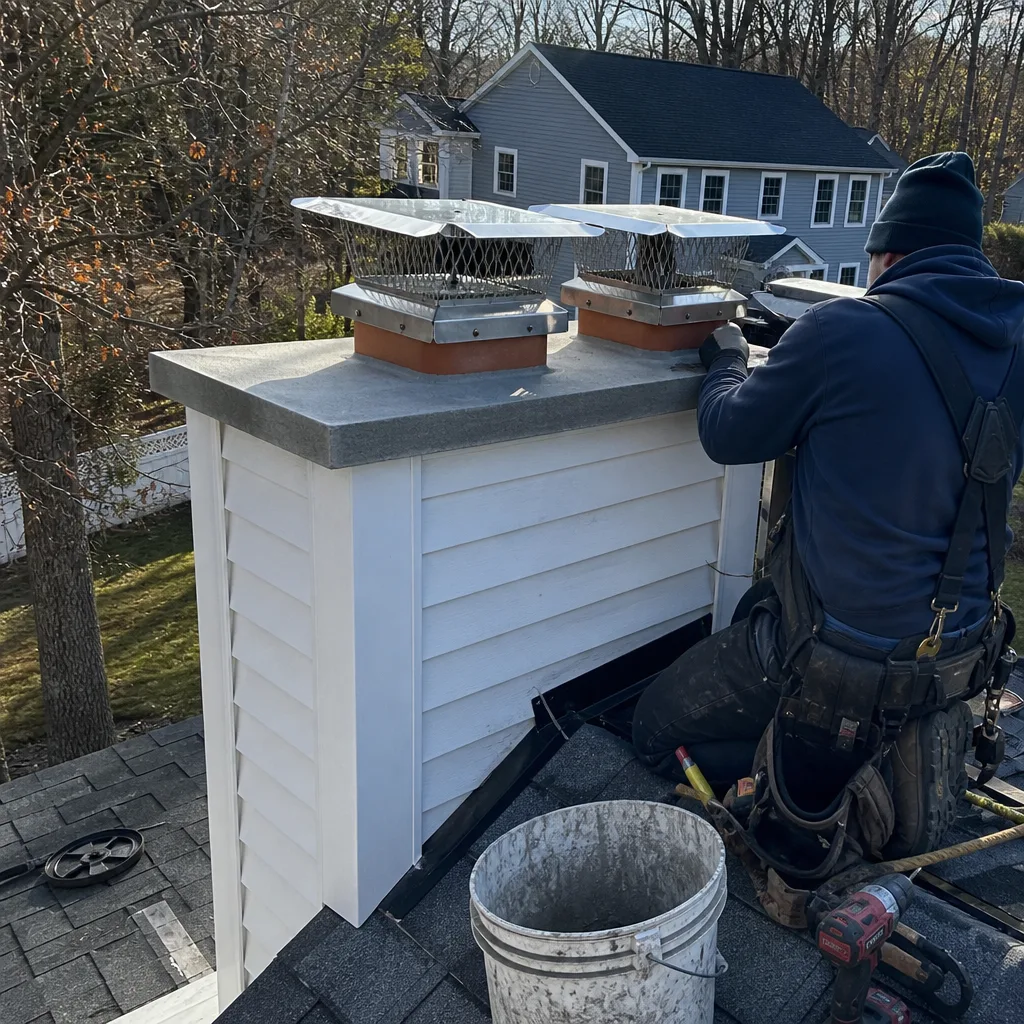 After
AfterChimney Cleaning & Sweep Maintenance Checklist for Wakefield Homeowners
Most chimney maintenance checklists were written by marketing teams, not sweeps. They tell you to “check the damper” without explaining that a damper that opens smoothly can still be warped enough to let carbon monoxide back into the house. After 42 years of climbing Wakefield chimneys, we’ve learned that a useful checklist separates what a homeowner can verify from the fireside from what requires a Level-2 camera inspection and a trained eye. This guide gives Wakefield homeowners a room-by-room, season-by-season reference that builds real knowledge without creating false confidence.
Quick Answer
A complete chimney maintenance checklist for Wakefield homeowners includes pre-season fireside inspections you can do yourself, mid-season checkpoints for heavy burners, and post-season moisture protection tasks specific to Massachusetts humidity. Professional Chimney Cleaning & Sweep services with camera inspection should happen annually for wood-burning systems and before any change of fuel or appliance.
Table of Contents
- Pre-Season Checklist: What You Can Check from the Fireside
- Reading Your Firebox: Floor, Throat, and Smoke Shelf
- Mid-Season Checkpoints for Heavy Burners
- Post-Season Protection: Spring and Summer in Wakefield
- Record-Keeping Template for Insurance and Resale
- What Requires a Sweep’s Camera and What Doesn’t
- Common Mistakes to Avoid
- When to Call a Professional
- Frequently Asked Questions
Pre-Season Checklist: What You Can Check from the Fireside
The best time to inspect your chimney in Wakefield is late September, before the first cold snap sends everyone calling at once. You do not need to climb on the roof. What you need is a flashlight, a mirror on an extendable handle, and the patience to look at what the fire has been telling you all season.
The Odor Test
Close all windows and doors on the same floor as the fireplace. Wait ten minutes, then stand near the firebox and breathe deeply. A sour, campfire-ashtray smell that lingers means creosote buildup has reached the point where humidity reactivates it. In Wakefield’s fall weather, when indoor humidity swings between 35% and 55%, this odor is a reliable early warning. A faint wood-smoke scent on a still day is normal. Ammonia or urine-like smells suggest animal intrusion, which requires immediate attention before first fire.
Visual Draft Check
Open the damper fully. Hold a lit incense stick or thin candle at the firebox opening. The flame should lean toward the flue, not into the room. Reverse flow means a blocked flue, a cold chimney column, or negative pressure from kitchen exhaust fans or dryer vents. In Wakefield’s older neighborhoods near the Common, where houses sit close together and modern HVAC systems create powerful negative pressure, this test catches problems that a visual inspection misses.
Damper Feel Test
Move the damper through its full range. It should seat firmly at both open and closed positions without grinding or catching. Listen for the soft click of metal seating against metal. A damper that moves easily but does not seal tightly is more dangerous than one that sticks, because you will use it while it leaks heated air and, worse, can allow smoke rollback during a low-fire condition. We have replaced dampers in Wakefield homes where the homeowner reported “it works fine” because the handle moved, but the plate had warped 3/16 inch open along one edge.
Firebox Floor Inspection
Remove any remaining ash to bare firebrick. Look for:
- Cracks wider than a nickel that run through multiple bricks
- Spalling (flaking or popping of the brick face) that exposes the soft interior
- Mortar joints recessed more than 1/2 inch
- White or yellow powdery deposits (efflorescence) indicating moisture migration
Surface cracking in individual bricks is normal thermal stress. Cracks that connect multiple bricks or reach the sidewalls suggest structural movement and require professional evaluation.
What you cannot assess from the fireside: the condition of the flue liner, the crown, the cap, or the exterior masonry. These require a Level-2 inspection with a camera. Chimney Cleaning & Sweep in Wakefield includes this documentation as standard practice.
Reading Your Firebox: Floor, Throat, and Smoke Shelf
The firebox is not just a container for fire. It is a diagnostic tool that reveals what is happening in the parts of the chimney you cannot see. Understanding three zones, the floor, the throat, and the smoke shelf, lets you communicate accurately with your sweep and recognize when cleaning is not enough, as covered in our Chimney Cleaning Warning Signs: A Wakefield Homeowner’s Reference Guide.
The Floor: Where Ash Becomes Evidence
Beyond the crack-check described above, the ash residue pattern tells a story. A thin, light gray, fluffy ash that falls straight down indicates good draft and complete combustion. Heavy, oily black deposits clumped in corners suggest poor draft, wet wood, or a flue that is too cold for its diameter. In Wakefield, where many homeowners burn mixed hardwoods from local tree services, we see this pattern frequently when oak and maple are not seasoned below 20% moisture.
A hard, glassy black residue that chips off in curved shards is third-stage creosote. It is flammable, difficult to remove, and always requires professional treatment. Do not attempt to scrape it aggressively. The removal process requires specific chemical treatments and mechanical tools that will not damage the firebrick.
The Throat: The Critical Transition
The throat is the narrow point above the damper where the firebox meets the smoke chamber. In a masonry fireplace, this should be smooth, parged (coated with mortar), and free of ledges. Run your hand up past the damper, carefully, feeling for irregularities. Sharp edges or exposed brick corners create turbulence that deposits creosote and reduces draft.
Wakefield has a significant stock of homes built between 1920 and 1960 with throat dampers that have corroded or separated from their frames. A throat damper that drops below the throat opening creates a ledge where creosote accumulates rapidly. This is not a cleaning issue. It is a repair issue. We document this with camera photos and provide a plain-English verdict on whether repair or replacement is the sounder investment.
The Smoke Shelf: The Hidden Collector
The smoke shelf is the flat or slightly sloped surface behind the damper. Its purpose is to catch rain, debris, and downdrafts before they enter the firebox. It is also where the majority of chimney debris collects, because it is the first flat surface above the fire.
You cannot see the smoke shelf without specialized equipment. What you can do is check for two warning signs from below: debris falling onto the closed damper (indicating a damaged or missing cap), and a persistent cold draft even with the damper closed (suggesting the smoke shelf is clogged or the flue is blocked above it).
A properly functioning smoke shelf should be smooth, properly sized for the flue, and free of cracks that allow gases to enter wall cavities. In our Wakefield inspections, we have found smoke shelves cracked through to framing members, creating a direct path for carbon monoxide into bedrooms above. This is not rare. It is why we photograph every smoke shelf we access.
Mid-Season Checkpoints for Heavy Burners
If you burn more than two cords of hardwood per winter in Wakefield, your chimney accumulates creosote at a rate that requires mid-season attention. Two cords is approximately the volume of a full-size pickup truck bed stacked to cab height. Most homeowners underestimate their consumption.
When to Inspect Mid-Season
- After 60 days of regular use (four or more fires per week)
- When you notice black flakes or “soot snow” falling onto the hearth
- When the fire seems harder to start or produces more smoke than heat
- After any “over-firing” event where flames reached the damper or you heard roaring in the flue
The Creosote Buildup Test
With the damper open and a flashlight aimed up the flue, look for black, shiny, or tar-like deposits on the visible portion of the flue walls. Use a fireplace poker to gently scratch the surface. Stage 1 creosote (light, flaky, easily removed) is normal and expected. Stage 2 (crunchy, honeycomb texture) indicates accelerated buildup from smoldering fires or insufficient air. Stage 3 (glossy, hardened, difficult to scratch) requires immediate professional cleaning and is a significant fire hazard, as detailed in The Complete Guide to Chimney Cleaning in Wakefield.
Wakefield’s winter temperature inversions, common in January and February when cold air settles into the lake basin, can suppress draft and cause more smoldering than active combustion. Heavy burners in neighborhoods near Lake Quannapowitt should be particularly vigilant about mid-season checks.
Performance Indicators
- Smoke staining above the fireplace opening: Indicates spillage from poor draft or overloading. Clean the surface and monitor; if it returns within two weeks, call for inspection.
- Hot or discolored wall surfaces adjacent to the chimney: Requires immediate professional evaluation. This can indicate pyrolysis of nearby combustibles.
- Unusual odors when the fire is burning: Sharp, chemical, or plastic smells suggest foreign material in the flue or liner damage exposing insulation.
- Difficulty maintaining a bed of coals: Often indicates restricted air supply from ash buildup or a clogged combustion air inlet in newer inserts.
Heavy burners should consider a fireplace services mid-season inspection rather than waiting for the annual sweep. The cost of an additional inspection is modest compared to the consequences of a chimney fire or carbon monoxide event.
Post-Season Protection: Spring and Summer in Wakefield
Massachusetts humidity is the enemy of a chimney that sits idle. Wakefield’s proximity to water, combined with spring rains and summer dew points that regularly exceed 70 degrees, creates conditions where moisture penetrates, freezes in winter, and progressively destroys masonry from within.
Final Burn and Ash Management
Your last fire of the season should burn down completely. Remove all ash once the firebox is cold, ash can hold moisture against firebrick and accelerate deterioration. Do not leave a “bed” of ash for next season. It compacts, absorbs humidity, and becomes a acidic paste that attacks mortar joints.
Clean the firebox with a dry brush only. Water and masonry cleaners used indoors leave residues that become airborne when the first fire is lit the following fall.
Moisture Barriers and Ventilation
Close the damper firmly to prevent humid air from entering the flue, but do not seal the firebox airtight. A completely sealed firebox with a closed damper can trap moisture from the surrounding structure. Leave a small ventilation path, or install a lock-top damper at the flue top if your chimney is equipped for one. Lock-top dampers from quality manufacturers like Olympia Chimney seal at the top of the flue, keeping moisture out while allowing the chimney to breathe through the firebox.
For fireplaces with glass doors, leave the doors slightly ajar during humid months. For open fireplaces without doors, a breathable fabric cover (not plastic) prevents debris entry while allowing air circulation.
Exterior Inspection from Ground Level
Walk around your property and examine the chimney from what you can see safely:
- Check for missing, damaged, or displaced chimney cap
- Look for white or green staining on exterior brick (efflorescence or algae from sustained moisture)
- Note any new cracks in the crown (the concrete top of the chimney) visible from below
- Check that flashing at the roof line appears intact, with no lifted edges or gaps
- Look for vegetation growing from mortar joints, a sign of chronic moisture and deteriorating mortar
Wakefield’s freeze-thaw cycles are particularly hard on crown integrity. A crown crack that opens in March can admit enough water to damage the flue liner before fall. Document what you see with dated photos for comparison year to year.
Cap and Crown Priority
If your chimney lacks a cap, or the cap is damaged, this is the repair to prioritize during the off-season. A proper cap with mesh sides prevents animal entry, blocks rain, and reduces downdraft. We install caps from Famco and Copperfield with stainless steel construction that withstands Wakefield’s coastal-influenced weather without the corrosion we see on galvanized alternatives.
Record-Keeping Template for Insurance and Resale
Documentation is not bureaucracy. It is protection. If you ever file an insurance claim for chimney-related damage, sell your Wakefield home, or need to demonstrate due diligence after a fire, a plain record of maintenance history is invaluable. We have seen claims denied and sales delayed over missing documentation that the homeowner “meant to keep.”
Minimum Record for Each Service Event
- Date of service
- Company name and technician name
- Type of service (sweep, inspection Level 1/2/3, repair, installation)
- Fuel type and appliance description
- Findings in plain language (not just “cleaned”)
- Photos or video references if provided
- Recommendations made and homeowner response
- Next recommended service date
Annual Summary Format
Create a single document, digital or paper, that records:
- Season summary: Approximate cordage burned, fuel source, any operational issues noted
- Professional services: Copies of invoices with findings highlighted
- Homeowner observations: Dates of any odors, draft issues, or visible changes
- Photos: Dated images of firebox, exterior, and any areas of concern
- Improvements made: Cap installation, liner replacement, repair work with contractor documentation
Keep this record with your home insurance policy. Many Wakefield homeowners are surprised to learn that chimney fires are among the most common homeowner claims in Middlesex County, and insurers increasingly request maintenance history before renewing policies on homes with wood-burning appliances.
When Hearthstone Chimney Co. completes a Chimney Repair in Wakefield, we provide a written summary with photos as standard practice. This becomes part of your permanent record without additional request.
What Requires a Sweep’s Camera and What Doesn’t
The boundary between responsible homeowner maintenance and dangerous DIY is not about skill or courage. It is about access and consequence. You can see the firebox floor. You cannot see the flue liner’s interior surface, the smoke chamber walls, or the attic clearances. A fall from a roof or a misjudgment about structural integrity can change your life. So can a missed crack in a flue liner that admits carbon monoxide into a child’s bedroom.
Homeowner-Appropriate Tasks
- Visual firebox inspection from the opening
- Damper operation and basic function check
- Ground-level exterior observation
- Ash removal and basic hearth cleaning
- Draft testing with incense or candle
- Documentation and record-keeping
Tasks Requiring Professional Equipment and Training
- Any work involving the roof, ladder, or heights
- Camera inspection of flue liner (Level-2 inspection)
- Creosote removal beyond light surface brushing
- Smoke chamber parging or repair
- Damper repair or replacement
- Crown repair, cap installation, or flashing work
- Liner installation or repair
- Combustible clearance verification in attics or wall cavities
Our Level-2 inspections use camera systems that document the full flue length, the smoke chamber, and accessible portions of the smoke shelf. The photos are yours to keep. The verdict is delivered in plain English, not technical jargon. If we find a condition that can wait, we say so. If we find a condition that requires immediate attention, we show you exactly why. Nothing is recommended without evidence you can see for yourself.
We have performed thousands of these inspections in Wakefield and surrounding communities. The most common finding that surprises homeowners is a flue liner with hidden vertical cracking that appeared intact from the firebox view. The second most common is improper clearances to combustibles in older homes where previous owners made “improvements” without permits or inspection.
Common Mistakes to Avoid
- Assuming a clean firebox means a clean flue. The firebox is where you see; the flue is where the danger hides. We have swept flues with two inches of creosote buildup while the firebox looked swept yesterday.
- Burning pine or construction scraps to “clean out” the chimney. This myth persists in Wakefield’s older neighborhoods. Pine burns hot and fast, which can ignite existing creosote rather than remove it. Construction lumber contains adhesives and treatments that deposit corrosive residues.
- Installing a chimney cap yourself without verifying flue size and draft requirements. An improperly sized cap can restrict draft and cause smoking problems all winter. We measure, size, and install caps from DuraFlex and other professional-grade manufacturers to match your specific flue and appliance.
- Ignoring seasonal odors as “just how old chimneys smell.” In Wakefield’s humid summers, a musty chimney odor often indicates water intrusion that is degrading the liner or masonry. Addressing it early prevents costly rebuilds.
- Skipping inspection after a chimney fire, even a “small” one. A chimney fire can crack clay flue liners, damage mortar joints, and create paths for future fires into structural framing. Always request Level-2 inspection after any fire event.
- Trusting a “sweep” who does not inspect with a camera. A brush and a flashlight are not sufficient for modern chimney evaluation. Demand photo documentation.
- Waiting for visible damage before calling. By the time you see spalling brick or ceiling stains, the underlying damage is extensive. Annual inspection catches conditions when repair is modest.
When to Call a Professional
Call a sweep immediately if you experience smoke spillage into the room, a chimney fire (roaring sound, dense smoke, hot exterior walls), or carbon monoxide detector activation near the fireplace. Call before the burning season if you have purchased a home with an unknown chimney history, changed fuel types or appliances, or notice any of the warning signs described in this checklist and our more guides & resources.
Hearthstone Chimney Co. offers free estimates in Wakefield. A live person answers every call, 24 hours a day, 7 days a week. Our technicians are background-checked, uniformed, and complete most jobs in a single visit. We provide no-hassle upfront pricing, the number on the estimate is the number on the invoice. Every job is backed by our 90-Day Done Right Promise: in writing, no arguing. If it is not right, we make it right.
Call (857) 364-8219 to schedule your inspection or to discuss what you’ve found during your own fireside checks.
Frequently Asked Questions
A standard chimney sweep and Level-2 inspection in Wakefield typically ranges from $200 to $350 for a single-flue masonry fireplace, with multi-flue systems and insert removals priced accordingly. Our $89 Seasonal Tune-Up offer covers basic inspection and light maintenance for qualifying systems. Call (857) 364-8219 for an exact quote, estimates are free.
The National Fire Protection Association recommends annual inspection for all chimney systems, and sweeping when creosote buildup exceeds 1/8 inch. For Wakefield homeowners burning two or more cords of seasoned hardwood annually, this means annual sweeping is typically necessary. Heavy users or those burning softwoods or unseasoned wood may need mid-season service.
An unlined or damaged chimney can be used until it cannot, but the consequences of failure include house fire and carbon monoxide poisoning. We recommend liner replacement when inspection reveals cracked, spalled, or missing flue tiles; gaps at tile joints; or evidence of liquid creosote penetration to the chimney exterior. We never recommend liner replacement without camera evidence you can see, and we will plainly tell you when a condition can be monitored rather than repaired immediately.
Skipped maintenance leads to progressive creosote accumulation, which increases chimney fire risk and reduces draft efficiency. Moisture intrusion degrades mortar and liner, eventually requiring rebuild rather than repair. In Wakefield’s climate, a chimney that goes five years without inspection typically requires $2,000 to $5,000 in repairs that annual maintenance would have prevented. Call (857) 364-8219 to schedule before small problems become large ones.
Homeowners can remove light ash and debris from the firebox and perform the visual checks described in this guide. Flue sweeping requires proper brushes, rods, and vacuum equipment, and more importantly, the camera inspection that follows to verify the cleaning was complete and no damage was hidden. DIY sweeping without inspection is like changing your own oil without checking the filter, it feels responsible while missing the point.
A Level-2 inspection includes examination of all accessible portions of the chimney exterior and interior, including attics, crawl spaces, and basements where the chimney passes through, plus video scanning of the flue interior. We document findings with photos, provide a written report with plain-English verdict, and note any conditions requiring repair or monitoring. This is the standard inspection for real estate transactions, change of appliance or fuel type, and annual maintenance for active wood-burning systems.
Wakefield follows the Massachusetts State Building Code and requires permits for chimney rebuilds, liner installations, and structural modifications. Repairs that do not alter the chimney structure or appliance type typically do not require permitting. We handle permit applications as part of our repair and installation services and ensure all work meets current code requirements.
The Bottom Line
A useful chimney maintenance checklist separates observation from intervention, builds your knowledge without creating false confidence, and creates documentation that protects your home and investment. The fireside checks in this guide, the odor test, draft check, damper feel, and firebox inspection, are yours to perform. The camera inspection, creosote removal, and repair work belong to trained professionals with the equipment to see what you cannot and the standing to guarantee what they find.
Wakefield’s climate, with humid summers, cold winters, and temperature inversions that suppress draft, makes consistent maintenance more important than in drier or more stable regions. The homeowners we serve longest are those who treat their chimney as a system that requires annual attention, not an architectural feature that functions indefinitely without care.
Done right, and we stand behind it. That’s the Keystone Standard we’ve worked to for over 42 years.
Written by Russell Haines, Owner at Hearthstone Chimney Co. home, serving Wakefield since 2014.