
Last updated September 10, 2026
Level 1 sweep and inspection to the NFPA 211 annual standard - flue, crown, cap, and flashing checked and photographed
Chimney sweep logs do not sweep chimneys. They loosen some creosote - which then falls where a brush and vacuum still have to collect it.
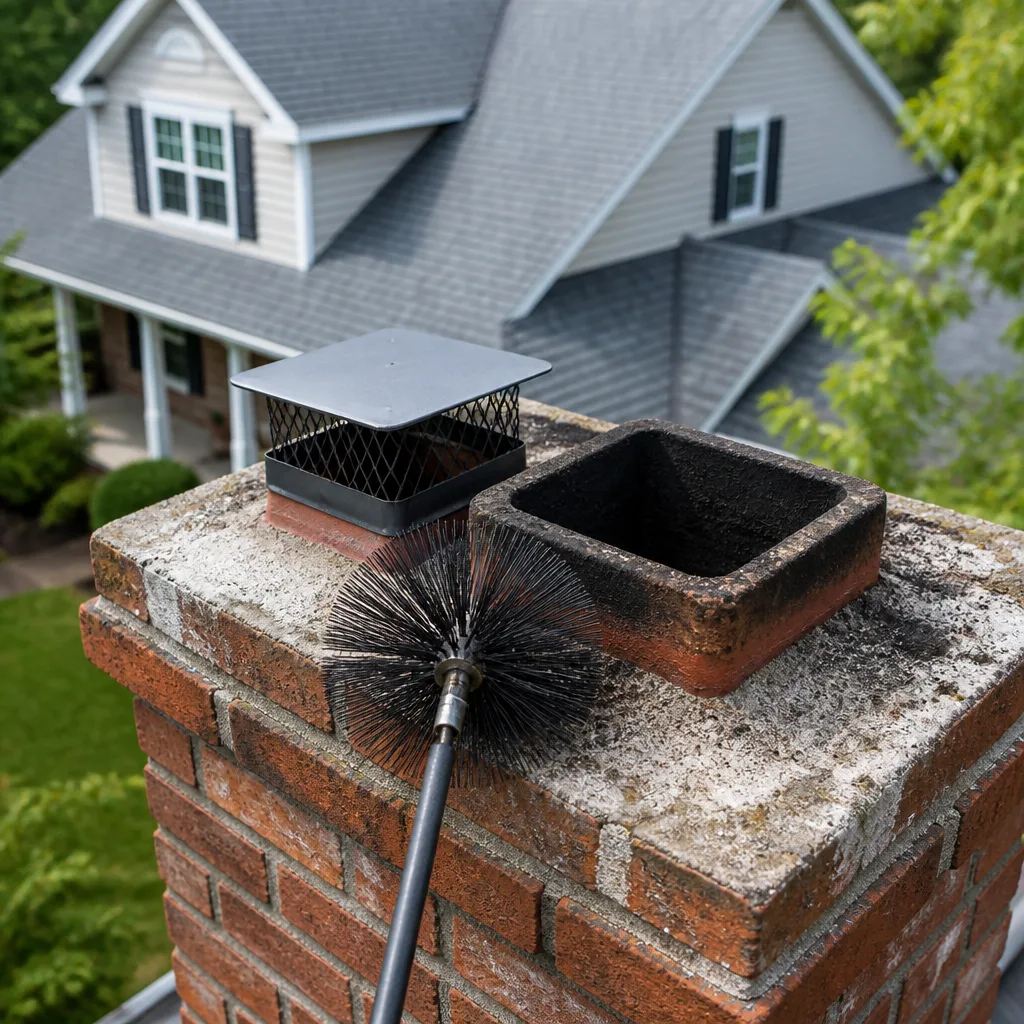
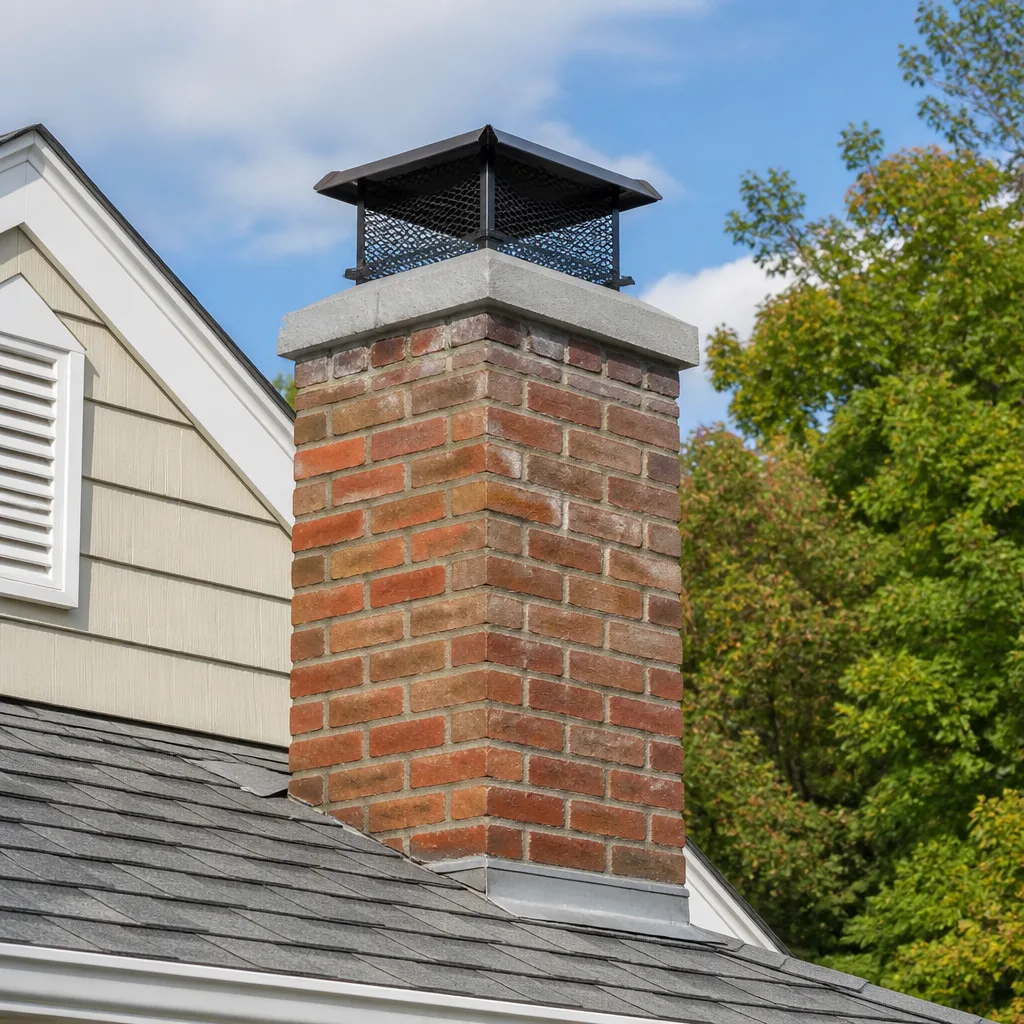
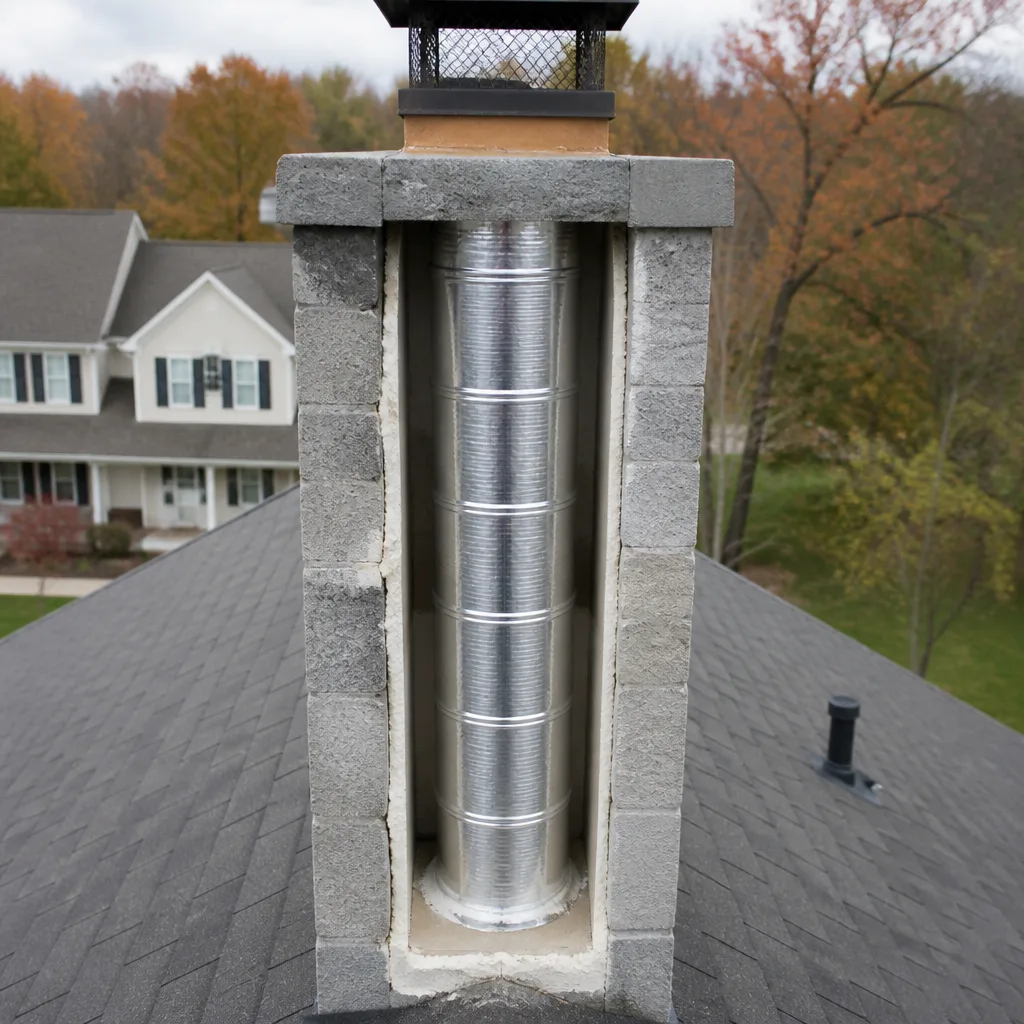
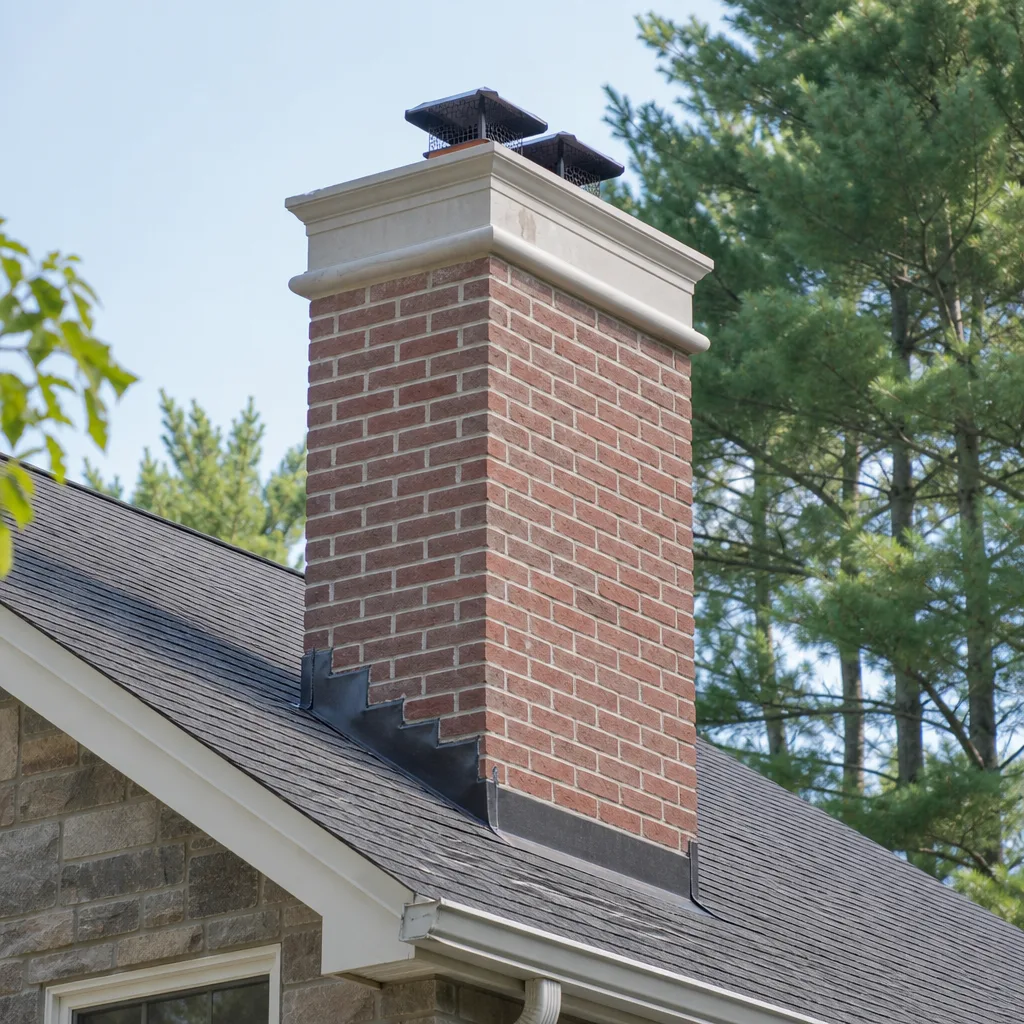
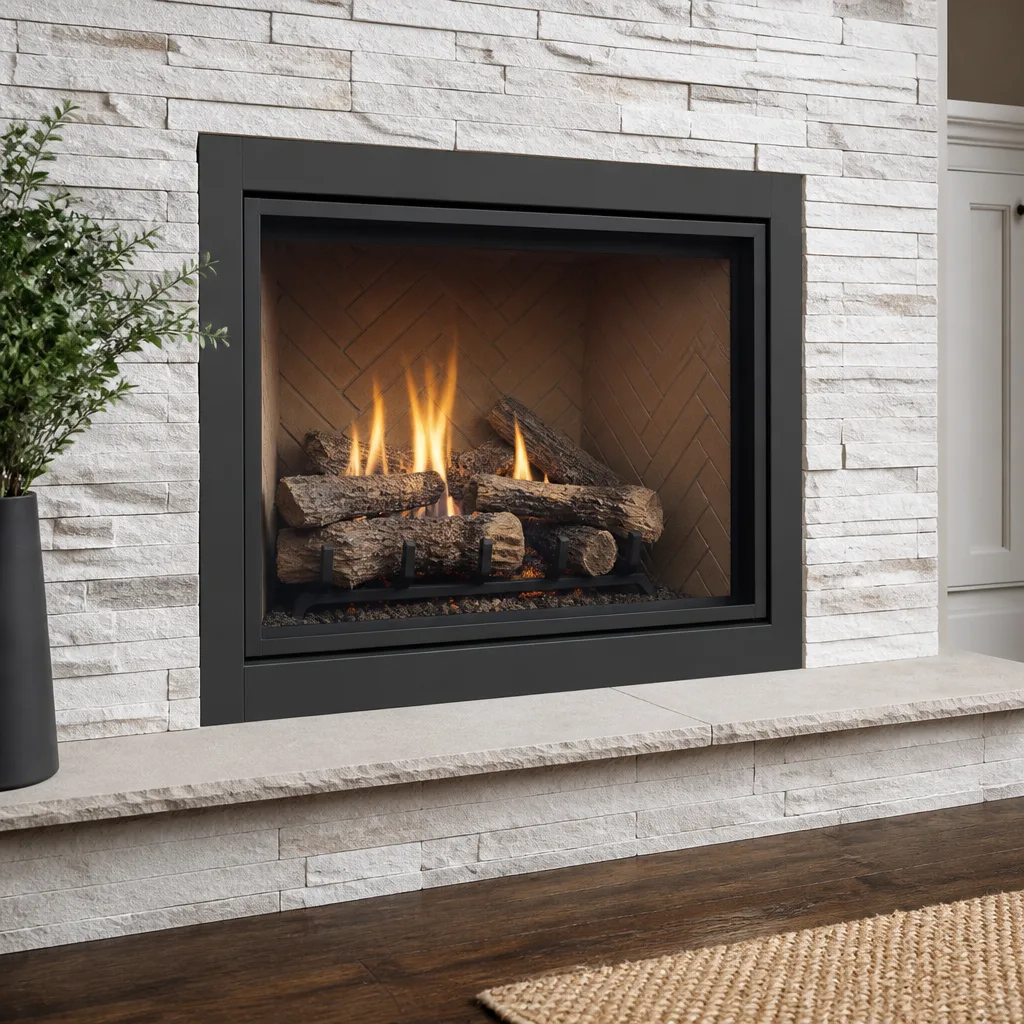
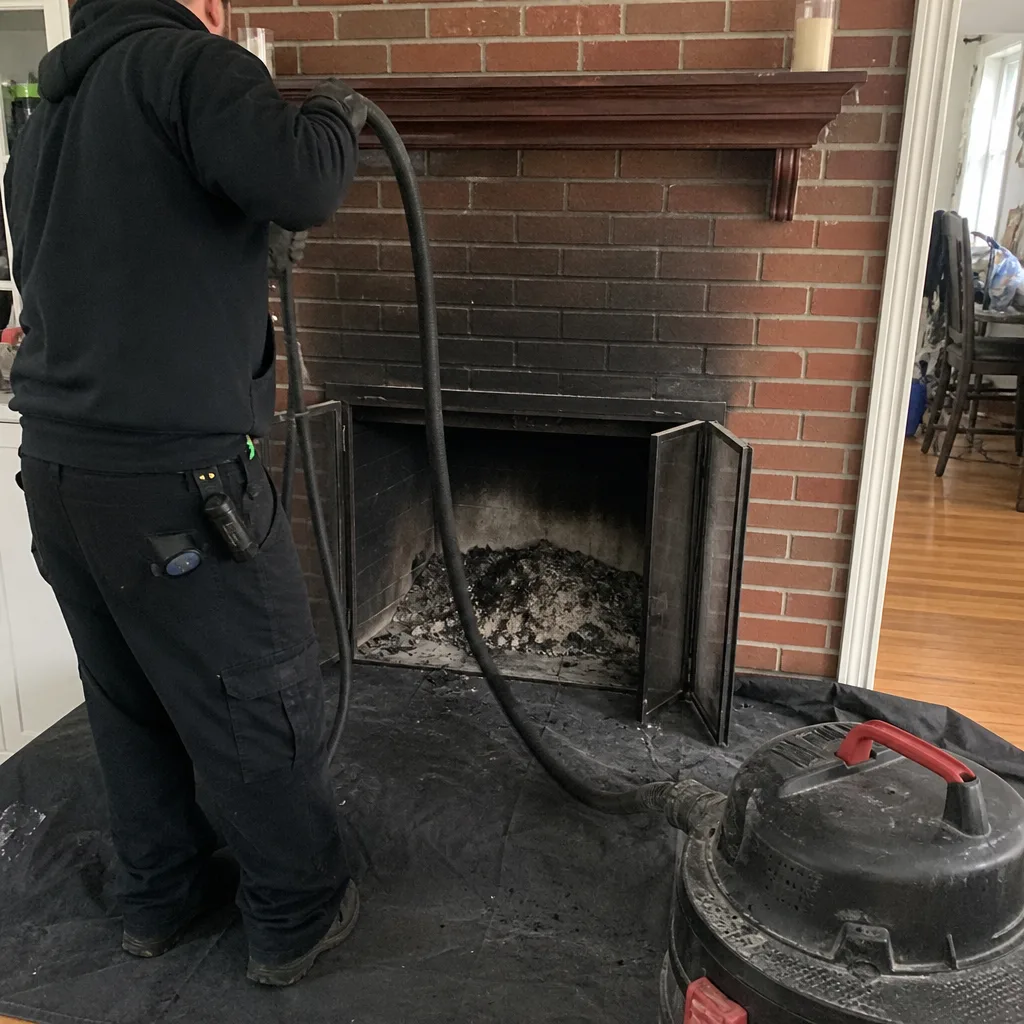 Before
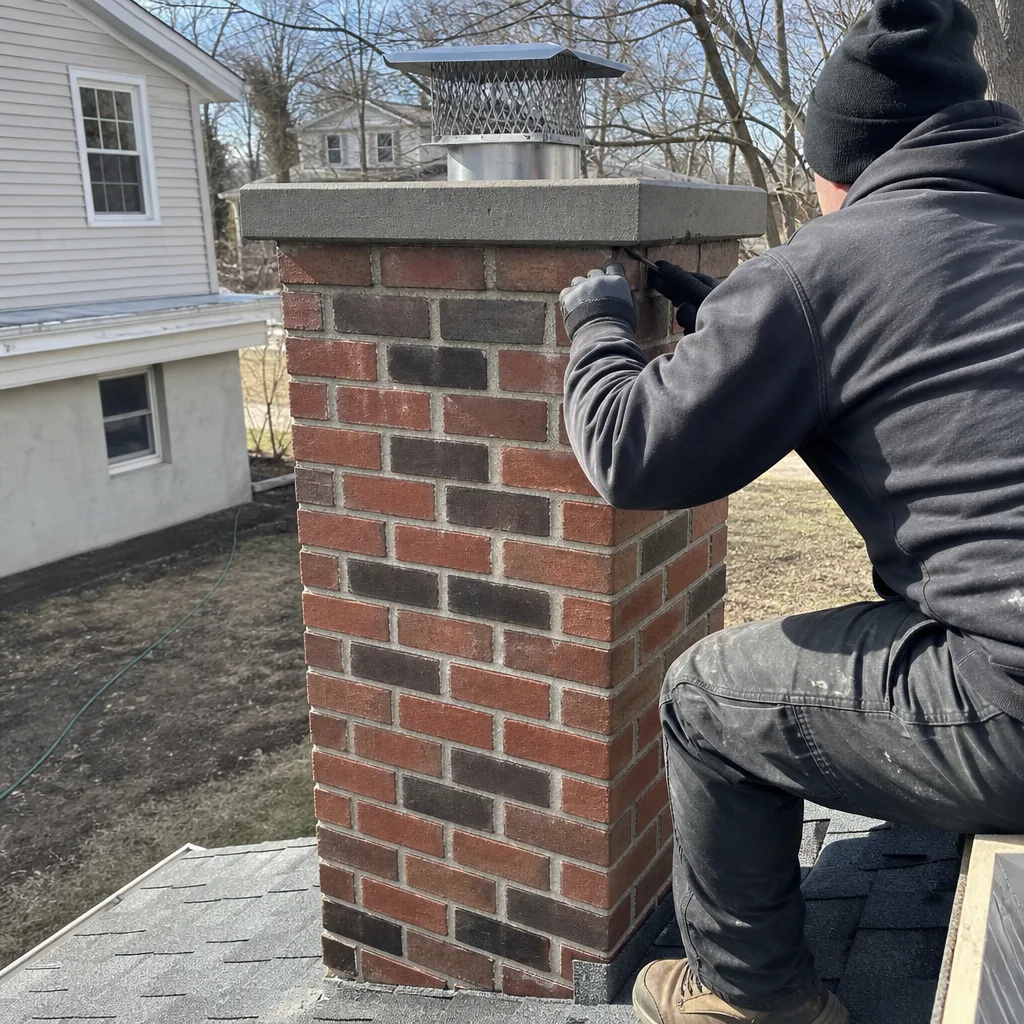 After
After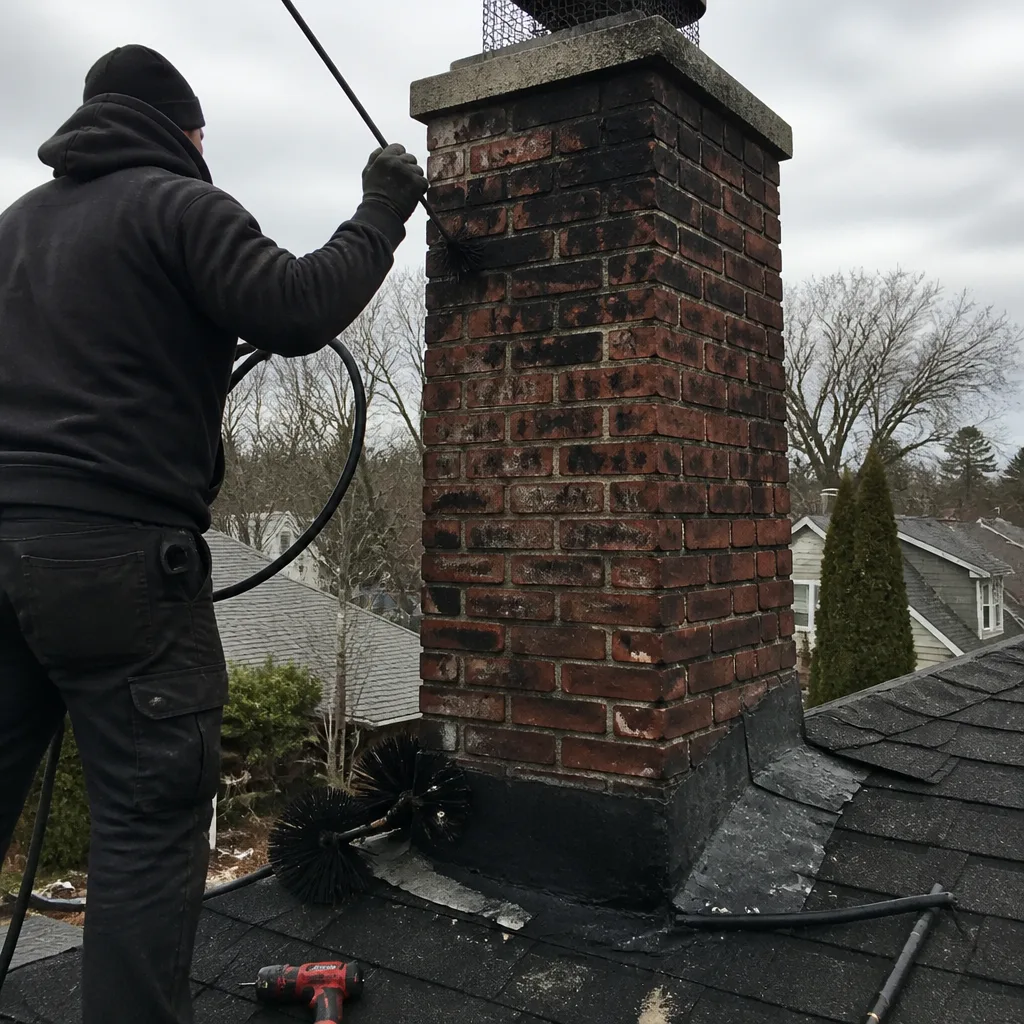 Before
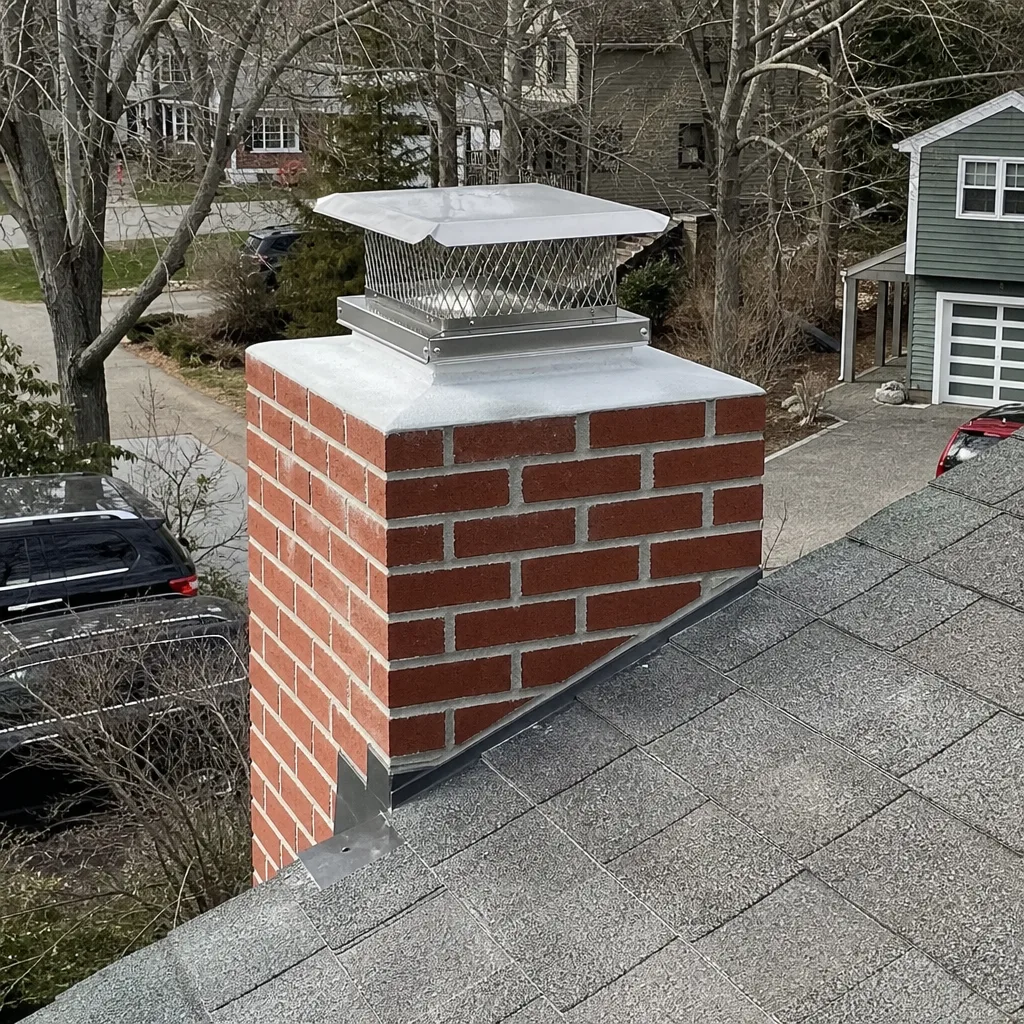 After
After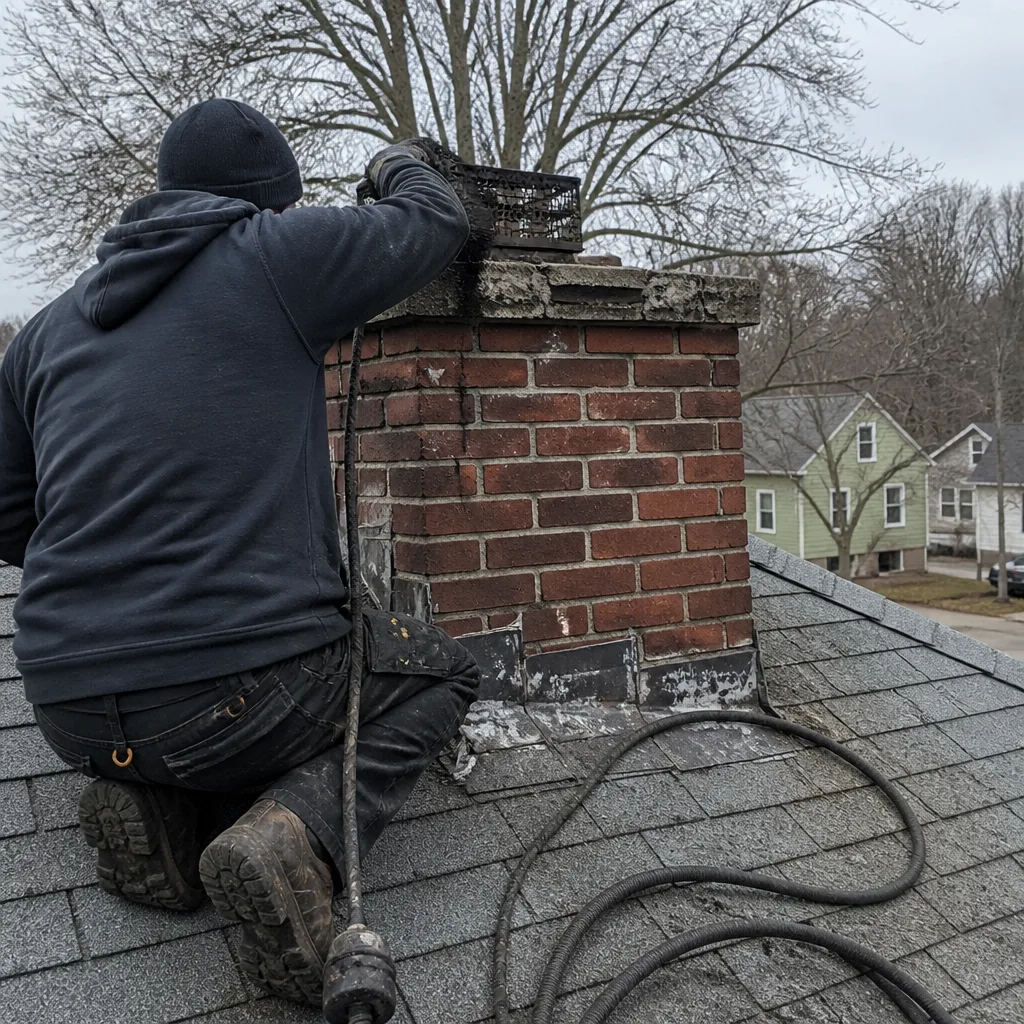 Before
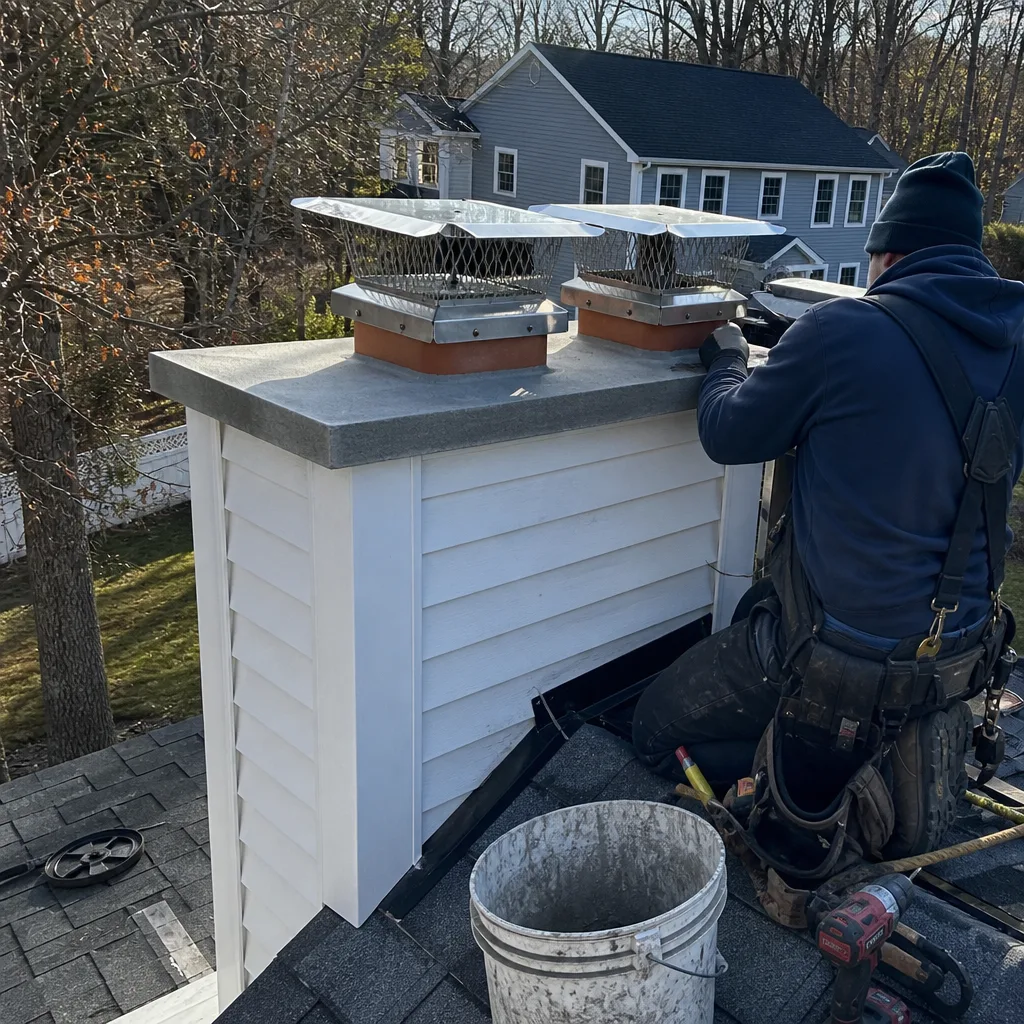 After
AfterChimney Cleaning Permits, Codes & Inspections in MA: What You Need to Know
Massachusetts General Law and the state building code both touch chimney maintenance, but neither explains itself in plain English. That’s why most homeowners in Wakefield and across the Commonwealth assume chimney cleaning requires no paperwork at all. That assumption is correct for cleaning, and dangerously wrong for relining or repair. In our 42 years of service, we’ve seen unpermitted liner installations void insurance claims after heating fires, and we’ve watched home sales stall because a seller’s “recent inspection” lacked the documentation a lender required. This guide untangles state code from local Wakefield enforcement so you know exactly where you stand before anyone strikes a match. For a deeper dive, see our Complete Guide to Chimney Cleaning in Wakefield.
Quick Answer
Routine chimney cleaning and standard Level 1 inspections in Massachusetts require no permit. However, chimney relining, rebuilding, structural repair, and any modification to appliance connectors or venting systems do require a permit under 780 CMR, the Massachusetts State Building Code. Wakefield’s Building Department enforces these rules locally, and work done without proper permitting can invalidate your home insurance coverage if a fire occurs.
Table of Contents
- Which Chimney Services Require Permits in Massachusetts?
- How 780 CMR References NFPA 211 and What It Means for Your Chimney
- Wakefield Building Department: Local Enforcement Process
- How Unpermitted Repairs Can Void Your Home Insurance
- What a Compliant Inspection Report Looks Like Under MA Code
- Chimney Inspections for Home Sales vs. Routine Cleaning Visits
- Common Mistakes to Avoid
- When to Call a Professional
- Frequently Asked Questions
Which Chimney Services Require Permits in Massachusetts?
The line between permit-required and permit-exempt chimney work in Massachusetts is sharper than most homeowners realize. Understanding this distinction before you hire a sweep can save you from red tape, rejected insurance claims, or a failed home inspection down the road. If you’re unsure whether your chimney needs attention, review our Chimney Cleaning Warning Signs: A Wakefield Homeowner’s Reference Guide.
No Permit Required
These services fall under routine maintenance and do not trigger building department review (see our Chimney Cleaning & Sweep Maintenance Checklist for Wakefield Homeowners):
- Chimney sweeping and cleaning - removal of creosote, soot, and debris from the flue and firebox
- Level 1 visual inspection - accessible portions examined without specialized equipment
- Chimney cap or rain pan replacement when no structural modification to the crown or flue is involved
- Fireplace damper repair or replacement of like-for-like components
- Exterior masonry waterproofing and routine crown sealing with products like HeatShield or Gelco coatings applied to existing surfaces
Permit Required
These activities alter the structure, venting characteristics, or safety systems of your chimney and require a permit under 780 CMR:
- Chimney relining - installation of a new flue liner, whether rigid stainless steel DuraFlex or other approved materials, because this changes the venting dimensions and clearance ratings
- Chimney rebuilding or partial reconstruction - any work affecting more than 25% of the masonry structure
- Crown replacement or structural modification - when the crown is rebuilt rather than simply resurfaced
- Appliance connector changes - modifying the connection between your heating appliance and the chimney flue
- Chimney height alterations - extending or reducing height, which affects draft and NFPA 211 clearance requirements
- Installation of new solid-fuel appliances - wood stoves, pellet stoves, or fireplace inserts vented through existing chimneys
In Wakefield, we’ve handled countless jobs where a homeowner called us for “just a cleaning” and we discovered during our chimney cleaning and sweep in Wakefield that the flue liner had deteriorated to the point of requiring replacement. We stop the job, explain the permit requirement, and help the homeowner navigate Wakefield’s Building Department before proceeding. A sweep who proceeds with relining without pulling a permit is putting your insurance coverage at risk.
The permit application in Wakefield requires a detailed scope of work, proof of contractor licensing, and often a copy of the inspection report documenting why the repair is necessary. Turnaround is typically 5-10 business days for standard review, though emergency heating-season requests can be expedited.
How 780 CMR References NFPA 211 and What It Means for Your Chimney
Massachusetts doesn’t write its chimney standards from scratch. The State Building Code, 780 CMR, adopts NFPA 211 (Standard for Chimneys, Fireplaces, Vents, and Solid Fuel-Burning Appliances) by reference, then layers state-specific amendments on top. This matters because NFPA 211 is a national code written for varied climates, and Massachusetts has modified it to account for our freeze-thaw cycles, coastal moisture, and dense housing stock.
Liner Clearance Requirements
NFPA 211 specifies minimum airspace between chimney liners and surrounding masonry. In Massachusetts, 780 CMR tightens these requirements for certain applications. For wood-burning appliances, the standard requires a 1/2-inch minimum airspace for insulated liners and full contact only where the liner is listed for zero-clearance installation. We use Copperfield and DuraFlex liner systems specifically because their listings comply with both NFPA 211 and Massachusetts amendments.
What this means in practice: if your Wakefield home was built before 1990 and still has its original clay tile liner, that liner may have been installed with no airspace documentation. When we perform a Level-2 camera inspection, we measure actual clearances and compare them to current code. If the existing installation doesn’t meet modern standards, we document this in writing with photos you can see. The plain-English verdict might be: “The liner is intact but non-compliant; replacement is recommended before installing any new appliance.”
Chimney Height Rules
NFPA 211 requires chimneys to terminate at least 3 feet above the roof penetration and 2 feet higher than any portion of the building within 10 feet. Massachusetts has not weakened this rule, but local enforcement in Wakefield adds practical considerations for our snow loads. A flue termination at exactly 3 feet above roof level may meet code on paper but can be buried by a single heavy Wakefield winter storm, causing dangerous downdrafts and carbon monoxide backup.
We typically recommend extending chimneys in Wakefield’s North Avenue and Montrose neighborhoods, where older capes and ranches have shallow-pitch roofs that accumulate snow against the chimney stack. This isn’t code-required, but it’s the kind of local judgment that comes from 42 years of watching what happens to chimneys through Massachusetts winters.
The “Listed and Labeled” Requirement
780 CMR requires all chimney components to be listed and labeled by an approved testing agency. This sounds technical, but it has real shopping implications. That decorative chimney pot you saw online? If it isn’t UL-listed or equivalent, your sweep cannot legally install it during permitted work. We source exclusively from Copperfield, DuraFlex, HeatShield, Gelco, and other brands whose listings are current and recognized in Massachusetts. No exceptions.
Wakefield Building Department: Local Enforcement Process
State code sets the floor. Local enforcement determines how that floor gets inspected, and Wakefield’s approach reflects the town’s character: thorough, methodical, and not interested in shortcuts.
When Wakefield Gets Involved
The Wakefield Building Department reviews permit applications for all structural chimney work, mechanical venting modifications, and solid-fuel appliance installations. They do not review or license chimney cleaning operations. This distinction is important. A sweep can clean your flue tomorrow with no government involvement. But if that same sweep discovers a failed liner and installs a replacement without a permit, both the sweep and the homeowner have violated 780 CMR.
Wakefield’s inspection schedule works as follows:
- Permit application submitted - homeowner or contractor provides scope, plans, and contractor licensing
- Rough inspection - for relining work, this occurs after old liner removal and before new liner installation, to verify masonry condition and clearance dimensions
- Final inspection - completed installation verified against approved plans and NFPA 211/780 CMR requirements
- Certificate of completion issued - required for insurance documentation and home sale disclosure
We’ve worked with Wakefield inspectors since the 1980s. They know our technicians by name, and they know we don’t call for final until the job is actually done right. That relationship matters when a homeowner needs work completed before a closing date or before the first frost.
When It’s Between You and Your Sweep
Cleaning, Level 1 inspections, and minor maintenance operate in a different regulatory space. No permit, no inspection, no government record. This is efficient for routine care but places full responsibility on the homeowner to choose a qualified professional. In Wakefield’s Greenwood and Lake Quannapowitt areas, we’ve seen homeowners show us “inspection reports” from uncertified sweeps that were essentially handwritten receipts with no diagnostic content.
Our fireplace services in Wakefield include documented Level-2 inspections with photos, even when no permit is required. The camera doesn’t lie, and the photos outlast any verbal assurance.
How Unpermitted Repairs Can Void Your Home Insurance
This is the section most chimney guides skip, and it’s the one that can cost you everything.
The Standard Policy Clause
Most Massachusetts homeowner policies contain a version of this language: “Coverage does not apply to loss caused by faulty, inadequate, or defective… design, specifications, workmanship, repair, construction, or renovation.” The clause is broad, and insurance adjusters use it aggressively after chimney fires. If your chimney fire is traced to a liner that was replaced without permit or inspection, the adjuster has a clear path to deny your claim.
We’ve seen this twice in our Wakefield service history, both times involving work done by out-of-state contractors who disappeared after cash payment. The homeowners saved money on the front end and lost their deductible, their coverage, and in one case, their kitchen to fire damage that went unreimbursed.
What Your Insurance Actually Wants to See
After a chimney fire, your insurer will request:
- Proof of annual cleaning (sweeping receipts or inspection reports)
- Documentation of any repairs, including permits and final inspection certificates
- Manufacturer specifications for any installed components
- Verification that work was performed by a licensed contractor
We provide all of this as standard practice. Every Hearthstone job generates a written report with photos, component specifications, and permit documentation when applicable. The 90-Day Done Right Promise covers the workmanship, but the paperwork protects your coverage.
The Secondary Risk: Carbon Monoxide
Chimney fires make headlines. Carbon monoxide poisoning does not, but it’s more common and equally tied to code compliance. An improperly sized or unlisted liner can cause incomplete combustion and CO infiltration. Most policies have separate limitations on CO claims, and unpermitted venting modifications can trigger the same workmanship exclusion. This is not scare-selling. It’s the reason we treat every liner installation as a life-safety system, not a commodity.
What a Compliant Inspection Report Looks Like Under MA Code
Not all inspection reports are created equal, and Massachusetts code implies standards even where it doesn’t explicitly mandate report formats. A report that meets professional and legal expectations contains specific elements that protect both the homeowner and the sweep.
Required Elements for Code Compliance
A Massachusetts-compliant chimney inspection report should include:
- Property identification - address, date, weather conditions, and appliance type
- Inspection level declared - Level 1, 2, or 3 per NFPA 211 definitions
- Accessible areas examined and specific areas excluded with reason
- Photographic documentation of flue interior, firebox, damper, smoke chamber, exterior masonry, and crown
- Clearance measurements to combustibles where accessible
- Code references for any deficiencies noted (780 CMR section, NFPA 211 edition)
- Plain-English verdict - not just “recommend repair” but “the flue liner shows vertical cracking exceeding 1/4 inch; replacement required before next burning season per NFPA 211-2019 11.2”
- Technician identification and company credentials
Our reports run 8-15 pages for a typical Level-2 inspection. The photos are timestamped and geotagged. The verdict is written for a homeowner, not an engineer, but it references the code section that supports every recommendation. If a Wakefield homeowner later needs to show their lender or insurance company that due diligence was performed, this documentation answers before the question is asked.
The Difference Between “Clean” and “Compliant”
A chimney can be clean and non-compliant. We’ve swept flues in Wakefield’s Dolbeare neighborhood that were spotless but lined with unlisted flexible ducting a previous owner had installed. The creosote was gone. The fire hazard remained. Our report documented both conditions separately: “Flue free of combustible deposits. Liner material not listed for solid-fuel application per 780 CMR. Replacement with listed stainless steel liner recommended.”
This precision matters when you’re selling. A buyer’s inspector who finds undocumented liner material can torpedo a sale, or force a last-minute credit that costs thousands more than preventive replacement would have.
Chimney Inspections for Home Sales vs. Routine Cleaning Visits
The chimney inspection you need when you’ve lived in your Wakefield home for twenty years is different from the inspection you need when you’re listing it. Understanding this distinction prevents surprises at closing and ensures you’re not paying for the wrong service.
Routine Cleaning Visit: Level 1 Inspection
Annual maintenance for a system you know and use requires a Level 1 inspection per NFPA 211. This is visual, accessible, and focused on continued safe operation. We check for creosote buildup, obstruction, and obvious deterioration. If you’ve burned cordwood in Wakefield for two decades and your system is unchanged, this is usually sufficient.
Our chimney repair in Wakefield services begin with this baseline when no changes have occurred. We document what we see, clean what needs cleaning, and flag anything that warrants deeper examination.
Home Sale Inspection: Level 2 Inspection Required
Massachusetts does not legally mandate Level 2 inspections for home sales, but lenders and insurers increasingly require them. A Level 2 inspection includes everything in Level 1 plus:
- Video camera examination of the entire flue interior
- Attic and crawl space access to check clearances to combustibles
- Inspection of accessible portions of the chimney exterior
- Verification of proper installation and connection of appliances
- Documentation suitable for transfer to new owners
In Wakefield’s competitive market, a pre-listing Level 2 inspection with full documentation can be a selling advantage. Buyers’ inspectors find less to negotiate, and sellers avoid the 11th-hour discovery that delays closing. We recommend this especially for homes near Lake Quannapowitt, where seasonal humidity cycles accelerate masonry deterioration that a Level 1 inspection might miss.
The Transferable Report
Our inspection reports are written to transfer with the property. The new owner receives the same documentation we provided the seller, including photos, measurements, and any recommendations with timelines. If we noted “crown showing hairline cracking; monitor annually; expect replacement in 3-5 years,” that projection helps the buyer budget and demonstrates the seller’s good faith disclosure.
Common Mistakes to Avoid
- Hiring a sweep who can’t explain permit requirements. If they don’t know when Wakefield requires a permit, they don’t know enough to protect your insurance coverage. Ask directly: “Will this job require a building permit?” The answer should be immediate and specific.
- Accepting a handwritten receipt as an inspection report. Massachusetts code may not mandate report format, but your insurance company and your buyer’s lender will expect professional documentation. A scrap of paper with “chimney OK” written on it is worthless in a dispute.
- Assuming previous owners pulled permits for visible repairs. We regularly find unpermitted liner installations in Wakefield homes where the current owner has no records. Before you buy, request permit history from the Wakefield Building Department. After you buy, have us camera-inspect regardless of what the seller disclosed.
- Delaying Level 2 inspection until the buyer demands it. Pre-listing discovery lets you control timing and pricing. Last-minute discovery lets the buyer control both. In Wakefield’s spring market, a two-week repair delay can cost a sale.
- Using unlisted components to save money. That discount cap or damper may fit perfectly and fail catastrophically. Unlisted components void permits, invalidate inspections, and give insurers an exclusion to cite. We install only listed materials from recognized brands.
- Treating chimney cleaning as a commodity purchase. The lowest bid for sweeping may be fine. The lowest bid for relining is a warning. In our experience, the sweeps who cut prices on complex work are the ones who skip permits, use unlisted materials, or disappear when problems emerge.
- Failing to verify contractor licensing with the state. Massachusetts requires construction supervisors for structural chimney work. Ask for the license number and verify it through the Office of Consumer Affairs and Business Regulation. We provide this on request, every time.
When to Call a Professional
Call a qualified chimney professional when you’re buying a home with an unknown maintenance history, when your annual cleaning reveals conditions beyond simple soot removal, when you’re installing any new heating appliance, or when you’re preparing to list your property. In Wakefield, where winter temperatures regularly drop below 20°F and heating systems run hard for five months, chimney integrity is not a deferred maintenance item.
Specifically, contact us if you notice: smoke backing up into the room, a persistent creosote odor even when the fireplace isn’t in use, visible cracking in exterior masonry, or water staining on walls or ceilings near the chimney stack. These symptoms indicate conditions that a cleaning alone won’t resolve.
Hearthstone Chimney Co. offers free estimates in Wakefield. Call (857) 364-8219. A live person answers every call, 24 hours a day, every day. We’ll schedule a Level-2 camera inspection, show you exactly what we find, and give you a plain-English verdict with upfront pricing before any work begins. Most jobs are completed in a single visit by background-checked, uniformed technicians. And everything we do is backed by the 90-Day Done Right Promise: in writing, no arguing.
Frequently Asked Questions
No. Routine chimney sweeping, creosote removal, and standard Level 1 visual inspections do not require a building permit anywhere in Massachusetts, including Wakefield. However, if your sweep discovers conditions requiring relining, rebuilding, or structural repair, those subsequent repairs will need permitting through your local building department. Call (857) 364-8219 for a free estimate if you’re unsure what your chimney needs.
A Level 1 inspection bundled with cleaning typically runs $200-$350 in the Wakefield market. A Level 2 camera inspection, recommended for home sales or when system changes have occurred, generally ranges $300-$450 depending on roof access and chimney configuration. Our $89 Seasonal Tune-Up includes basic inspection and maintenance for qualifying systems. Call (857) 364-8219 for exact pricing on your specific chimney.
Accumulated creosote becomes increasingly difficult to remove and increasingly combustible. In Wakefield’s climate, where freeze-thaw cycles open small masonry cracks that draw moisture, deferred maintenance accelerates liner deterioration and crown failure. We’ve rebuilt chimneys that could have been saved with timely cleaning and minor repair. The cost difference is typically tenfold. Schedule an inspection to assess your current condition.
Clay tile liners can last decades if properly maintained and if the appliance they’re serving hasn’t changed. However, if tiles are cracked, flaking, or missing; if you’ve installed a new stove or insert; or if your chimney was built before modern clearances were required, replacement is often necessary for code compliance and insurance coverage. We never recommend replacement without camera evidence you can see yourself. Call (857) 364-8219 to schedule a documented inspection.
NFPA 211 recommends annual inspection, with cleaning frequency determined by use and fuel type. Wood-burning systems in regular use should be swept annually, or when creosote buildup exceeds 1/8 inch. Oil and gas systems typically need less frequent cleaning but still require annual inspection for venting integrity. In Wakefield, where many homeowners burn mixed hardwoods from local sources, we find annual sweeping prevents the heavy glaze creosote that requires chemical treatment.
Standard policies cover sudden, accidental fire damage but exclude losses caused by faulty workmanship or lack of maintenance. If your chimney fire results from unpermitted repairs, unlisted components, or documented neglect (years without cleaning), your claim may be denied. Maintaining annual inspection records and permit documentation for all repairs protects your coverage. We provide documentation designed to satisfy insurer review.
The Bottom Line
Chimney cleaning in Massachusetts requires no permit. Chimney repair, relining, and structural work absolutely do. The Massachusetts State Building Code, 780 CMR, adopts NFPA 211 with state-specific amendments that affect liner clearances, component listings, and installation standards. Wakefield enforces these rules through its Building Department, and work done outside this process can void your insurance when you need it most. A compliant inspection report documents conditions in writing with photos, protects your coverage, and smooths home sales. Choose a sweep who understands this regulatory landscape, provides documented evidence for every recommendation, and stands behind the work with a written guarantee. Done right - and we stand behind it.
Written by Russell Haines, Owner at Hearthstone Chimney Co., serving Wakefield since 2014.