
Last updated September 10, 2026
Level 1 sweep and inspection to the NFPA 211 annual standard - flue, crown, cap, and flashing checked and photographed
Chimney sweep logs do not sweep chimneys. They loosen some creosote - which then falls where a brush and vacuum still have to collect it.
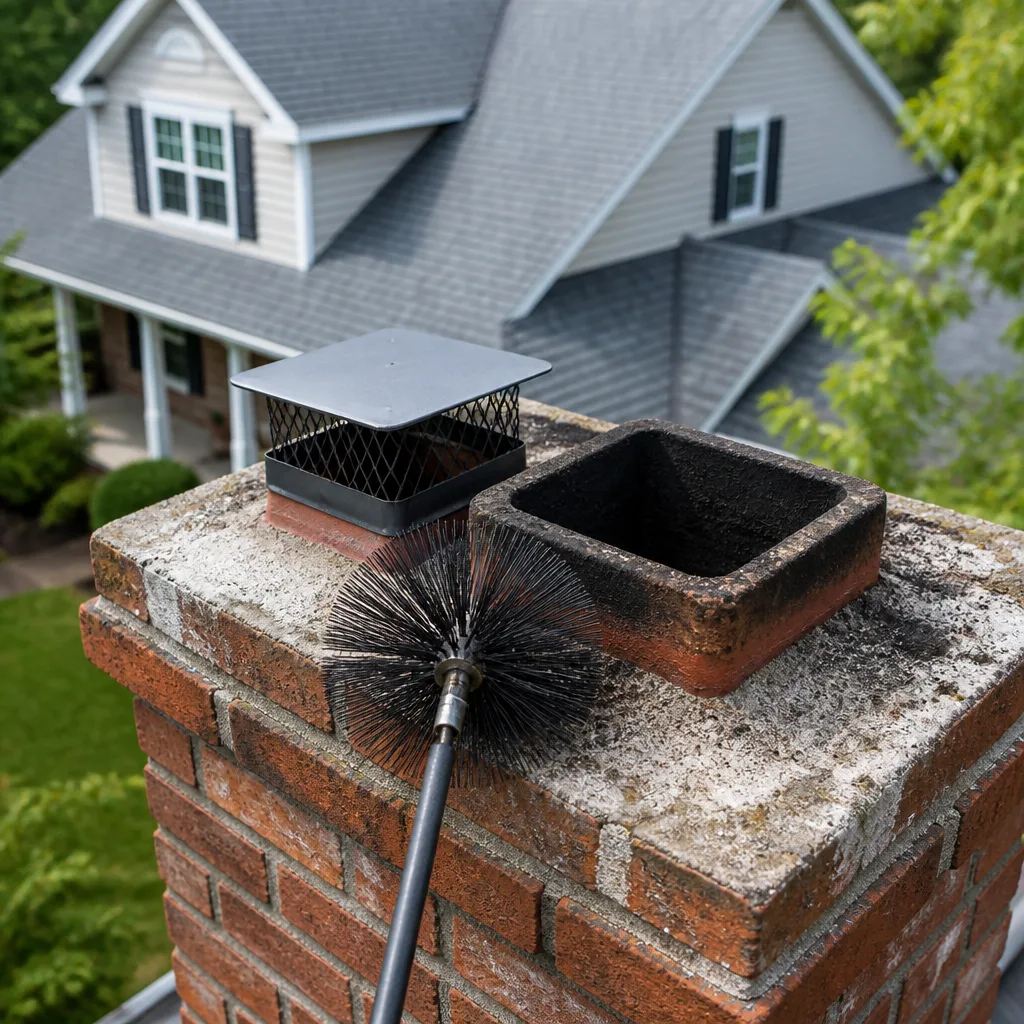
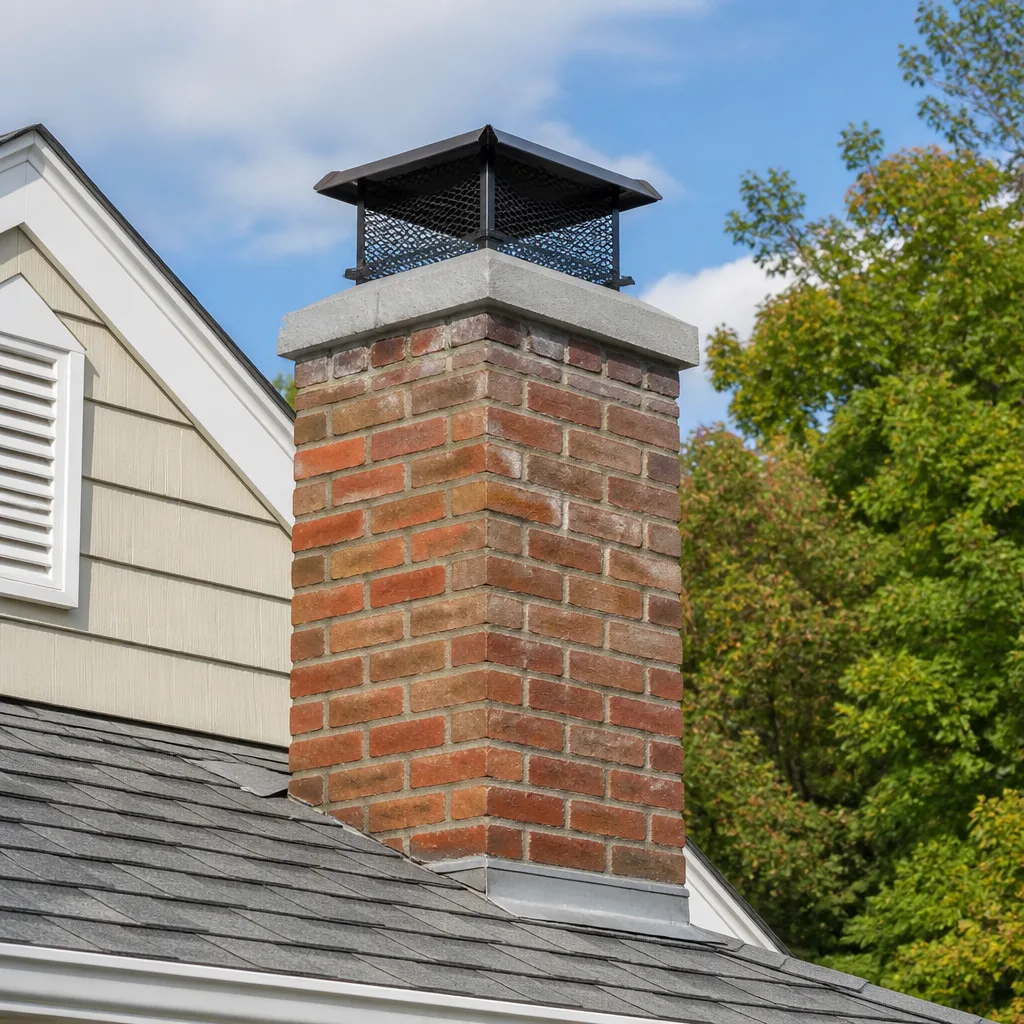
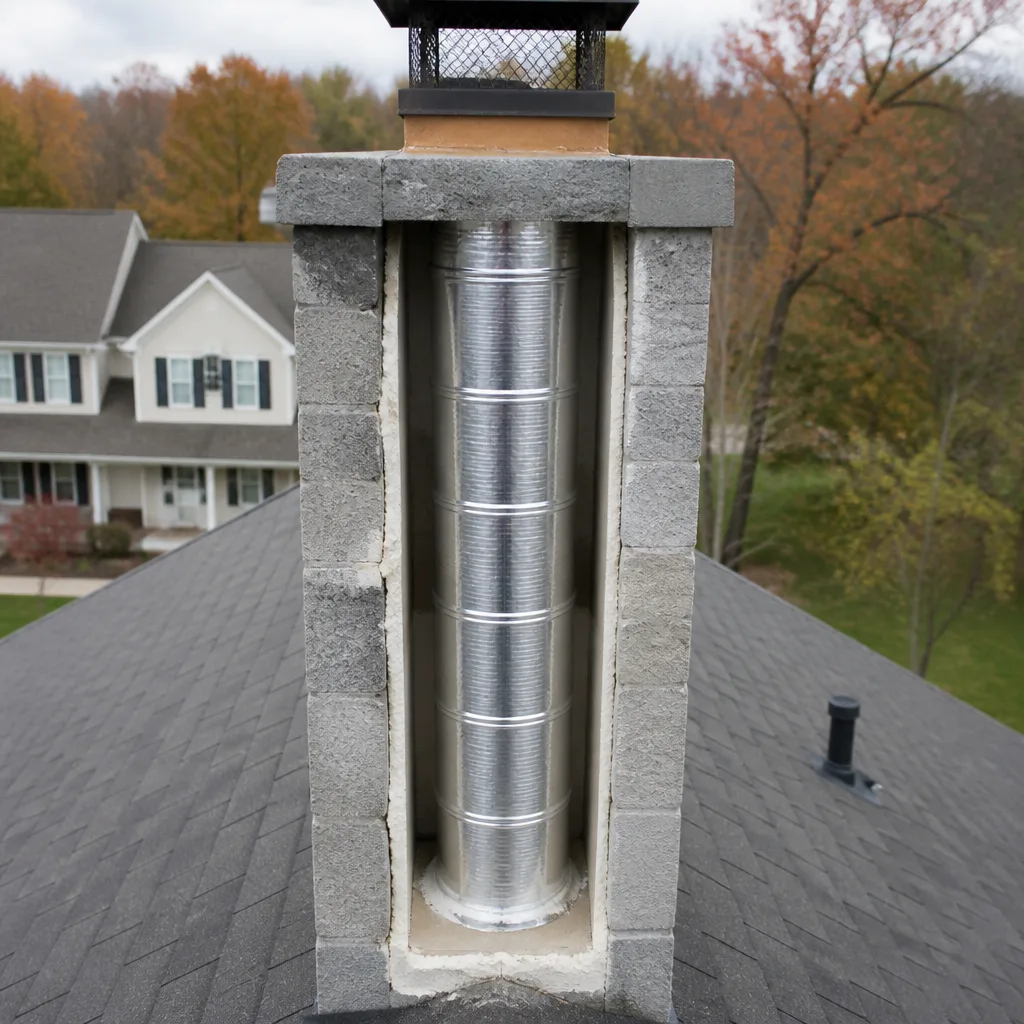
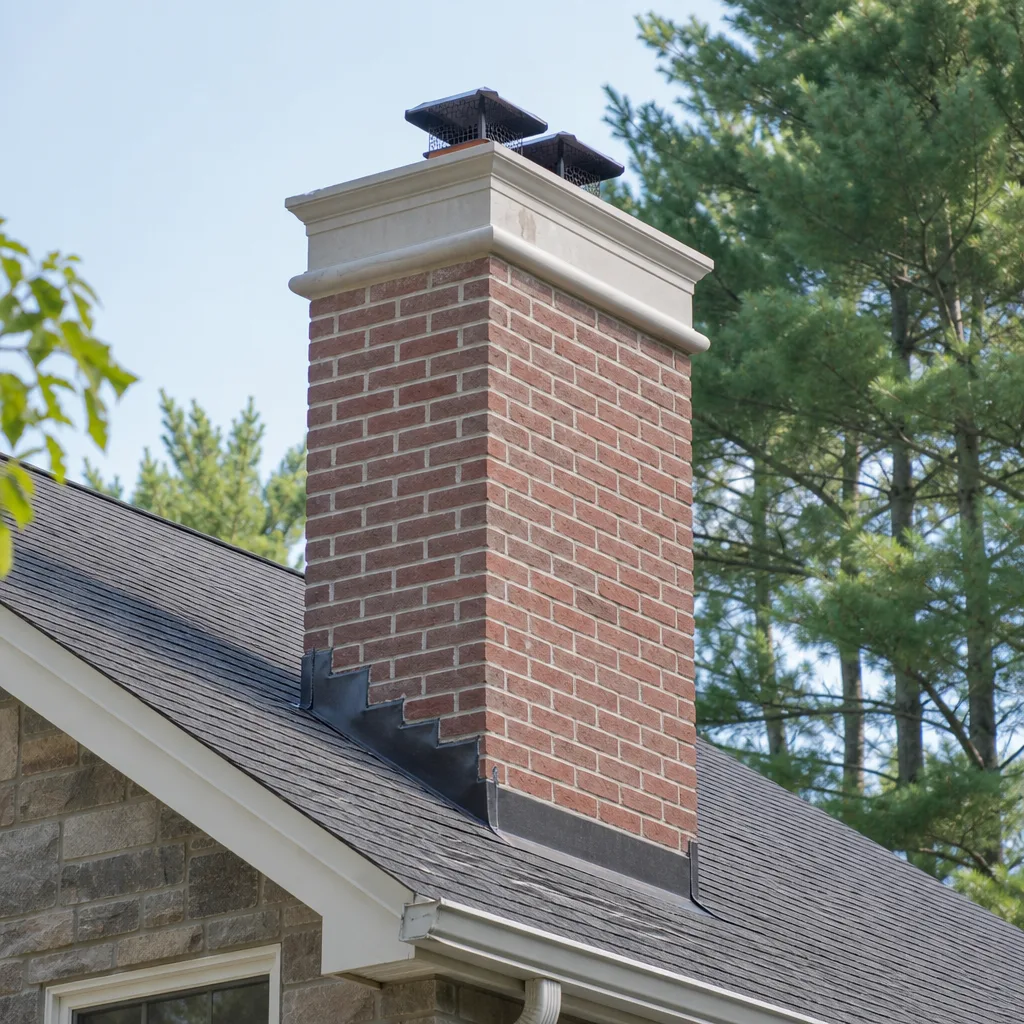
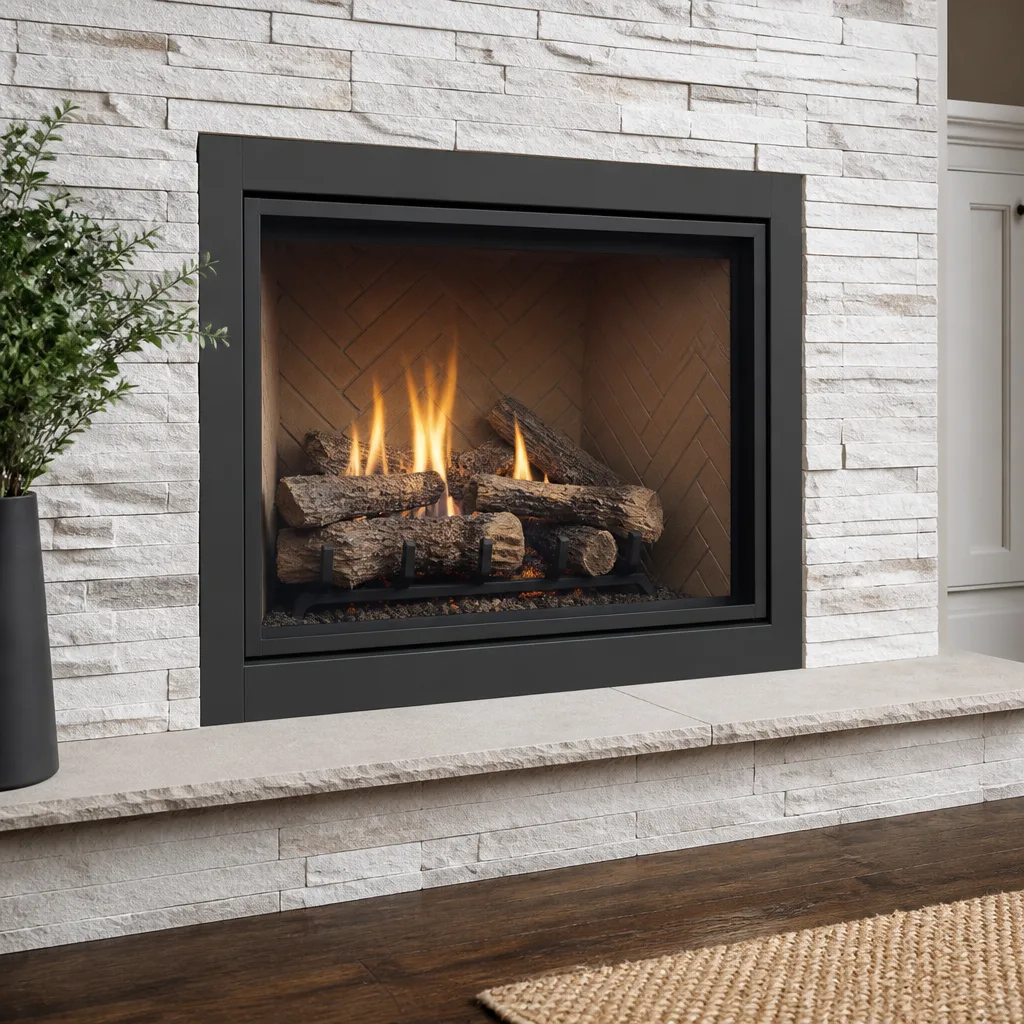
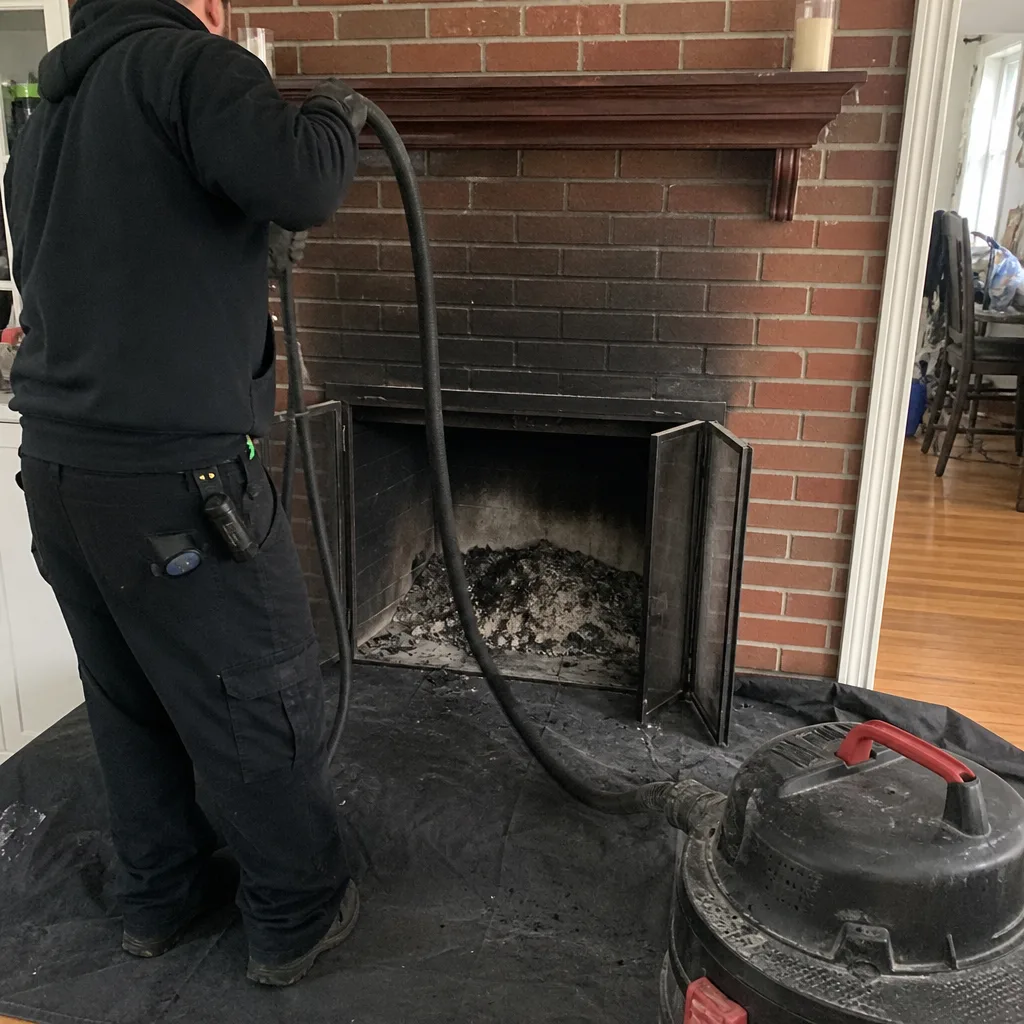 Before
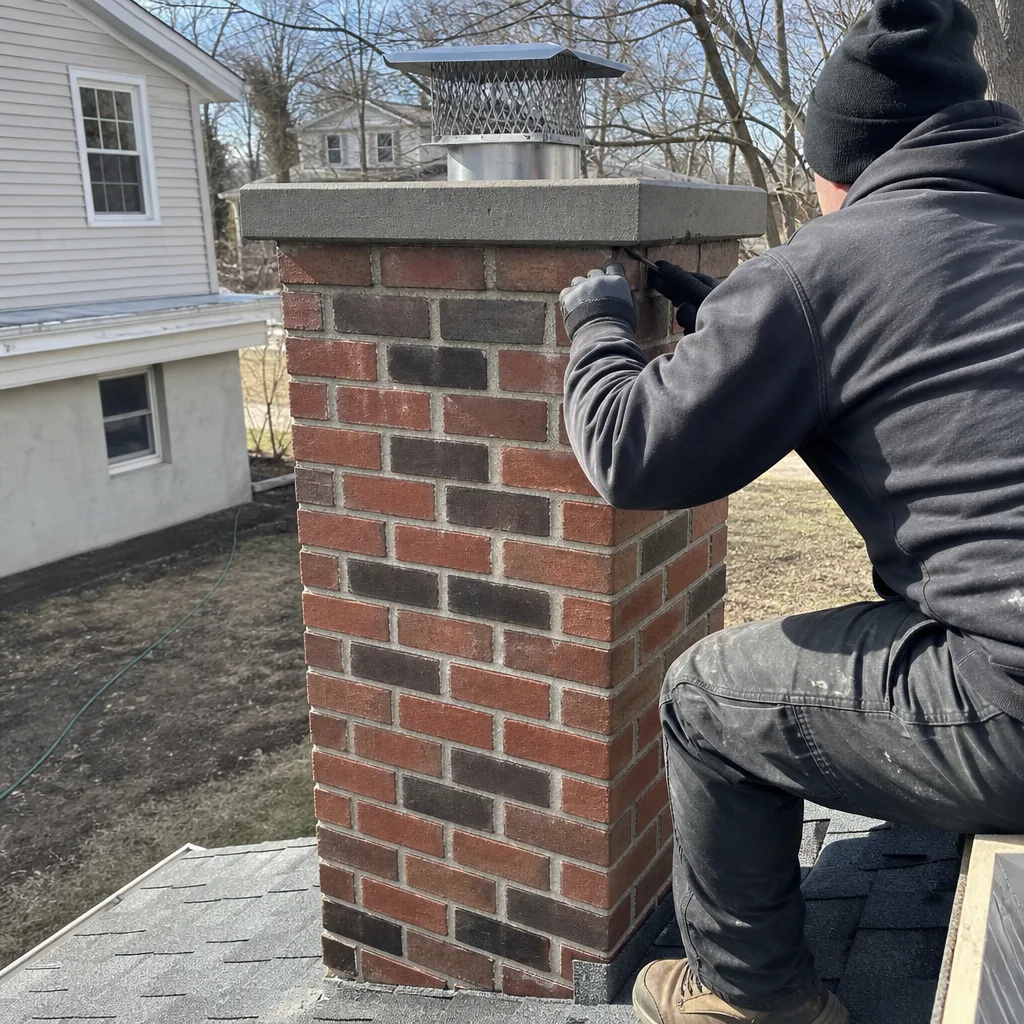 After
After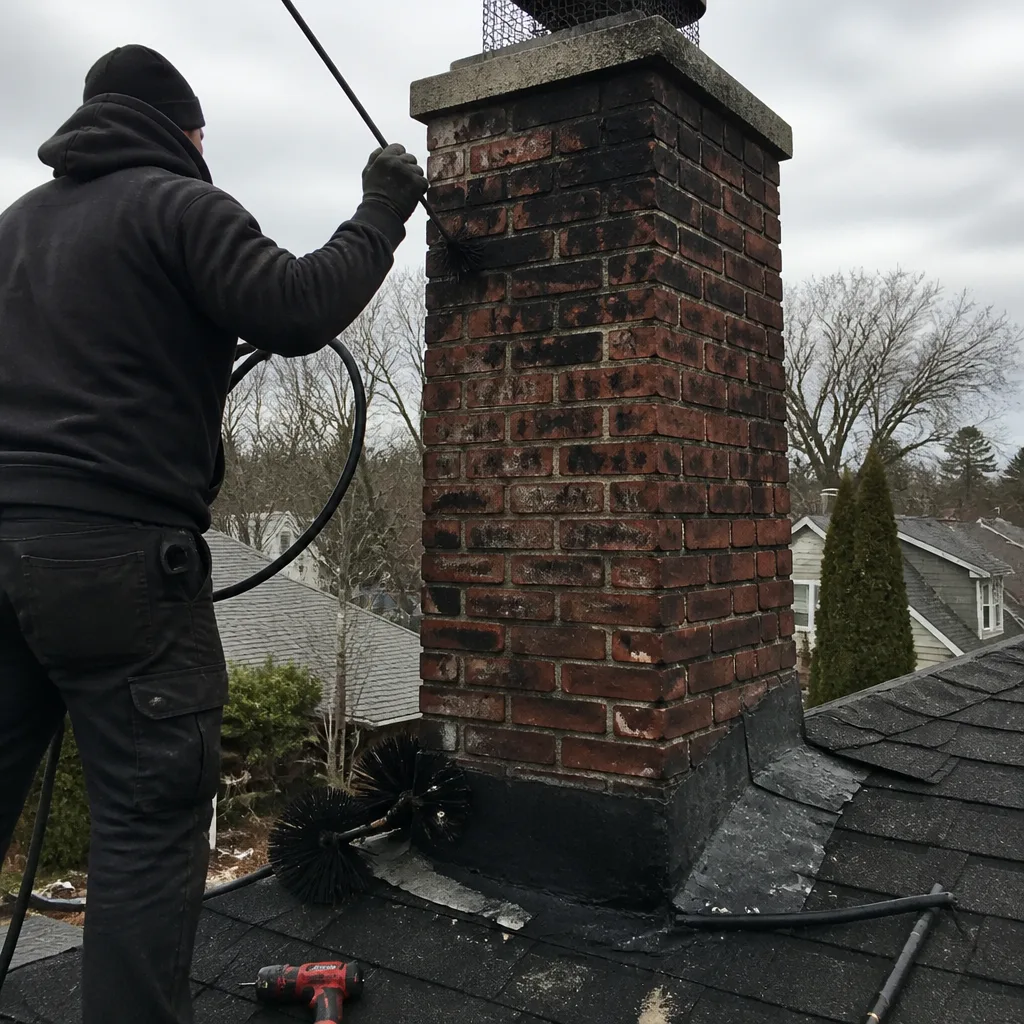 Before
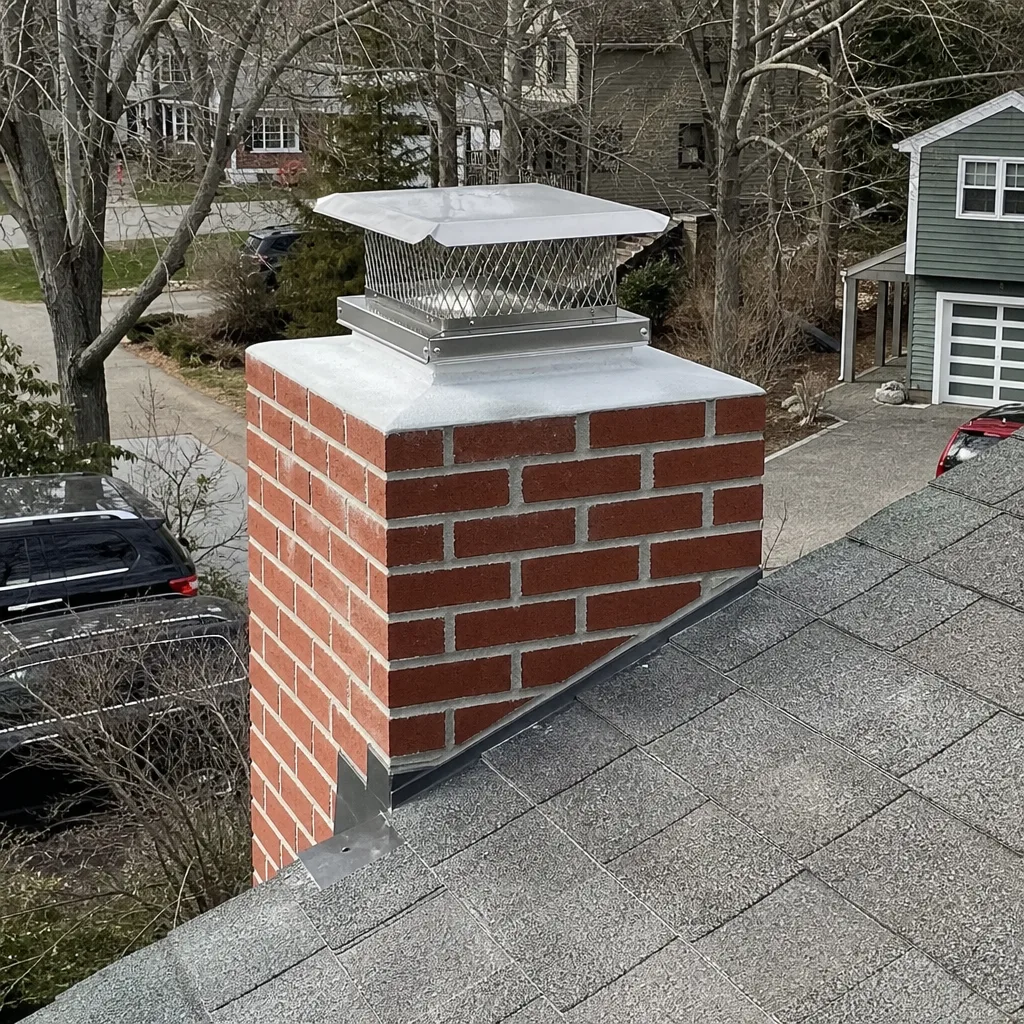 After
After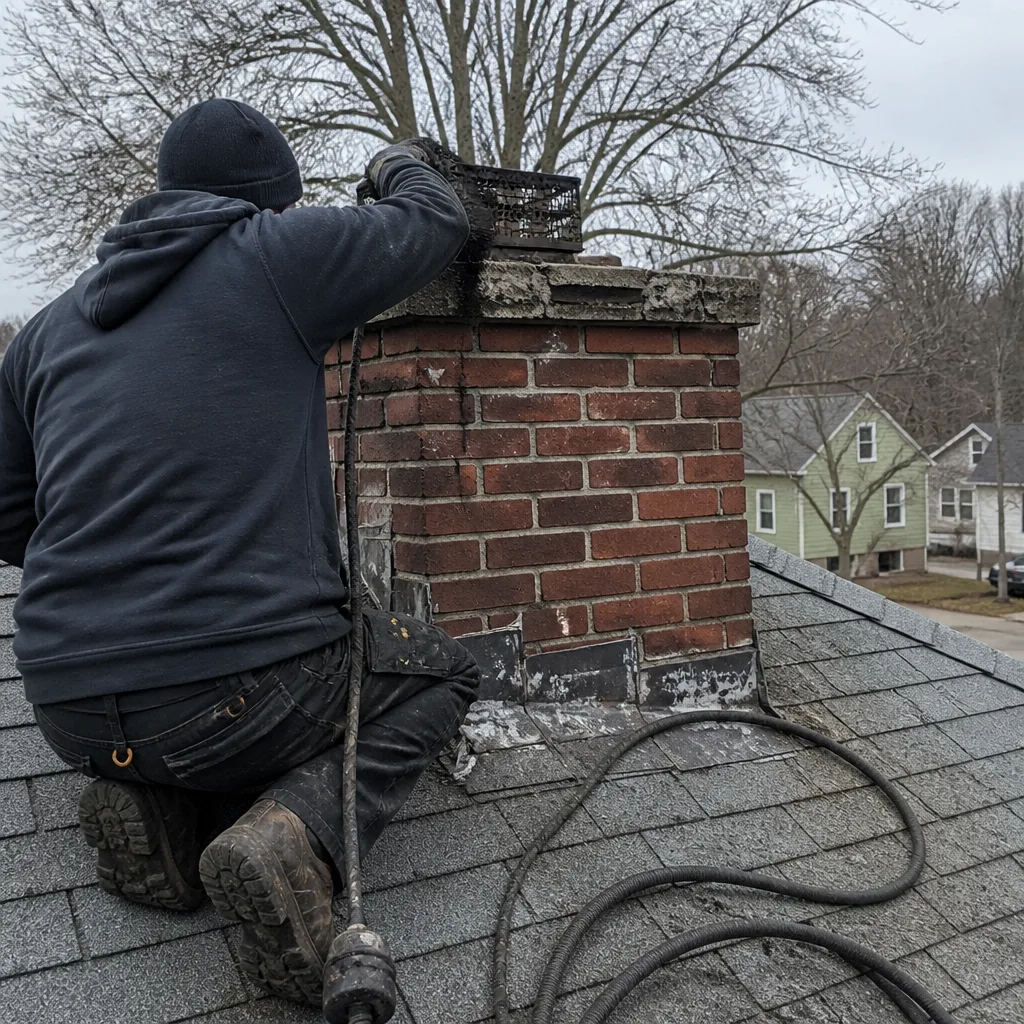 Before
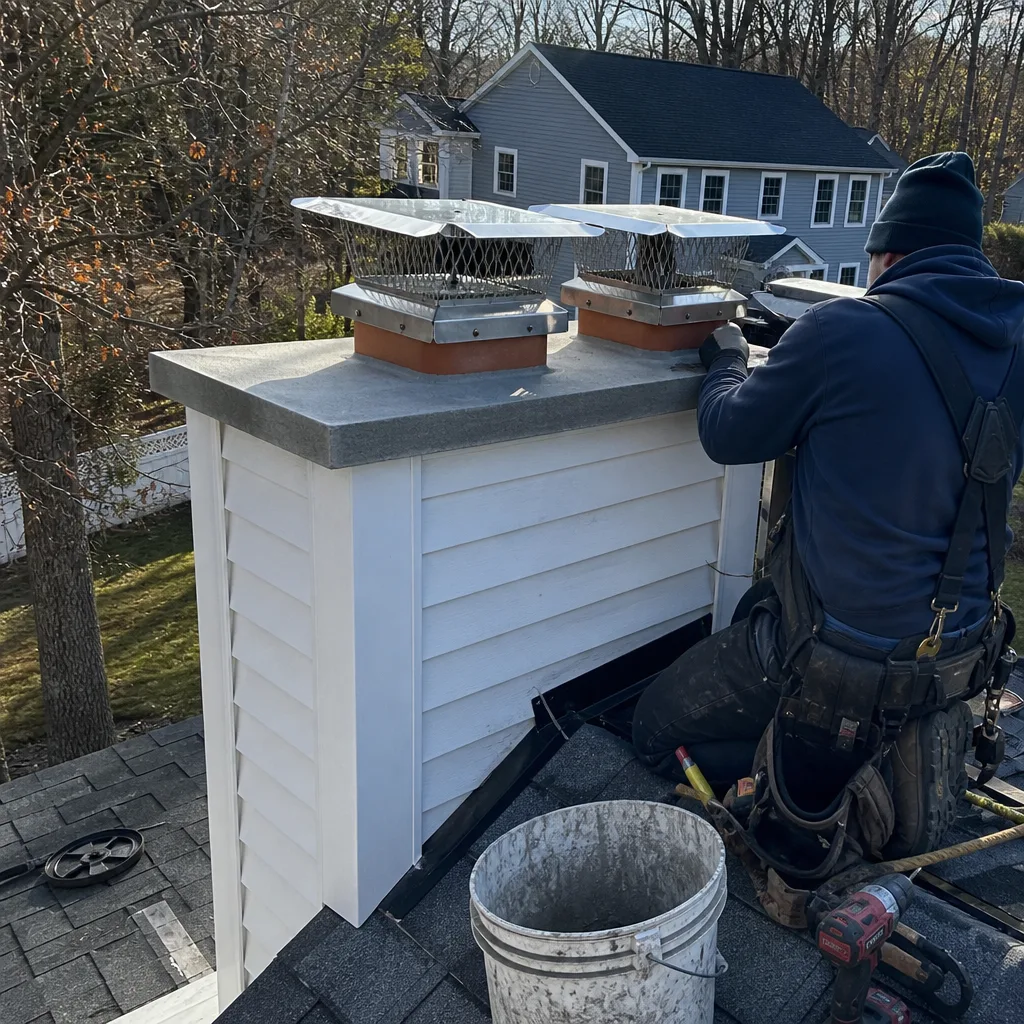 After
AfterDIY vs Professional Chimney Cleaning: The Wakefield Homeowner’s Decision Guide
You can absolutely clean your own chimney flue. Sweeps do it the same way - brushes, rods, drop cloths. What a brush can’t do is tell you whether the tile you just scraped past has a hairline fracture running six inches up the liner. That’s not a sales pitch; that’s physics. In Wakefield, where half the housing stock was built before 1980 and many chimneys have survived oil-to-gas conversions, the question isn’t whether you’re capable of running a brush. It’s whether a brush gives you enough information to bet your house on. This guide maps exactly where the line sits between what you can safely handle yourself and what requires a trained eye, professional equipment, and documentation that protects you if something goes wrong.
Quick Answer
DIY chimney cleaning in Wakefield is reasonable for light, Stage 1 creosote removal in a well-maintained system with straight flue access and a recent professional inspection on record. For Stage 2 or 3 creosote, any chimney over 40 years old, or systems that have undergone fuel conversions, professional cleaning with a Level-2 camera inspection is the safer choice - and the only method that generates the documentation most fire insurance policies expect after a claim.
Table of Contents
- What DIY Cleaning Actually Accomplishes
- The Equipment Gap: What Brushes Can’t See
- Wakefield Chimney Conditions That Change the Math
- The Insurance and Liability Question
- Cost Comparison: DIY vs. Professional in Wakefield
- Three Questions to Decide in Five Minutes
- Common Mistakes to Avoid
- When to Call a Professional
- Frequently Asked Questions
- The Bottom Line
What DIY Cleaning Actually Accomplishes
Let’s start with what works. A homeowner with basic mechanical skills, a stable ladder, and a brush-and-rod kit from a hardware store can accomplish three things that genuinely matter for chimney maintenance.
Light creosote removal (Stage 1). Stage 1 creosote is flaky, dusty, and brushes off like soot. It forms when you burn properly seasoned hardwood, maintain adequate air supply, and keep fires hot. If your chimney has been professionally inspected within the last year and the sweep noted only light buildup, a DIY cleaning between professional visits can maintain draft efficiency and reduce odor. Brush the flue from the top down or bottom up, work slowly, and expect to spend 90 minutes to two hours on a single-story system.
Smoke shelf and firebox debris clearing. The smoke shelf sits behind the damper and collects fallen debris, bird nests, and ash that bypasses the grate. It’s accessible from the firebox with a flashlight, a small shovel, and a vacuum with a HEPA filter. Clearing this area improves draft and reduces the fuel load if a spark escapes the firebox. In Wakefield’s oak-heavy neighborhoods like Greenwood and Montrose, we’ve seen smoke shelves packed with leaf litter after windy October days - a ten-minute clearing job any homeowner can handle.
Cap and crown visual inspection from ground or ladder. You don’t need to walk the roof. Binoculars from the yard can reveal missing cap screens, cracked crown mortar, or damaged flashing. Document what you see with photos dated on your phone. This isn’t a substitute for a professional inspection, but it catches obvious problems between visits.
What DIY cleaning does not accomplish: it does not evaluate liner integrity, measure creosote thickness accurately, identify pyrolyzed wood framing near the chimney, or generate the inspection documentation that insurance companies and home inspectors increasingly request. The brush moves through the flue blindly. You feel resistance, but you don’t know if that resistance is a normal mortar joint, a displaced tile, or a bird nest wedged above a damper you can’t see past.
We’ve been called to homes in Wakefield where the homeowner ran a brush quarterly for years, confident in their maintenance routine, only to discover during a professional chimney cleaning and sweep in Wakefield that a liner joint had separated six feet up and exhaust gases had been seeping into a wall cavity. The brush never caught it. The homeowner wasn’t negligent - they were uninformed about what the brush couldn’t tell them.
The Equipment Gap: What Brushes Can’t See
The hardware store brush kit costs $40 to $80. It includes polypropylene or wire brushes, flexible rods, and sometimes a basic ash vacuum. Professional chimney sweeps arrive with equipment that runs into the thousands, and the difference isn’t about speed or convenience. It’s about information.
Rotary cleaning systems. A rotary system from brands like Copperfield or Olympia Chimney spins a custom-fit whip or chain at controlled speed, matching the tool to the flue diameter and creosote type. Stage 2 creosote - the black, tarry, popcorn-like buildup that forms from slow burns or unseasoned wood - won’t budge with a hand brush. It requires mechanical agitation that a homeowner simply cannot generate safely with manual rods. Force a hand brush through Stage 2 creosote and you risk dislodging a tile or packing the creosote tighter.
Video camera scopes. This is the critical gap. A professional-grade chimney camera - typically 120 to 160 feet of push-rod with a self-leveling head and LED lighting - lets a sweep inspect every square inch of the flue liner, the smoke chamber, and the firebox floor after cleaning. At Hearthstone, our chimney cleaning and sweep in Wakefield includes a Level-2 camera inspection with photos the homeowner can see and a plain-English verdict. You know the flue is clean because you watched the camera pass through it. You know the liner is intact because you saw the joints. A $40 brush kit offers none of this.
HEPA containment vacuums. Creosote particles are carcinogenic. Professional vacuums with HEPA filtration and triple-chamber containment prevent these particles from entering your living space during cleaning. Shop vacuums, even with fine filters, lack the sealed containment that prevents re-release. In older Wakefield homes with forced-air heating systems, disturbed creosote dust can travel through the house via return air pathways.
Personal safety equipment. Roof work on Wakefield’s colonial and cape-style homes often involves pitches exceeding 6:12, slate or asphalt shingles made slick by coastal humidity, and access challenges from mature oak canopy. Professional sweeps use roof harnesses, ladder stabilizers, and fall protection that most homeowners don’t own and wouldn’t use for a single job.
The equipment reality is straightforward: you can buy the brush, but you cannot buy the information the camera provides, and you cannot safely generate the mechanical force that rotary systems apply. The question for a Wakefield homeowner isn’t whether they can afford the brush kit. It’s whether they’re comfortable making safety decisions with partial information.
Wakefield Chimney Conditions That Change the Math
Geography and housing stock matter. A chimney in a 2015 subdivision in North Carolina faces different risks than a chimney in a 1925 colonial on Main Street, Wakefield. Local conditions don’t just affect frequency of cleaning; they affect whether DIY cleaning is advisable at all.
Pre-1980 terra cotta liners. Wakefield’s older neighborhoods - the homes near Lake Quannapowitt, the streets off North Avenue, the capes and ranches built during the postwar boom - predominantly have terra cotta tile liners. These clay tiles expand and contract with heating cycles, and after fifty to seventy years of thermal cycling, they develop stress cracks, spalling, and joint displacement. A brush passing through a compromised liner can catch on a crack edge, dislodge a tile, or wedge debris into a gap that partially blocks the flue. We’ve found displaced tiles in Wakefield chimneys where the homeowner reported “the brush felt funny last time” but couldn’t identify why. The camera found the answer.
Oil-to-gas conversion chimneys. Many Wakefield homes converted from oil to gas heat in the 1980s and 1990s. Oil exhaust is acidic and corrosive; it degrades terra cotta and mortar joints over decades. Gas exhaust is cooler and wetter, producing more condensation in the flue. A liner that was marginal for oil may be inadequate for gas, and the combination of prior acid damage plus new condensation exposure accelerates deterioration. These chimneys need camera evaluation to assess whether the existing liner can handle the new fuel type, or whether a stainless steel liner from DuraFlex or Famco is required. No brush kit answers this question.
Coastal humidity and freeze-thaw cycles. Wakefield sits in Essex County, fifteen miles from the Atlantic. Winter temperatures drop into single digits, summer humidity exceeds 80 percent, and the freeze-thaw cycle between November and March is relentless. Moisture penetrates crown mortar and brick faces, freezes, expands, and fractures the masonry. A homeowner brushing a flue in a chimney with exterior spalling or crown cracks may be maintaining the interior while the exterior structure deteriorates. The camera inspection catches this; the brush doesn’t.
Unlined chimneys in historic homes. Some of Wakefield’s oldest properties, particularly near the common and original town center, have unlined brick chimneys built before liner standards existed. These require professional evaluation before any cleaning attempt, as loose mortar and degraded brick can create obstructions or expose combustible framing. Brushing an unlined chimney without knowing its condition risks dislodging material that blocks the flue or falls into the firebox.
Neighborhood-specific fuel patterns. In the Greenwood section, we see more wood-burning inserts and stoves. Near the commercial district off Albion Street, gas fireplace conversions dominate. Each system type - masonry fireplace, factory-built metal chimney, gas insert, pellet stove - has specific cleaning protocols and failure modes. A brush kit designed for a masonry flue won’t fit a factory-built metal chimney and may damage it. Knowing which system you have, and whether it’s been modified from original construction, requires documentation that most homeowners don’t possess.
The Insurance and Liability Question
This is the point where the DIY vs. professional question shifts from mechanical to financial. And it’s the point most homeowner guides avoid because it makes people uncomfortable.
If a chimney fire occurs in a Wakefield home and the homeowner files an insurance claim, the adjuster will request maintenance records. This is standard practice for fire claims involving heating systems, fireplaces, or chimneys. The question on the claim form is specific: “When was the chimney last professionally inspected and cleaned?”
A DIY cleaning log - dates, brush type, “looked fine to me” - does not satisfy this request. Insurance underwriters distinguish between homeowner maintenance and professional service. Some policies explicitly require annual professional inspection for wood-burning systems to maintain coverage. Others don’t state it upfront but invoke it during claim evaluation as part of their duty to assess negligence.
The financial exposure is real. A chimney fire that spreads to the roof structure in a Wakefield colonial can generate $150,000 to $400,000 in damage. If the insurer determines that a professionally undetected defect contributed - a cracked liner, improper clearance to combustibles, a displaced tile - and no professional inspection is on record, they may reduce the payout or deny the claim based on policy maintenance requirements. The homeowner saved $200 on a sweep and risked thousands in uncovered losses.
This isn’t alarmism. We’ve worked with Wakefield homeowners who faced exactly this scenario, and the documentation gap was painful to discover after the fact. A professional chimney repair in Wakefield with camera inspection generates dated, photographic evidence of flue condition. It creates a paper trail. It doesn’t prevent fires - nothing can guarantee that - but it demonstrates due diligence that insurance adjusters recognize and respect.
Homeowner’s liability extends to guests and tenants as well. If a rental property in Wakefield has a chimney fire and the owner cannot produce professional inspection records, the liability exposure multiplies. Massachusetts landlord-tenant law requires habitable conditions, and a documented heating system hazard can support claims beyond the fire damage itself.
Cost Comparison: DIY vs. Professional in Wakefield
Cost is where homeowners often start, and it’s a reasonable place to begin. But the comparison needs to be honest about what’s included in each price.
| Item | DIY Approach | Professional Service (Wakefield Market) |
|---|---|---|
| Basic brush and rod kit | $40 - $80 | Included in service |
| HEPA vacuum rental or purchase | $60 - $200 | Included in service |
| Ladder stabilizer and roof safety | $80 - $150 | Included in service |
| Video camera scope | Not available to consumers at professional grade | Included in Level-2 inspection |
| Rotary cleaning system for Stage 2+ creosote | Not available to consumers | Included if needed |
| Inspection report with photos | Self-generated, not recognized by insurers | Dated, documented, insurer-recognized |
| Liability protection | None | Licensed, insured, bonded service |
| Total first-year outlay | $180 - $430 (equipment only) | $250 - $400 (complete service with inspection) |
The Wakefield market for professional chimney sweeping typically ranges from $250 to $400 for a standard masonry fireplace with Level-2 inspection, depending on accessibility, system type, and whether the home is in a hillside neighborhood like Pleasant Street with challenging roof access. Our chimney cleaning and sweep in Wakefield includes the camera inspection, photo report, and documentation at a flat price agreed before we start - no surprises on the bill.
Factor in equipment depreciation, the value of your time (three to four hours for a careful DIY job vs. 90 minutes for a professional), and the cost of repeating the purchase when you discover your brush is the wrong diameter for your flue. The economic advantage of DIY narrows considerably. And that’s before accounting for the information value of the camera inspection, which has no DIY equivalent at any price.
For homeowners who need repair work, our standing offer of $50 off any repair over $250 applies to services identified during cleaning, and our $89 Seasonal Tune-Up provides an entry point for systems that just need evaluation without full cleaning.
Three Questions to Decide in Five Minutes
You don’t need to read this entire guide to make a sound decision. Answer these three questions honestly, and you’ll know which category your chimney falls into.
- When was my last professional inspection, and what did it find?
If you’ve never had a professional inspection, or it’s been more than two years, start with a professional. The baseline matters. If your last inspection was within twelve months and noted light Stage 1 creosote with no liner concerns, DIY maintenance between professional visits is reasonable.
- What fuel does my system burn, and has it changed?
Wood-burning systems need annual professional inspection, full stop - creosote formation is unpredictable and the fire risk is real. Gas systems can sometimes extend to two years if the installation is modern and documented. If your system converted from oil to gas, or from wood to gas inserts, professional evaluation is essential to confirm liner compatibility.
- Can I walk my roof safely, and do I know my flue’s condition?
If you have mobility concerns, a steep pitch, slate shingles, or mature tree canopy that complicates ladder placement, don’t attempt roof access. If you don’t know whether your liner is terra cotta, stainless steel, or unlined brick, you don’t have enough information to clean safely. A professional sweep determines liner type before selecting tools - it’s not guesswork.
If you answered “I don’t know” to any of these three questions, the conservative choice is professional service. Not because you’re incapable, but because you’re operating without information that affects safety. Once you have a professional baseline - liner type, condition documentation, recommended cleaning frequency - you can make informed decisions about what to handle yourself between visits.
Common Mistakes to Avoid
- Assuming a clean-looking firebox means a clean flue. The firebox is where you see; the flue is where the problem lives. We’ve inspected Wakefield chimneys with pristine fireboxes and flues packed with Stage 2 creosote. The homeowner assumed all was well because the visible area looked fine.
- Using the wrong brush material for the liner type. Wire brushes on stainless steel liners from DuraFlex or Famco scratch and damage the surface, creating corrosion points. Poly brushes on heavy creosote glaze just polish it. Matching brush to liner and creosote type requires identification most homeowners haven’t done.
- Cleaning from the bottom only. Bottom-up brushing dislodges debris that falls onto the smoke shelf, where it sits until the next fire. Professional sweeps brush top-down when roof access permits, or use vacuum collection at the smoke shelf when working from below. The debris has to go somewhere - make sure it’s not into your living room.
- Ignoring the chimney cap and crown. Wakefield’s freeze-thaw cycles destroy crown mortar. A homeowner who brushes the flue annually but never inspects the crown discovers the problem when water stains appear on the bedroom ceiling, or when a section of crown falls onto the roof. Include cap and crown in your visual inspection routine.
- DIY cleaning after a chimney fire without professional evaluation. Even a small chimney fire - the kind that sounds like a freight train for thirty seconds - can crack terra cotta liners, damage mortar, and expose combustible framing. Brushing after a fire without camera inspection risks missing structural damage that makes the next fire catastrophic.
- Storing DIY cleaning records without professional documentation. If you maintain a log of DIY cleanings, that’s good practice. But it doesn’t replace the professional inspection record that insurers and home inspectors require. Keep both, or recognize that only one carries weight in a claim situation.
- Waiting until fall to think about the chimney. Wakefield’s chimney sweeps book solid by mid-September. The homeowner who discovers a problem in October faces a six-week wait for professional service, or the temptation to “just run a brush and hope” before the first cold night. Schedule professional inspection in spring or early summer, when availability is better and any needed chimney repair in Wakefield can be completed before burning season.
When to Call a Professional
Call a professional sweep when: your chimney is over 40 years old; you’ve never had a Level-2 camera inspection; you burn wood more than twice weekly during heating season; you’ve noticed draft problems, smoke odor, or debris falling into the firebox; your system converted fuels at any point; or you need documentation for insurance, home sale, or landlord compliance.
In Wakefield, Hearthstone Chimney Co. offers free estimates with no pressure to book. We’ll inspect your system, show you the camera footage, explain what we found in plain English, and give you a written estimate with flat pricing before any work begins. If your chimney is in good shape, we’ll tell you that. If it needs attention, we’ll show you exactly why. Our fireplace services in Wakefield cover everything from routine maintenance to full liner replacement, and every job is backed by our 90-Day Done Right Promise - in writing, no arguing.
Call (857) 364-8219 to schedule. A live person answers 24 hours a day, 7 days a week.
Frequently Asked Questions
Professional chimney cleaning with Level-2 camera inspection in Wakefield typically ranges from $250 to $400 for a standard masonry fireplace, depending on roof accessibility and system type. Factory-built metal chimneys, multi-flue systems, and hillside properties with difficult access may run higher. Our $89 Seasonal Tune-Up offers a lower-cost entry point for systems that need evaluation without full cleaning. Call (857) 364-8219 for an exact quote - estimates are free.
Wood-burning systems should be inspected annually and swept when creosote exceeds 1/8 inch thickness. In Wakefield’s climate, where homeowners often burn from October through April, annual inspection is the safest practice. Gas systems can sometimes extend to every two years if installation is modern and documented, though annual inspection remains our recommendation for all systems over 20 years old. Oil-to-gas conversions need professional evaluation to set the right frequency.
A reputable sweep shows you camera footage of the defect and explains the failure mode in terms you understand. At Hearthstone, we document every recommendation with photos you can see and a plain-English verdict. If a liner has hairline cracks, spalling, or joint separation visible on camera, replacement with a stainless steel liner from DuraFlex or Olympia Chimney is a safety issue, not an upsell. If the liner is sound, we say so. Our Free Second Opinion offer exists specifically for homeowners who want confirmation of another company’s recommendation.
Skipped cleaning allows creosote to accumulate. Stage 1 becomes Stage 2, Stage 2 becomes Stage 3 - the hardened, glazed deposit that requires rotary removal and sometimes liner replacement. Meanwhile, moisture, acidity, and thermal cycling degrade liner and masonry. The chimney doesn’t fail dramatically; it deteriorates incrementally until a blocked flue causes carbon monoxide backup, or accumulated creosote ignites. Both are preventable with routine maintenance. Call (857) 364-8219 to schedule before the next burning season.
A shop vacuum with a fine dust filter can collect loose ash and debris from the firebox and smoke shelf, but it does not provide the HEPA containment that professional chimney vacuums use to prevent creosote particle release. Creosote is classified as a probable human carcinogen by the EPA. For occasional light cleaning, a shop vacuum is better than nothing. For anything involving flue brushing or significant debris, professional containment matters.
DIY chimney cleaning is not illegal for single-family homeowners maintaining their own property. However, Massachusetts fire codes and local Wakefield ordinances require that chimney installations, modifications, and repairs meet NFPA 211 standards. Rental properties and multi-family buildings may have additional inspection requirements. More importantly, insurance policies - not law - create the practical requirement for professional documentation. The legality of DIY cleaning doesn’t protect you from claim denial if a fire occurs and no professional inspection is on record.
Level 1 is a visual inspection of accessible portions of the chimney exterior and interior, performed during routine cleaning. Level 2 includes video camera examination of the entire flue liner, smoke chamber, and firebox, plus inspection of accessible attics, crawl spaces, and basements for proper clearances. Level 2 is required for home sales, after chimney fires, after weather events, and when changing fuel types. In Wakefield’s older housing stock, we recommend Level 2 for any first-time professional inspection, as it establishes the baseline condition of liners that may be 50 to 100 years old.
The Bottom Line
The DIY vs. professional question isn’t about capability. Most Wakefield homeowners can run a brush, clear a smoke shelf, and spot obvious exterior damage. The question is whether that effort generates enough information to make safety decisions with confidence.
A brush cleans what it touches. It doesn’t show you the crack six feet up the flue. It doesn’t document condition for your insurer. It doesn’t match mechanical force to creosote type, or evaluate whether a 1960s terra cotta liner can handle a modern gas insert. For light maintenance between professional visits, DIY has its place. For baseline evaluation, structural assessment, and documentation that protects your home and finances, professional service with camera inspection is the sound choice.
We’ve served Wakefield and surrounding communities for over 42 years. We plan to be here in thirty more. That long view shapes how we work: documented inspections, flat pricing, the 90-Day Done Right Promise, and technicians who treat your home like they’ll be back next year - because we will be.
Call (857) 364-8219 for a free estimate. A live person answers, every hour of every day.
Written by Russell Haines, Owner at Hearthstone Chimney Co., serving Wakefield since 2014.